Windshield Protection
How to Install Windshield Protection Film: What to Expect
How to install windshield protection film, from glass inspection and preparation to fit, clarity checks, care, and installer follow-up.
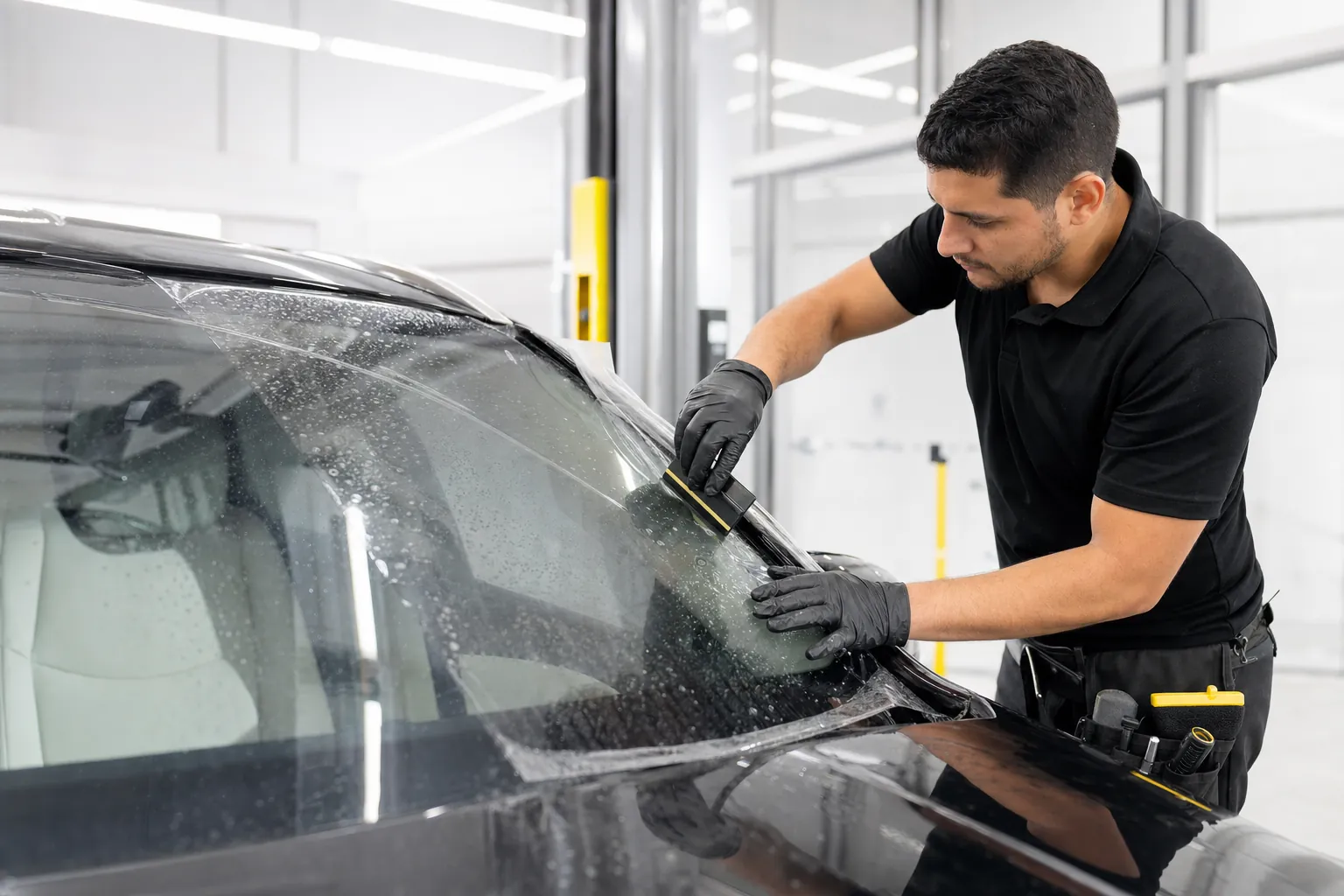
Windshield protection film should be installed by a trained professional, not treated like a weekend accessory project. The windshield is the surface you look through every mile. It is curved, exposed to weather and wipers, and may sit near cameras, sensors, heating elements, or a heads-up display. A clean result depends on more than getting a clear sheet to stick to glass.
The right installation starts before any film is unrolled. The installer needs to understand the vehicle, inspect the windshield, choose a compatible option, prepare the exterior surface, and check the finished view from the driver seat. After that, care and follow-up matter because a windshield protection film is a sacrificial outer layer, not an excuse to ignore the condition of the glass underneath.
This guide walks through what a careful installation should look like. It is meant to help you ask better questions, compare installers fairly, and know when to pause the process. For a broader introduction to the product, start with the site’s windshield protection film overview.
1. Start with the windshield, not the film.
The first job is to determine whether the glass is a good candidate. A protective film is intended for sound, compatible glass. It does not repair an active chip, hold a growing crack together, erase deep scratches, or solve a damaged seal. If there is visible damage or a change in your view through the windshield, the glass needs a qualified assessment before any protection decision.
Be ready to share the vehicle year, make, model, windshield history, and anything that may affect the area around the glass. That includes cameras, sensors, heating elements, a heads-up display, recent windshield service, or wipers that chatter or leave marks. These details do not automatically rule out film. They give the installer enough context to recommend the right next step instead of treating every windshield as identical.
This standard is especially important on newer vehicles. The Auto Glass Safety Council’s ADAS guidance is a useful reminder that windshield work can involve vehicle systems beyond the pane of glass. If repair or replacement is needed, follow the vehicle manufacturer’s and glass professional’s guidance first. Preventive film belongs after that decision, not in place of it.
2. Choose a windshield-specific option.
A windshield is not a painted hood or bumper. You look through it in full sun, rain, darkness, and changing traffic conditions. That means optical clarity, the wiper path, fit around the windshield shape, and the way the surface will be maintained all matter from the first conversation. Do not assume a clear body-panel film is automatically suitable simply because it is transparent.
Ask what film is being proposed and why it fits your vehicle. A useful answer should be specific enough to cover the exterior-glass application, the viewing area, the driving conditions you described, and the care that follows. Impact Defense offers different film options, and the film options page can help frame that conversation before you meet with an installer.
Be skeptical of an answer that skips the vehicle and jumps straight to a universal promise. A good professional may recommend waiting when the windshield is not a strong candidate. That is not a lost opportunity. It is the kind of judgment that protects your view and makes the final result more dependable.
3. Prepare the exterior glass carefully.
Film installation depends on a clean, stable surface. The glass should be inspected for chips, cracks, deep scratches, pitting, residue, and contamination before preparation begins. The installer then cleans the exterior glass using methods appropriate to the film and vehicle, paying close attention to the working area, edges, and places where debris or residue can interfere with a smooth result.
Preparation is not just about making the windshield look clean from across the room. A small particle, old residue, or overlooked surface issue can be much more noticeable when it sits in the driver’s line of sight. That is why a proper installation includes an honest discussion of pre-existing marks before the film is applied. It makes it easier to distinguish the condition of the original glass from anything that develops later.
This is also the time to address wipers. Blades that drag, split, chatter, or carry grit across the windshield can compromise a clear exterior surface. The Journal’s guide to windshield film lifespan explains why wiper condition and ordinary care belong in the same conversation as installation.
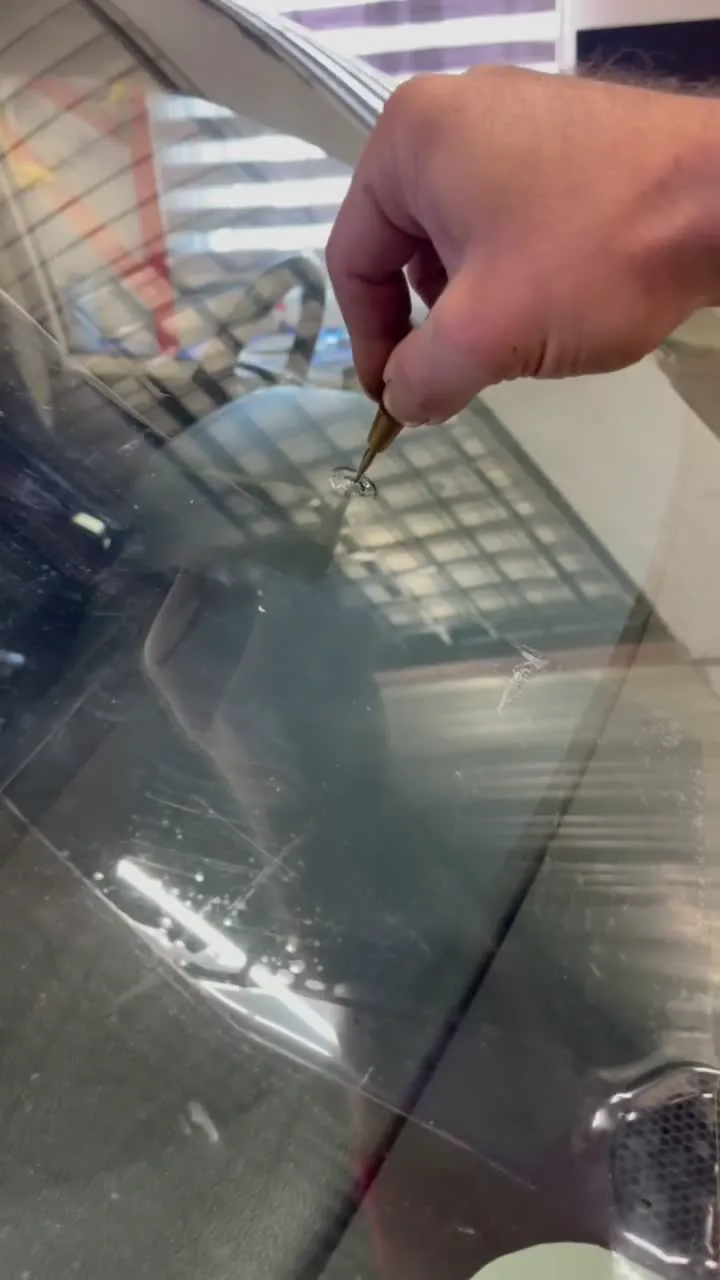
4. Apply and fit the film for the windshield.
Once the glass is ready, the installer positions the film on the exterior windshield and works it into place for the vehicle’s shape. Curved glass creates a different challenge from a flat panel. The material needs to sit smoothly while the technician manages the edges, contours, and the areas where the driver will notice imperfections most readily.
A careful application process is deliberate, not rushed. The goal is a consistent protective surface with attention to the central viewing area and the wiper sweep. Small details can matter on a windshield because the driver sees through the finished work in a wide range of light and weather conditions. The process should protect the experience of driving, not simply change the appearance of the exterior glass.
The installer should be comfortable explaining what they are checking as they work: whether the glass remains suitable, how the film is being fitted, and what needs time to settle before the vehicle is handed back. For a concise overview of the appointment, visit the installation page.
5. Check the view before the appointment ends.
The most important final check happens from the driver seat. Look through the windshield in normal light and take a moment to scan the central viewing area, the edges, and the wiper path. You are not looking for an abstract idea of perfection. You are checking whether the windshield feels clear, predictable, and comfortable for the way you drive.
Bring up a persistent haze, distortion, lifting edge, mark in the viewing area, or a change in wiper behavior while the installer can inspect it with you. Do not dismiss a visibility concern because the film is new. A professional handoff includes time to review the result, explain what is normal during the initial period, and identify the right path if a concern needs follow-up.
On vehicles that have cameras or other windshield-adjacent technology, the installer should also make clear when another vehicle-specific service or inspection may be necessary. The site’s guide to windshield replacement and ADAS calibration offers context for why windshield decisions can involve more than the glass alone.
Compare installation quotes by scope, not just price.
When two installers quote different prices, the difference may have less to do with the film name than with the work surrounding it. One quote may account for a thorough glass inspection, surface preparation, careful fitting, a driver-seat clarity check, and clear aftercare. Another may be less detailed. Neither number tells the whole story until you know what the appointment includes for your vehicle.
Ask each installer the same practical questions. Will they inspect the windshield before starting? What will make them defer the installation? Which film option do they recommend for the vehicle and your driving conditions? How will they inspect the viewing area and wiper path after application? What care instructions and follow-up support come with the work? A professional should be able to answer directly without relying on broad claims.
It also helps to put the scope in writing. Confirm the vehicle, film option, included preparation, price, and the contact point for a post-installation question. The difference between a clear quote and a vague one is not paperwork for its own sake. It gives you a fair way to compare services and makes it easier to hold a useful conversation if the glass condition changes before the appointment.
Keep your expectations realistic while you compare. Windshield protection film can help a sound windshield meet ordinary road exposure with a sacrificial exterior layer. It cannot promise that every chip, crack, or replacement event will be avoided. The guide to what windshield protection film can and cannot do explains those limits in more detail. An installer who explains the limits is giving you better information than one who treats protection as a guarantee.
6. Leave with a care plan, not just a finished windshield.
The installation is the beginning of the ownership routine. Your installer should give you clear guidance for cleaning, wipers, and the conditions that should prompt an inspection. Exterior film meets rain, dust, road spray, washer fluid, heat, cold, and normal surface wear. The best care plan is one you can follow without turning ordinary vehicle maintenance into a complicated project.
In practice, that means using the installer-approved approach, keeping the windshield and wipers clean, avoiding abrasive tools or improvised chemicals on the viewing area, and speaking up when you notice a persistent change. A new line, haze that does not wash away, edge lift, bubble, or unexpected wiper movement deserves a straightforward answer from the shop that installed the film.
If film eventually needs attention, that is part of the sacrificial-layer concept, not a reason to force a quick fix. Read the guide to removing windshield protection film safely before attempting anything yourself. The priority is always the glass underneath and the clarity you depend on.
When professional installation is worth the conversation.
Windshield protection film can be a sensible conversation when you have a sound windshield you value, regular exposure to highway traffic, construction zones, gravel, weather, or long-distance driving, and an interest in adding a replaceable exterior layer before ordinary exposure reaches the original glass. The road debris statistics page provides helpful context for why those driving conditions matter.
It is less sensible to rush toward film when the windshield already needs repair, the vehicle sees little meaningful exposure, or a seller cannot explain the material, fit, care, and follow-up in plain language. The right installer will help you make that distinction. They will not use a broad promise to skip the condition of the glass or the practical details of ownership.
Impact Defense is professionally installed for compatible exterior glass applications. The system is designed to give sound original windshield glass a sacrificial layer against ordinary road exposure while keeping a clear view at the center of the decision. Use the installer finder to share your vehicle and driving conditions with an authorized professional.
A quick installation checklist.
- Confirm the windshield is sound and compatible before film is discussed.
- Share the vehicle details, windshield history, and relevant equipment.
- Ask which windshield-specific film is being proposed and why.
- Make sure preparation includes an inspection of the exterior glass and wipers.
- Ask how the installer will check the central viewing area and wiper path.
- Review the finished windshield from the driver seat before leaving.
- Leave with clear care and follow-up guidance in writing.
The Federal Trade Commission’s auto repair guidance recommends getting a clear written understanding of proposed work and cost. The same principle helps here. A complete explanation gives you a fair way to compare what is included, rather than comparing quotes that may not cover the same inspection, preparation, fit, or aftercare.
Frequently asked questions
Can I install windshield protection film myself?
A windshield is a curved, highly visible driving surface, so professional installation is the responsible choice. The glass condition, vehicle equipment, fit, finish, and final clarity check all deserve trained attention. A do-it-yourself approach can turn a simple film decision into a visibility or surface-care problem.
Is windshield protection film installed inside or outside the glass?
Impact Defense windshield protection film is installed on the exterior surface of compatible windshield glass. That placement allows the sacrificial layer to meet ordinary road exposure and surface wear before the original glass does.
Can windshield protection film go over a chip or crack?
No. A chip, crack, deep scratch, damaged seal, or visibility concern should be assessed before film is considered. Film is intended for sound, compatible glass and is not a substitute for necessary repair or replacement.
How long does windshield protection film installation take?
Timing depends on the vehicle, glass condition, film option, and the work needed to prepare and inspect the windshield. An authorized installer can give a realistic estimate once they know the vehicle and have reviewed the glass.
What should I check after windshield film is installed?
Before leaving, look through the windshield from the driver seat in normal light. Check the central viewing area, edges, and wiper path. Ask the installer about care, follow-up, and what changes should prompt an inspection.
Related posts
 8 min readCan You Put PPF on a Windshield? What to Know FirstCan you put PPF on a windshield? See how windshield-specific film differs from body PPF, its limits, and what to ask before installation.
 12 min readIs Windshield PPF Worth It?Is windshield PPF worth it? Use this practical guide to weigh road exposure, original-glass value, care, installation and the tradeoffs.