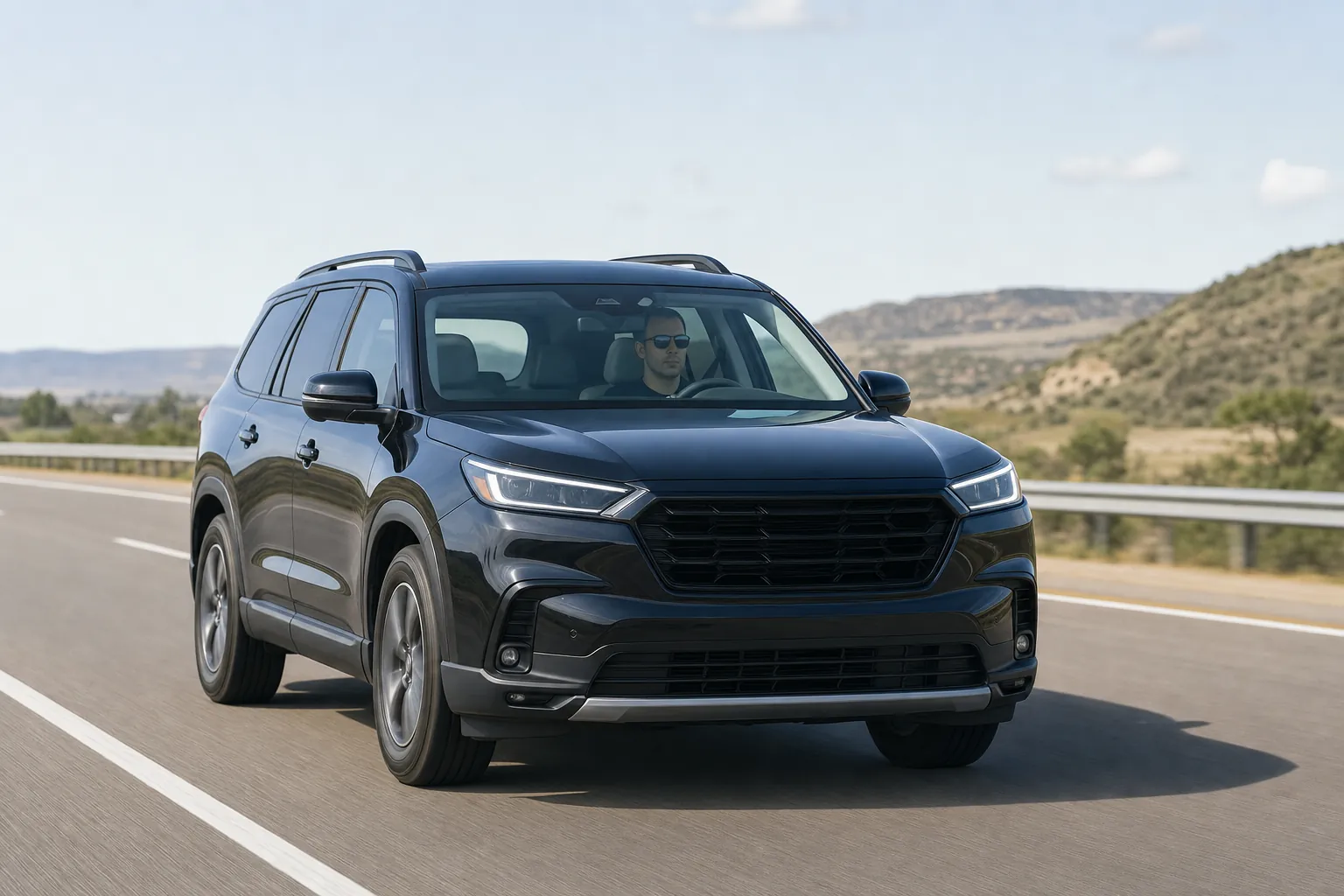
Windshield Protection
Does Windshield Protection Film Work? What It Can and Cannot Do
Does windshield protection film work? Learn where it can help, its limits, and when an installer should assess your glass.
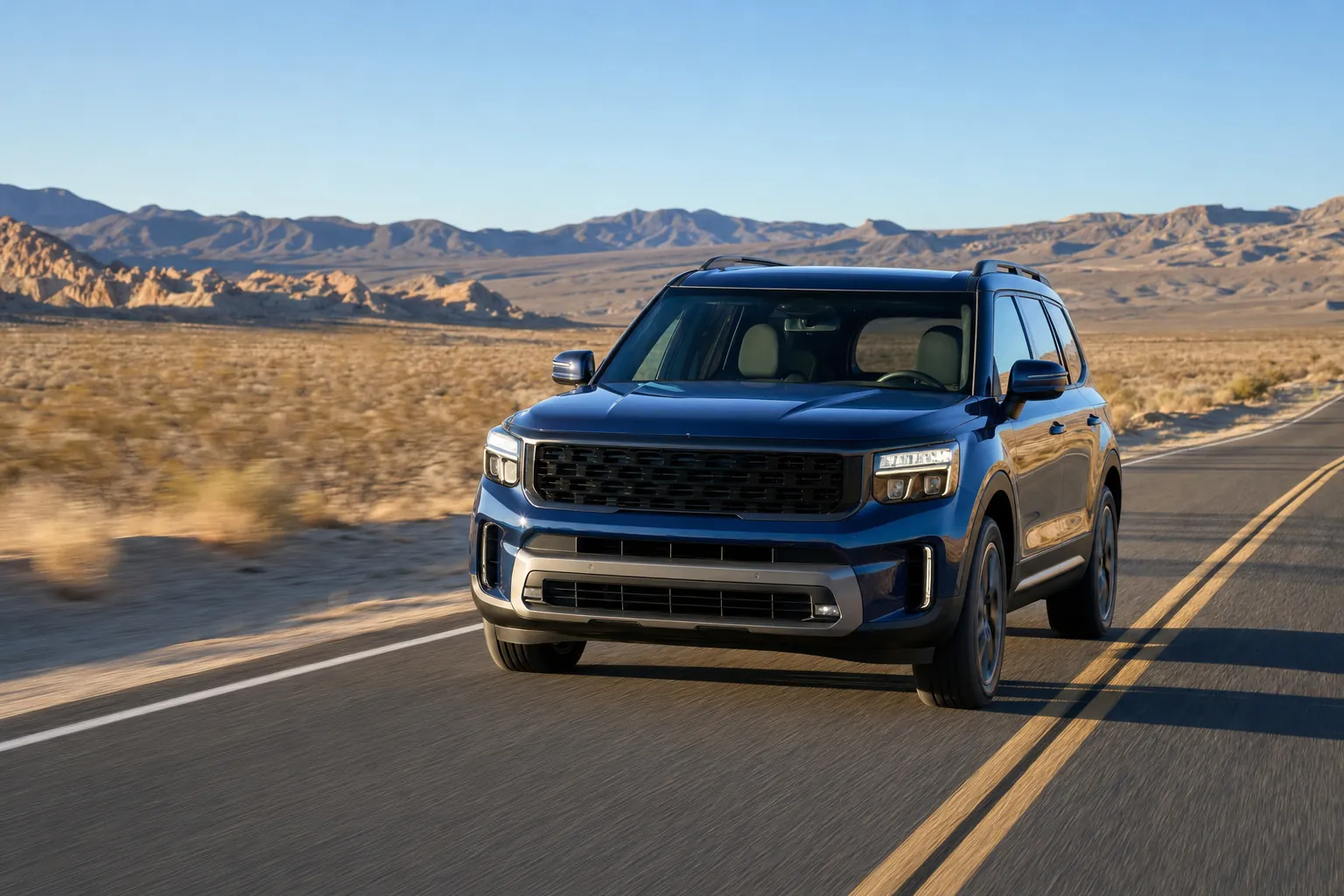
The honest answer is yes, windshield protection film can work when it is used for the job it is designed to do. It adds a replaceable exterior layer over sound windshield glass, where it can take some of the everyday contact from road grit, small debris, weather, and wiper wear before that exposure reaches the glass itself. That is useful, but it is not the same as a promise that a windshield will never chip, crack, or need replacement.
That distinction matters because a windshield is not just another exterior panel. It is the driver's primary viewing surface. On many newer vehicles, it also sits near cameras and other driver-assistance equipment. A good decision therefore starts with three questions: Is the glass in good condition today? Does the vehicle see enough road exposure to make prevention worthwhile? And can the film, installer, and care routine keep visibility at the center of the experience?
This guide explains what it means for windshield protection film to work, where it can help, where it cannot, and how to decide whether it belongs on your vehicle. The goal is a clearer decision, not a blanket recommendation.
What does it mean for windshield protection film to work?
A windshield protection film is designed to be a sacrificial surface. Instead of letting every bit of ordinary road exposure land directly on the outer glass, the film is intended to receive that first contact. Depending on the film, the impact, and the condition of the glass, that may mean less visible surface wear or a smaller chance that a minor event becomes a repair conversation.
The practical benefit is cumulative. A windshield can face thousands of highway miles, dust from construction zones, grit thrown by traffic, weather, washer fluid, and repeated wiper passes. No single mile tells the whole story. Drivers who spend long stretches on fast roads or rural routes understand the pattern: a windshield can look excellent for a long time, then one small impact changes the ownership experience in a second.
Film does not change the physics of a hard impact. A large rock, a sharp object, a strike at the wrong angle, an already weakened area of glass, or a spreading crack can still lead to damage. The useful claim is narrower and more credible: a purpose-built film may help take ordinary exposure first, giving a driver another layer between the road and sound original glass.
That is also why product choice matters. A windshield lives directly in the line of sight, unlike a hood or bumper. The material needs to be appropriate for windshield use, and the installation needs to respect optical clarity, the wiper path, edge finish, and the specific shape of the vehicle's glass. Treating any transparent body-panel film as interchangeable is a bad shortcut.

Road exposure is where the case becomes practical.
Not every vehicle faces the same windshield risk. A car used for short, low-speed city errands has a different exposure profile from a daily commuter that spends an hour on the interstate, a truck that runs behind traffic all day, or a touring vehicle that regularly crosses construction areas and rural highways. The film does not become stronger because a driver owns a certain badge. It becomes more relevant when the miles and road conditions make small debris a recurring concern.
Look at the routes you actually drive. Loose gravel on shoulders, roadwork, winter treatment, traffic near heavy trucks, unpaved parking areas, and long highway stretches all add opportunities for debris to meet the windshield. One difficult route each week can matter more than a vehicle's average monthly mileage. The right starting point is not fear of a future chip. It is an honest picture of what the glass sees now.
There is value in preserving a windshield that is already clear and sound. Original glass can be important to drivers who prefer to avoid the inconvenience of a replacement appointment and who want to keep the vehicle as it is while that remains safe. Modern windshields may also be closely connected to camera-based features. The National Highway Traffic Safety Administration notes that many driver-assistance features rely on cameras and sensors, which is one more reason to take any glass service decision seriously and follow the vehicle maker's guidance.
Protection is not an excuse to ignore a needed repair. If the glass has an active chip, a growing crack, deep scratching, edge damage, or a damaged seal, get that assessed first. A film belongs on glass that is a good candidate for preservation, not glass that already needs a solution.
What windshield protection film cannot do.
The fastest way to evaluate any protection claim is to ask what happens when the conditions get worse. Film cannot erase a serious impact. It cannot reliably prevent every rock chip. It cannot make compromised glass healthy, and it cannot replace a professional recommendation to repair or replace a windshield. A driver should be wary of any answer that skips those limits.
It also cannot solve maintenance problems on its own. Old wiper blades can drag grit across an exterior surface. Abrasive pads, metal tools, and harsh cleaning habits can create avoidable wear. A film can be an added layer of protection, but it is not a license to treat the windshield roughly. The best outcome comes from pairing the film with basic care that protects clarity.
There is a cost and ownership tradeoff as well. The film is an added product that needs a professional installation and, eventually, inspection or replacement. That can be a reasonable exchange for a driver who values original glass and faces regular exposure. It is less compelling for someone with limited road risk, damaged glass, or no interest in maintaining another exterior surface.
Good guidance should leave room for the answer to be no. When the glass condition or the driving pattern does not support the investment, waiting is often the more responsible call. A qualified installer should be comfortable explaining that rather than treating every windshield as a sale.
Clarity is the standard that matters most.
A windshield-specific film has a more demanding job than paint protection film on a body panel. The driver looks through it for every mile, often in changing light, rain, and traffic. Clarity is not a bonus feature. It is the condition that makes the rest of the conversation worth having.
Before booking, ask whether the film is intended for windshield use and how the installer checks the glass before starting. The conversation should cover the central viewing area, the fit along the edges, the wiper sweep, existing imperfections, and anything unusual about the windshield. That includes aftermarket glass, a heads-up display, heating elements, cameras, or sensors near the glass.
After installation, the driver should still use common sense. Look through the windshield in normal daylight from the driver's seat. Notice the center of the view, the edges, and the wiper path. If haze, distortion, a lifting edge, a persistent mark, or a change in wiper movement appears, ask the installer to inspect it. Do not attack the area with a scraper, polishing compound, or a product chosen at random from a garage shelf.
Visibility also includes the small habits that keep a windshield pleasant to live with. Keep washer fluid topped up. Do not run dry wipers over dust and grit when it can be avoided. Replace blades when they streak, chatter, drag, or leave material behind. These are simple maintenance steps, but they protect the viewing experience that made the film worth considering in the first place.

How long can the protection last?
There is no single honest mileage number for every film and every vehicle. Service life depends on the exact product, the quality of the installation, climate, sun exposure, road conditions, wiper condition, cleaning habits, and how closely the film is inspected when something changes. A vehicle that spends years in intense heat, rough weather, or high-mileage highway use has a different life than one used lightly and cared for carefully.
That is why a good installer conversation should go beyond the initial appointment. Ask what normal care looks like, what signs merit an inspection, what the warranty covers, and who handles concerns after the work is complete. Impact Defense's Lifetime Limited Warranty and qualifying No Fault film-replacement credit set out the applicable terms for the film. Those terms do not promise that every source of windshield damage is covered, so reading the conditions is part of making an informed decision.
Think of the film as a wear item with a job to do. If it has taken the kind of exposure that would otherwise have landed directly on the glass, inspection or replacement may be the appropriate next step. That is not a failure. It is the basic idea of a sacrificial layer doing its work.
Vehicle technology deserves a deliberate conversation.
Many modern vehicles put cameras, sensors, heating elements, antenna systems, or heads-up display hardware near the windshield. The exact equipment and service requirements vary by vehicle, so there is no universal answer that fits every car. The National Highway Traffic Safety Administration's driver-assistance overview is a useful reminder that cameras and sensors are part of systems drivers rely on. What matters here is that the installer knows what is on your vehicle before making recommendations.
Tell the installer about prior windshield repair, replacement glass, cameras, unusual features, and anything that affects the way the glass is used. If a vehicle ever needs windshield service, follow the manufacturer and qualified service provider's guidance for that work. Protecting good original glass can be appealing, but it should never become a reason to delay needed maintenance or ignore a safety recommendation.
For drivers trying to preserve a windshield on a newer daily vehicle, this is often the real value conversation. Film cannot promise to eliminate every future glass event. It can be part of an ownership plan that aims to reduce ordinary exposure while keeping the decision about repair, replacement, and vehicle technology deliberate when it matters.

Installation quality is part of whether the film works.
On a highly visible surface, installation is not a background detail. The glass should be inspected first, prepared carefully, and reviewed after the film is applied. A strong installer asks about the vehicle, identifies issues that should be resolved before installation, and explains what the owner should expect once the vehicle leaves the shop.
Ask what happens if the windshield has a chip, deep scratch, or other defect. Ask how the film will be fitted around the glass and what care guidance applies in the first days after installation. Ask who will inspect the work if you notice a concern. Clear, specific answers are a better sign than generic reassurance.
It is also reasonable to ask the shop to walk through a final inspection with you. From the driver's seat, review the central viewing area, edges, and wiper path in normal light. The point is not to search for imaginary flaws. It is to make sure the installer and owner share the same standard: a clear, safe, predictable view through the windshield.
The windshield protection film installation guide explains the broader process, while the installer finder gives drivers a direct route to an authorized professional. A vehicle-specific assessment is always more useful than a generic promise.
How to decide whether it makes sense for you.
Windshield protection film is most compelling when several facts line up. The glass is sound. The vehicle sees real highway, rural, construction-zone, or debris-prone exposure. The owner values keeping original glass in service. And the owner is willing to maintain wiper blades, clean the windshield thoughtfully, and contact an installer if something changes.
It may be less compelling when the windshield already needs repair, the vehicle sees limited road risk, or the extra care feels like a burden. That is not a bad outcome. It is a clearer use of the budget. Protection should fit the vehicle and the owner, not be forced because the category sounds reassuring.
A practical checklist is simple:
- Is the windshield free of active damage and worth preserving?
- Do your normal routes include regular debris exposure?
- Do you expect to keep the vehicle long enough for that exposure to add up?
- Will you keep wipers and cleaning habits in good shape?
- Can an experienced installer explain the film's limits, fit, care, and warranty in plain language?
If most answers are yes, a conversation about windshield protection film is reasonable. If several answers are no, waiting may be smarter. The right decision is the one that protects a clear, safe view without asking the product to do more than it can.
Get the most out of the protection you choose.
Once the film is installed, the goal is not to think about it every day. It is to keep the windshield easy to live with. Start by using the care guidance from the installer instead of guessing. The right cleaning approach is usually simple: rinse away loose grit when possible, use a clean soft towel, and avoid reaching for blades, abrasive pads, or harsh compounds when a mark does not come off immediately.
Wiper blades deserve a routine check because they cross the same visible area over and over. Replace them when they chatter, streak, skip, or leave debris behind. Do not wait until they are obviously failing in heavy rain. A worn blade can make any windshield less pleasant to see through, whether the glass is protected or not. It is a small maintenance item with an outsized effect on clarity.
Pay attention after the conditions that put a windshield under the most stress: a long highway trip, roadwork, heavy weather, a car wash, or a change in wiper behavior. You are not looking for trouble. You are simply noticing whether the view and the surface still feel normal. A quick question to an installer about a new haze, edge line, or persistent mark is far better than a DIY attempt to scrape or polish the area.
This is also the right mindset after an impact. If something strikes the windshield, assess the glass first. A film may have taken some of the encounter, but the driver should not assume the event is harmless just because a protective layer is present. Check visibility, look for a chip or crack, and seek qualified guidance when there is any doubt. Protection is most useful when it supports sound decisions, not when it creates false confidence.
When it is smart to wait.
There are situations where the right next step is not film. If you already know the windshield needs repair or replacement, deal with that first. If you are about to sell the vehicle, have very limited road exposure, or do not want another exterior surface to maintain, the value may not be there. Waiting is not missing out. It is matching the purchase to the actual ownership need.
The same goes for unclear answers. If a shop cannot explain the product's intended use, the installation process, care expectations, warranty terms, and fit for your vehicle, keep looking. A windshield is too important to treat like a casual add-on. The right professional should make the tradeoffs easier to understand, not bury them under broad promises.
When conditions change, the decision can change too. A driver who starts a long highway commute, buys a newer vehicle with a clean windshield, or begins regular travel through debris-prone roads may have a stronger reason to consider protection later. There is no need to force the timing. The best time is when the glass is sound and the use case is real.
Where Impact Defense fits.
Impact Defense is designed for drivers who want an exterior layer between their original windshield glass and everyday road exposure while keeping clarity at the center of the decision. The system is professionally installed on sound glass, where it is intended to take the first contact from ordinary debris and surface wear.
Drivers can review the available Impact Defense film options, including clear and heat-rejecting choices, then speak with an authorized installer about the vehicle, glass condition, and local considerations. For more context on roads where debris is a recurring problem, see the guide to windshield protection film for rocks.
The useful promise is straightforward: help protect sound original glass from everyday exposure while respecting the limits of the road, the vehicle, and the driver's view ahead.
Frequently asked questions
Does windshield protection film really work?
A windshield-specific film can work as an exterior sacrificial layer for sound glass. It may help absorb the first contact from ordinary road debris and surface wear, but it cannot guarantee that every impact, chip, crack, or replacement event will be avoided.
Will windshield protection film stop rock chips?
It can help reduce the effect of some everyday small impacts, but a rock chip depends on the size, speed, angle, and condition of the glass. A large or sharp impact can still damage glass, and active chips or cracks should be assessed by a glass professional.
Does windshield protection film affect visibility?
Visibility has to come first. The film should be made for windshield use, installed carefully on compatible glass, and maintained with clean wipers and appropriate cleaning methods. Ask an installer to inspect any haze, distortion, lifting edge, or change in wiper movement.
Can I put regular paint protection film on a windshield?
Do not assume a film intended for a painted panel is appropriate for a windshield. The windshield is directly in the driver’s viewing area and has different optical, wiper, and fit requirements. Discuss windshield-specific options with an experienced installer.
Is windshield protection film a replacement for glass repair?
No. Protection film is intended for sound glass. A growing crack, active chip, deep scratch, damaged seal, or other safety concern should be addressed before considering film.
How do I know whether my vehicle is a good candidate?
Start with the condition of the glass, the miles and roads you drive, the value you place on keeping the original windshield, and your willingness to maintain wipers and cleaning habits. An authorized installer can then assess the vehicle and the available film options.
Related posts
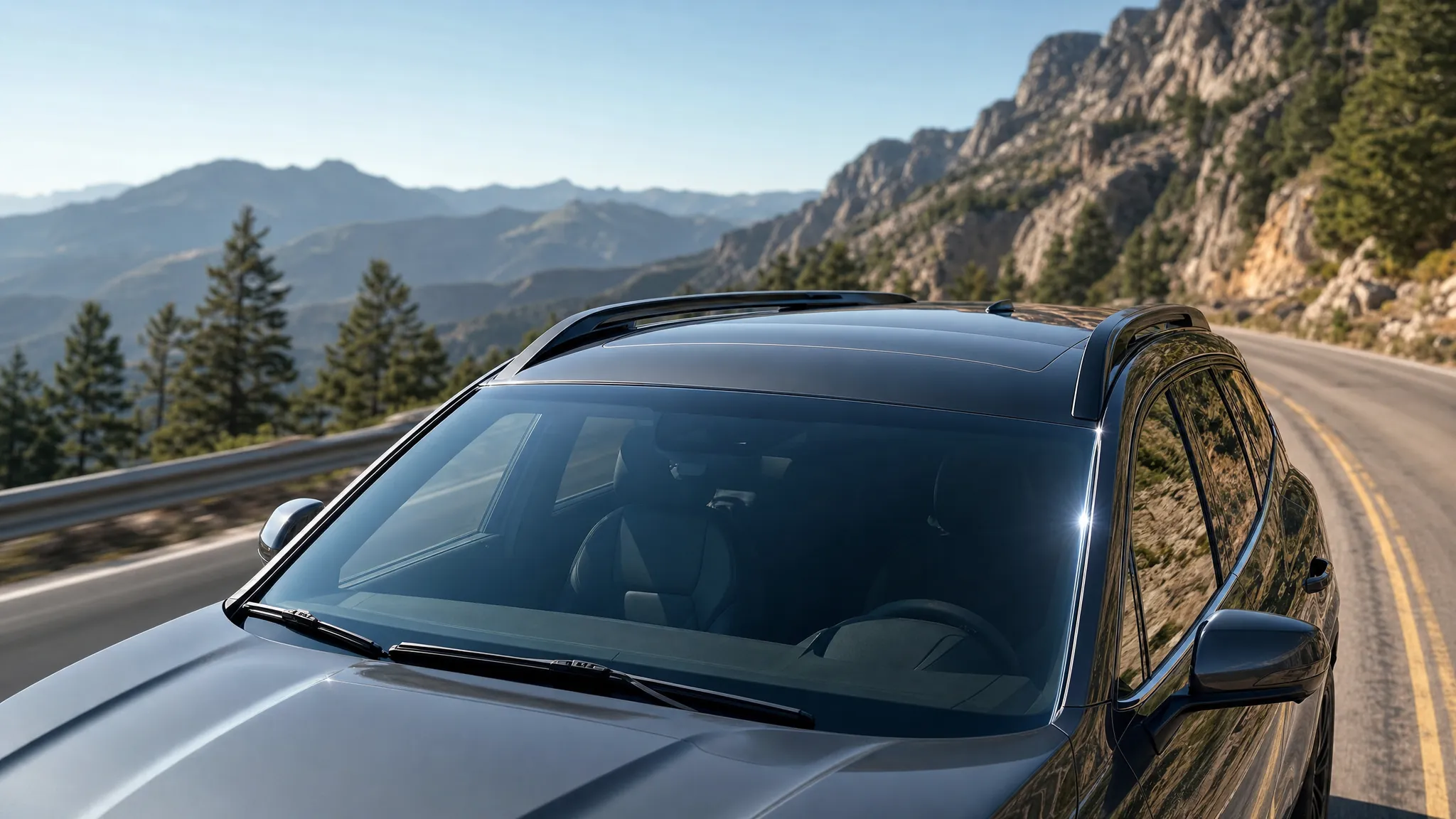 8 min readWhat Is Windshield PPF? Can You Put It on a Windshield?What is windshield PPF? Learn how windshield-specific film differs from body PPF, when it may help, and what to ask before installation.
 12 min readIs Windshield PPF Worth It? When It Makes SenseIs windshield PPF worth it? See when road exposure and original-glass value make it a sensible choice, and when it may not.