Windshield Protection
How to Remove Windshield Protection Film Safely
How to remove windshield protection film safely, what to avoid, and when a professional inspection is the smarter choice.
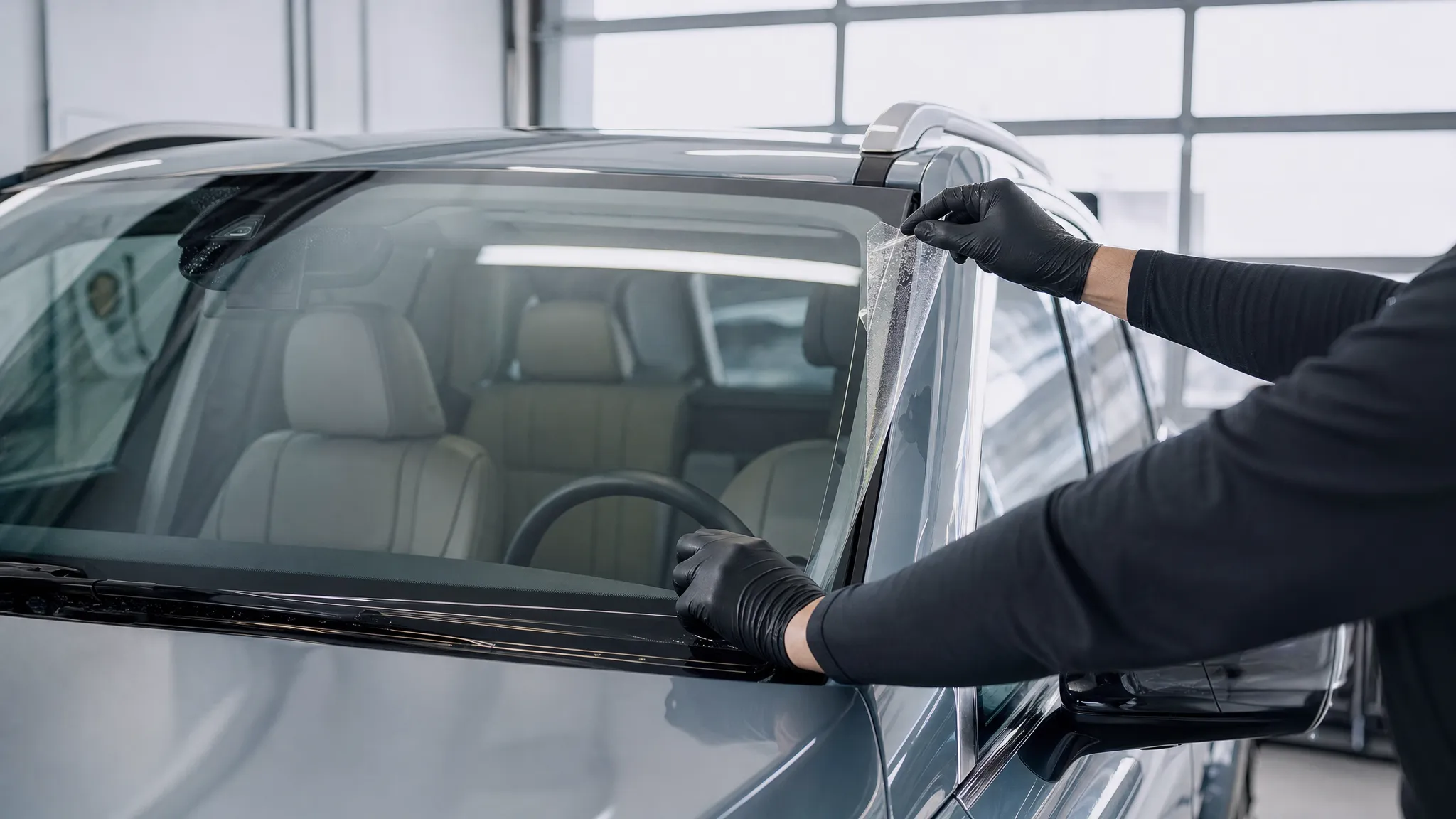
Windshield protection film is meant to be a replaceable outer layer, not a permanent part of the glass. When it has reached the end of its useful life, has a concern that needs inspection, or no longer suits the vehicle, removal can be the right next step. The important part is treating the windshield as the highly visible driving surface it is, rather than as a piece of trim that can be rushed.
A clean removal starts with an honest look at the glass underneath. Existing chips, cracks, deep scratches, pitting, poor wiper condition, or a change in visibility all matter more than finishing the job quickly. A film can be replaced. A windshield may be tied to the driver’s view, weather sealing, cameras, and other vehicle equipment.
This guide explains when removal makes sense, what a careful service should include, and what to avoid. It is not a shortcut for covering up a glass problem. When there is doubt about the condition of the windshield, a qualified glass professional should assess the vehicle before any film work continues.
Start by confirming what is on the windshield.
Not every transparent layer on a windshield is the same product. A windshield protection film is installed on the exterior glass. It is different from a factory windshield treatment, an interior tint film, residue from an old product, or the windshield itself beginning to show wear. Before asking for removal, confirm what was installed, when it was installed, and whether the shop that applied it has care or service guidance for that film.
It also helps to separate a film concern from a glass concern. A mark that appears to sit on the surface could be dirt, wiper wear, residue, a problem with the film, or damage in the glass. Treating all of those the same can lead to the wrong work. The site’s guide to windshield protection film installation explains why glass condition and compatibility come before film service.
Tell the installer about anything unusual: a recent chip, a replacement windshield, camera or sensor equipment, heating elements, a heads-up display, or a wiper that has been dragging or chattering. Those details do not automatically prevent removal. They simply help the person inspecting the vehicle understand what deserves extra care.

Know when removal is the sensible choice.
Film removal is usually a maintenance decision, not an emergency. It may make sense when the film has completed its service life, when a professional finds a concern that cannot be addressed through normal care, or when the owner wants to change the film option after discussing the vehicle with an installer. The decision should be based on clarity, condition, and the vehicle’s actual use.
Do not wait on a visibility or glass-safety concern simply because film is installed. A growing crack, active chip, serious distortion, damaged seal, or a change in the driver’s view needs a proper assessment. Protective film is intended for compatible, sound glass. It is not a way to postpone repair or replacement that the windshield genuinely needs.
It can also be reasonable to remove film before selling a vehicle, after a change in driving needs, or before making another windshield decision. There is no prize for keeping a worn film in place. The better outcome is a windshield that remains clear, predictable, and easy to evaluate.
Schedule the service when you can give the final check proper attention. A rushed handoff in poor light makes it harder to notice a streak, residue, or glass issue that deserves a conversation before you drive away. A few minutes spent looking through the windshield from the normal driving position is a practical part of protecting a clear view.
Avoid the shortcuts that create bigger problems.
The windshield is not the place to experiment with a hard scraper, aggressive polishing compound, or whatever solvent happens to be in the garage. A small residue problem can quickly become a scratch, haze, damaged trim, or a distracting mark in the driver’s field of view. If a film edge does not lift cleanly, forcing it is a reason to stop, not a reason to use more pressure.
Be equally cautious with heat. A controlled approach may be part of a professional service, but uncontrolled heat around glass, seals, cameras, or nearby trim is not a casual weekend project. The windshield can have vehicle-specific features that are not obvious from the outside. A service technician should be comfortable identifying those considerations before starting.
Skip any method that relies on metal blades across the viewing area. Even when a windshield seems tough, a scratch in the wrong place can catch light, show up in rain, and remain noticeable long after the film is gone. A careful removal is about preserving the surface beneath the film, not merely getting the film off.
What a careful professional removal includes.
A good service begins with an inspection. The installer checks the condition of the film, the glass, the wiper path, edges, and any obvious marks before work begins. That first look gives both the driver and the technician a shared understanding of what was already present. It also makes it easier to decide when a glass specialist should be involved instead.
The film is then released in a controlled way for the specific windshield and material. The goal is to remove the film evenly without turning the process into a tug-of-war at one corner. Any remaining residue should be handled with surface-appropriate products and soft materials, followed by a careful cleaning rather than a rushed wipe-down.
After removal, the windshield deserves another inspection from both outside and the driver’s seat. Look for a clear central viewing area, smooth wiper travel, clean edges, and any glass issue that was hidden by dirt or surface wear. This is also the time to ask about the next step: leave the glass as it is, correct a glass concern, or consider a new protective film once the windshield is confirmed as a suitable candidate.
The Impact Defense film options give drivers a starting point for that conversation. A trained installer can explain which available option fits the vehicle, what the care expectations are, and whether reapplication is appropriate. The answer should be specific to the windshield, not a generic promise that every vehicle needs the same treatment.
Questions to ask before booking removal.
The best first question is simple: can you inspect the windshield and the film before recommending removal? A responsible answer should not start with a promise that every film comes off the same way. The technician should want to know the vehicle, the condition of the glass, the age of the film if known, and what has changed in the driver’s view.
Ask what happens if the inspection finds a chip, crack, deep scratch, or a condition that needs a glass specialist. A clear answer protects you from treating film service as a substitute for glass work. It also shows whether the shop is prepared to put visibility and vehicle condition ahead of completing a sale.
Ask how the windshield will be checked after the film is removed. The service should include more than standing back and confirming that the film is gone. A useful final review considers the central viewing area, the film edges, the path of the wipers, and any concern that becomes visible on the bare glass. Sit in the driver’s seat before leaving and look through the windshield in ordinary light.
Finally, ask what care is appropriate after the service and who to call if something does not look right. An installer should be able to give a plain answer about cleaning, wiper condition, follow-up, and whether a new film should be considered. Thewritten warranty terms can also help set expectations for coverage when you are deciding how to handle a film concern.

Check the wipers and the glass before deciding the job is done.
Film removal is a good time to pay attention to the parts of the windshield that create everyday wear. Wiper blades that drag, chatter, split, or leave streaks can make a clean windshield look worse than it is. Replace worn blades and keep the surface free of gritty buildup, especially before a long drive or wet-weather trip.
Use the care guidance from the installer for the glass or any new film. Gentle cleaning and clean microfiber towels are a better starting point than abrasive pads or improvised tools. If you notice a new line, haze, edge concern, or change in wiper movement after service, contact the installer who performed the work. A quick inspection is more useful than trying several products in the hope that one solves it.
Do not confuse a clean surface with a complete glass assessment. If the windshield has a chip, crack, deep scratch, or a view that does not feel right from the driver’s seat, take that concern seriously. The decision to repair or replace glass should follow appropriate vehicle and glass guidance, not a desire to avoid inconvenience.
Removal is different from windshield replacement.
Taking off exterior protection film does not mean the windshield is being removed from the vehicle. That distinction matters. Film service may be straightforward when the glass is sound, while windshield replacement is a separate job that can involve the vehicle’s fit, seals, cameras, and calibration requirements.
If a glass problem is discovered, use the site’s guide to windshield replacement and camera calibration to understand why the next decision may require more than a new pane of glass. That does not mean a needed replacement should be delayed. It means a driver should get clear advice about the proper repair path for the exact vehicle.
For a windshield that is still in good condition, removal can simply be a clean reset. The glass can be inspected, the wipers can be refreshed, and the owner can decide whether another protective layer is worth considering based on real road exposure, vehicle priorities, and care expectations.

When it makes sense to consider new protection.
Reapplying film should come after the windshield is found to be clean, sound, and compatible. Drivers who spend regular time on highways, near construction traffic, on rural roads, or behind commercial vehicles may have a strong reason to discuss another sacrificial surface. Drivers with low road exposure or glass that needs attention may reach a different conclusion. Both can be sensible outcomes.
The point is not to turn film replacement into an automatic sale. A windshield-specific film is most useful when it fits the vehicle, the driver values preserving sound original glass, and the owner is comfortable with the recommended care. The guide towindshield protection for road debris offers a practical view of where an exterior layer can help and where it has limits.
Impact Defense is professionally installed for compatible windshield glass. To talk through removal, inspection, or new film options for a specific vehicle, use theinstaller finder. The right conversation begins with the condition of the windshield and the way the vehicle is actually driven.
Frequently asked questions
Can windshield protection film be removed?
Yes. A compatible exterior windshield protection film can be removed when it reaches the end of its useful life or when an inspection shows that replacement is the better option. Because the work takes place on the driver’s viewing surface, it is best handled by an experienced professional who can check the glass and finish the surface cleanly.
Can I remove windshield protection film myself?
It is possible to start lifting a film edge, but that does not make a do-it-yourself removal the right choice. A windshield is a large, curved viewing surface that may also sit near cameras, sensors, heating elements, or a heads-up display area. If the film is not releasing cleanly, stop and have a qualified installer assess it rather than forcing the process.
Will removal damage the windshield?
A careful removal should begin with an inspection of the glass and film. The goal is to remove the sacrificial film without turning a worn wiper, hidden chip, residue issue, or existing scratch into a larger concern. Glass condition comes first, so any crack, chip, distortion, or visibility problem should be assessed before and after the film is removed.
Should I use a razor blade to remove windshield film?
Do not begin by scraping the windshield with a blade or other hard tool. The risk is not worth it on a surface you look through every day. A professional can choose the appropriate approach for the film, adhesive, glass condition, and vehicle instead of turning residue cleanup into a scratch or visibility problem.
Can I install new windshield protection film after removal?
Possibly, once the glass has been inspected and prepared. A new film should only be considered after the windshield is found to be sound, clear, and compatible. An authorized installer can help decide whether reapplication makes sense for the vehicle, driving conditions, and existing glass.
Related posts
 8 min readWhat Is Windshield PPF? Can You Put It on a Windshield?What is windshield PPF? Learn how windshield-specific film differs from body PPF, when it may help, and what to ask before installation.
 12 min readIs Windshield PPF Worth It? When It Makes SenseIs windshield PPF worth it? See when road exposure and original-glass value make it a sensible choice, and when it may not.