Windshield Protection
What Is Windshield PPF? Can You Put It on a Windshield?
What is windshield PPF? Learn how windshield-specific film differs from body PPF, when it may help, and what to ask before installation.
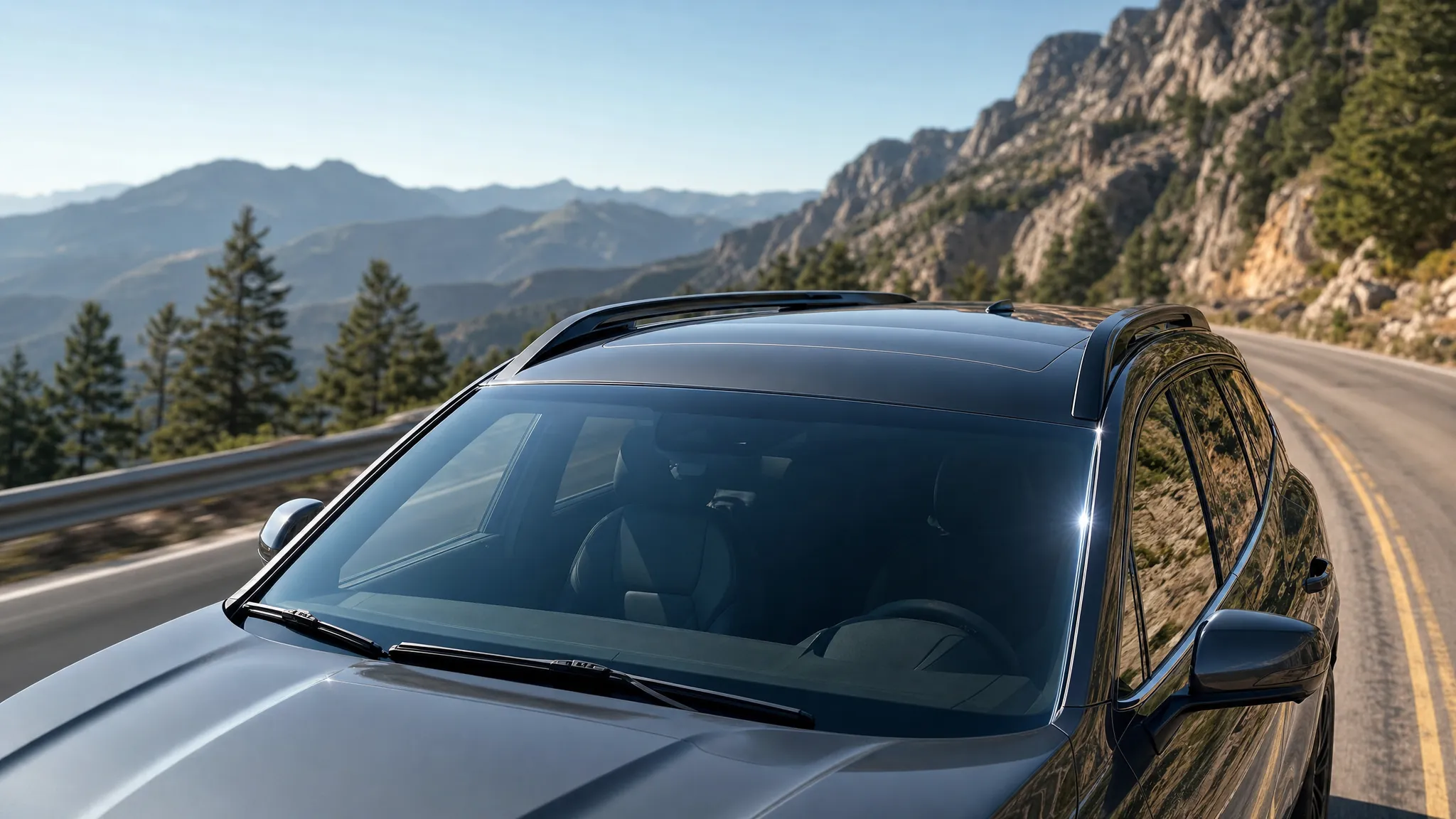
Can you put PPF on a windshield?
Yes, a purpose-built windshield protection film can be installed on compatible windshield glass. It is not the same decision as putting paint protection film on a bumper or hood. Because the windshield sits directly in the driver’s line of sight, the film, installation and care routine all need to put optical clarity first.
The practical question is whether a windshield-specific film suits your vehicle, its glass condition and the miles you drive. An authorized installer can inspect the glass, explain the available options and help you decide whether protection makes sense before any work begins.
Windshield PPF is a transparent protective film installed on the outside of a vehicle windshield. You may also hear it called windshield protection film, windshield film, or WPF. The idea is straightforward: add a replaceable surface between the glass and the small debris, weather, and wiper wear a windshield sees every day.
That simple description is useful, but it leaves out the decision drivers actually need to make. A windshield is not a painted bumper. It is the surface you rely on for a clear view, and it may sit in front of cameras and other vehicle technology. The right question is not “can a film go on the windshield?” It is whether the film, the installation, and the care plan make sense for your vehicle and the way you drive.
Windshield PPF is purpose-built for a clear viewing surface.
Paint protection film earned its name on painted panels, where the job is to absorb light scuffs and road debris before they damage the finish. A windshield film has a harder assignment. It must sit directly in the driver’s line of sight, stay optically clean, work around the sweep of wiper blades, and fit the shape of a large piece of curved glass.
That is why it makes sense to ask for a windshield-specific solution rather than assuming any clear film belongs on glass. Products sold for this use are designed around windshield protection and optical performance. Explore Impact Defense windshield protection film to understand the available options before speaking with an installer.
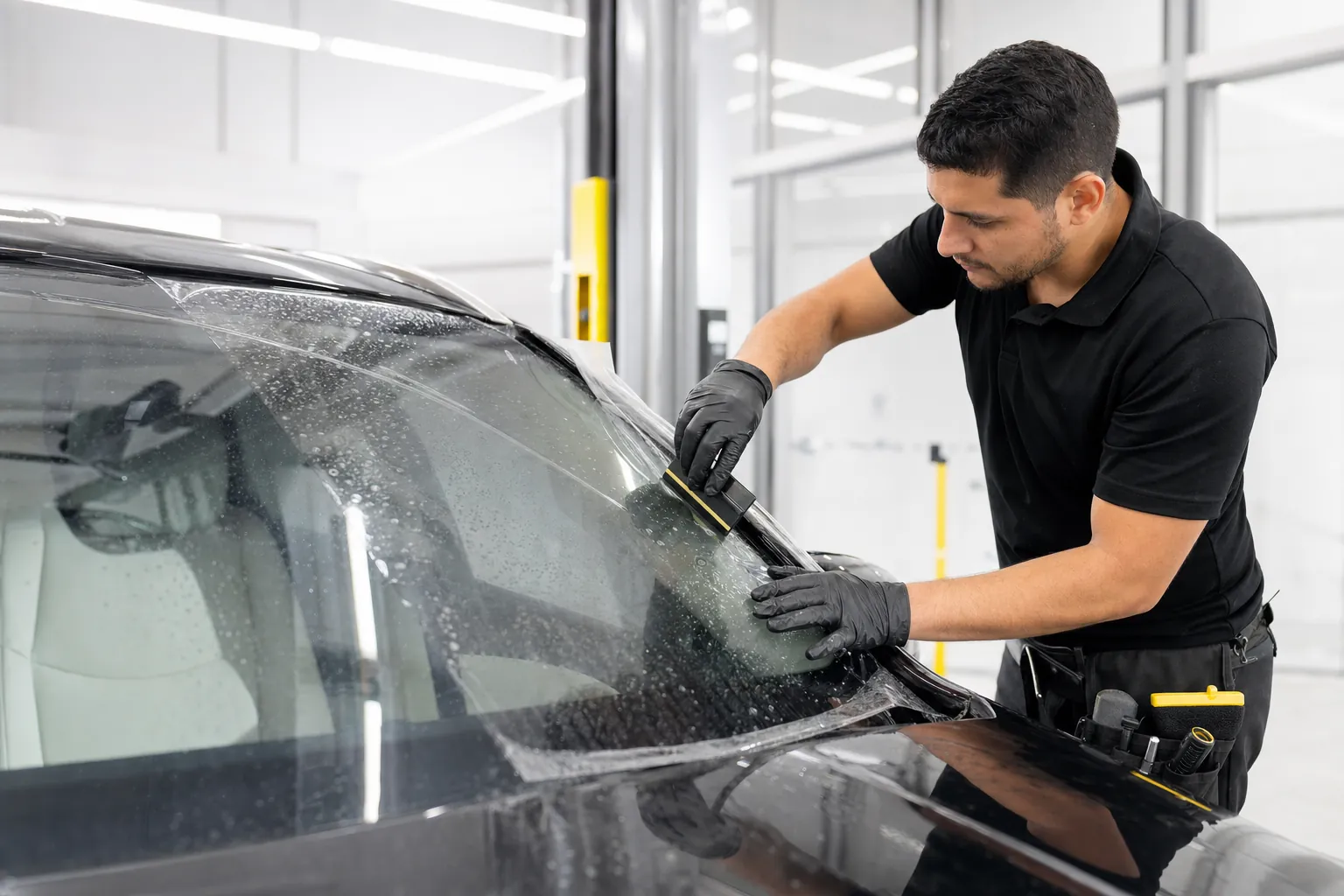
Even with the right material, fit matters. The glass must be prepared carefully, the film must be positioned cleanly, and the edges should be checked before the vehicle leaves. A film is only as good as the installation it receives.
Why drivers look into windshield protection film.
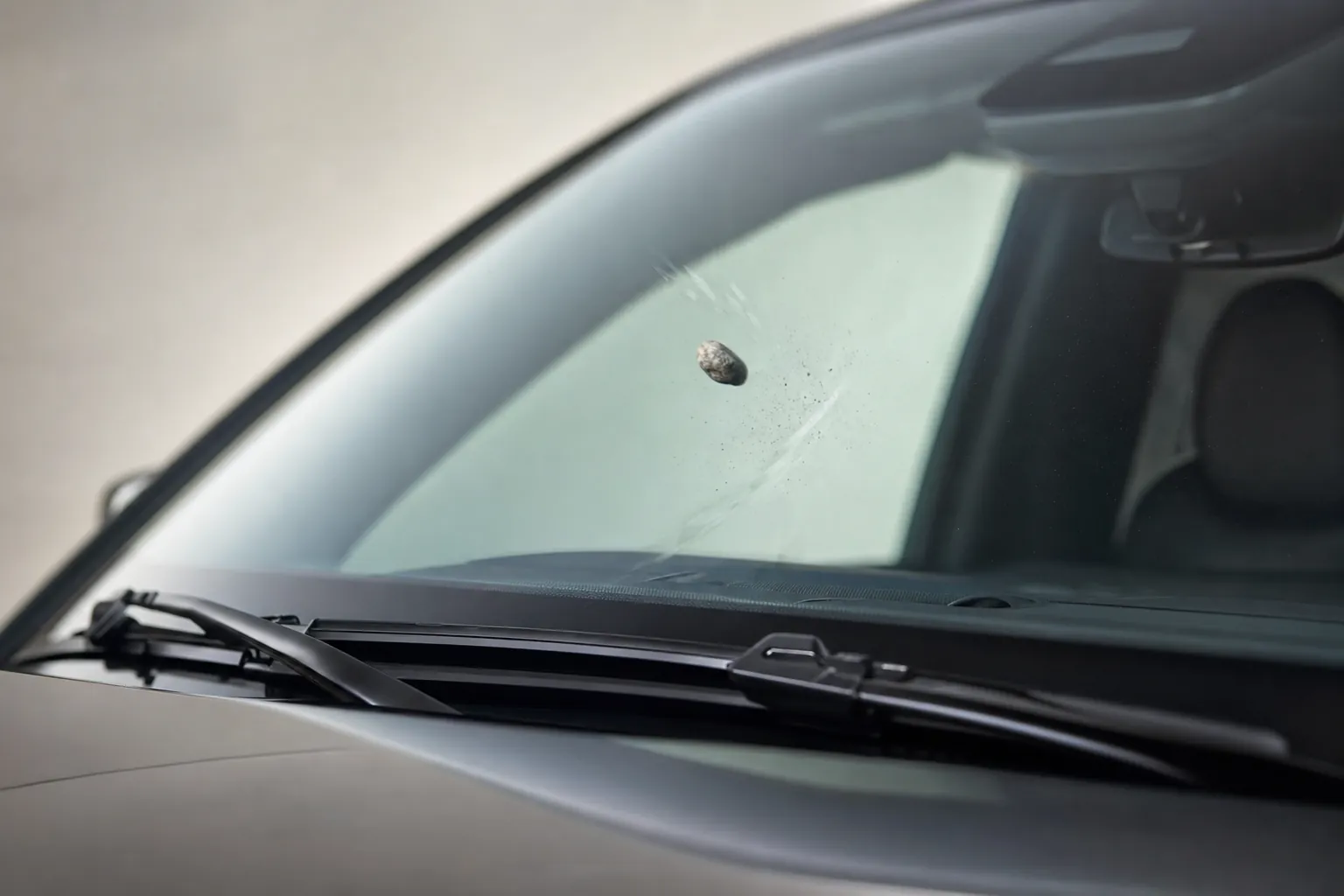
Most people do not think about windshield protection until they have dealt with a chip, a crack, or an unexpected replacement. Highway commuting, gravel shoulders, construction zones, winter road treatment, and following traffic all increase the amount of debris a windshield encounters. A protective film is meant to take that everyday exposure first.
The benefit is not a promise that glass will never break. It is a practical attempt to reduce the frequency and severity of the small impacts that can turn a clean windshield into a repair or replacement decision. That can be especially relevant when the original glass is otherwise in excellent condition.
Modern windshields can also be tied to cameras and driver-assistance features. If glass replacement is needed, the work can involve more than fitting a new pane. Windshield replacement guidance from Safelite notes that vehicles with advanced driver-assistance systems may need camera calibration after replacement. The exact requirements depend on the vehicle, but preserving sound original glass can help avoid an avoidable disruption.
What windshield PPF can do, and what it cannot.
A good explanation of windshield PPF should include its limits. It is a sacrificial layer, not armor. It can help take the first contact from ordinary road debris and surface wear, but it cannot cancel the physics of a high-speed impact, a large object, a deep crack, or already damaged glass.
It also does not turn a neglected windshield into a healthy one. Existing chips, cracks, deep scratches, poor wiper blades, and damaged seals should be addressed before a film is installed. Putting a protective layer over a problem does not solve the problem.
Optical clarity deserves the same honesty. A quality windshield film should be selected and installed with visibility at the center of the decision. If you notice haze, distortion, an edge lifting, or a change in the way the wipers move across the surface, do not ignore it. Ask the installer to inspect the film rather than trying to fix it with aggressive cleaners or tools.
Who gets the most value from windshield PPF?
The strongest case is usually not about a vehicle badge. It is about exposure. A driver who spends long hours on fast roads, takes regular trips through construction areas, follows trucks, drives rural routes, or has a commute that includes loose gravel sees more windshield risk than someone who drives a few city miles each week. That does not make protection necessary for everyone, but it gives the decision a practical basis.
Owners who value original glass may also have more reason to ask questions. The windshield on a newer vehicle can be part of the view, the weather sealing, the cabin experience, and the supporting hardware for driver-assistance features. A replacement may be perfectly manageable, but it is still an appointment, a decision about glass quality, and sometimes additional setup work. Keeping original glass in service when it is safe to do so can be appealing for drivers who prefer preventive care.
There are also cases where the film may not be the right first expense. If the windshield already has a growing crack, if the vehicle is due for a replacement, or if the owner cannot commit to reasonable wiper and cleaning care, address those basics first. The most useful recommendation is not the same for every car. A professional should be comfortable saying when waiting makes more sense.
Questions to ask before you book an installation.
The best way to evaluate windshield PPF is to make the conversation specific to your car and your driving. Start with the product: Is it intended for windshield use? What does the manufacturer say about optics, wiper use, cleaning, and replacement? Then move to the install: How will the glass be inspected and prepared, and what will the installer do if the glass already has a chip or other defect?
Ask how the film fits your vehicle’s technology. A vehicle with forward cameras, sensors, heating elements, or a heads-up display may have additional considerations. An experienced professional should ask about the vehicle rather than treating every windshield as interchangeable.
Finally, ask about ownership after the install. Find out who handles inspections, what the warranty covers, how to report a concern, and whether the shop has a clear process for a damaged or worn film. A good answer is concrete. “It will be fine” is not a care plan.
Drivers comparing clear, heat-rejecting, and tinted options can also review Impact Defense film options before speaking with an installer. Local rules may affect what is appropriate for the windshield, so use the installer conversation to confirm the right option for your vehicle and location.
A practical way to decide.
Start with your windshield today. If it is clean, free of active damage, and worth preserving, make a short list of the conditions it faces: highway miles, road work, winter driving, gravel, parking outside, and the amount of time you spend behind the wheel. That gives you a better starting point than a vague fear of a future rock chip.
Then compare the real tradeoffs. Film adds an upfront investment and a maintenance responsibility, but it may reduce exposure to the ordinary surface wear that bothers you most. No film means no extra layer to maintain, but the original glass remains directly exposed. Neither option needs hype. The goal is to match the choice to the vehicle, the route, and the owner’s tolerance for repair appointments.
When you speak with an installer, bring the specific questions that matter: What does this product do on my vehicle? What are its limits? How should I care for it? What does the warranty actually cover? Who do I call if I see a concern? Clear answers to those questions are more valuable than a generic promise of protection.
Do not treat installation as an afterthought.
The installer is part of the product experience. Windshield film sits on a highly visible surface, so details that may be easy to overlook on a lower body panel can matter immediately. The glass should be inspected before work starts, cleaned with care, and checked again once the film is in place. A professional should be willing to point out pre-existing defects rather than quietly covering them.
It is also reasonable to ask what the first days of ownership look like. Some films need a short settling period after installation, and the shop should explain what is normal, what is not, and when it makes sense to return for an inspection. You should not have to guess whether a new line, bubble, or edge change is part of the process.
Good installation also means good communication. The shop should confirm the vehicle, the selected product, the expected care routine, and the contact path for questions. That is especially important when the vehicle has unusual glass, an aftermarket windshield, a heads-up display, or technology mounted near the glass. The goal is not to make a complicated purchase. It is to make sure the finished windshield is as clear, safe, and predictable as the driver expects.
Before you leave, look through the windshield from the driver’s seat in ordinary daylight. Check the area around the wiper sweep, the edges of the glass, and the view through the center. That brief review gives the shop a chance to answer questions while the installation details are still fresh.
How to care for windshield PPF.
Care is usually simple, but it should be deliberate. Keep the windshield clean with products the installer recommends, use a clean microfiber towel, and avoid abrasive pads, metal blades, or harsh chemicals. Dirty or worn wiper blades can be hard on any exterior windshield surface, so replace them when they begin to drag, chatter, or leave streaks.
Pay attention to changes. Water that suddenly sheets differently, a new line at an edge, a persistent mark, or a noticeable change in visibility is a reason to check in with the installer. A quick inspection is better than experimenting with polishing compounds or scraping tools at home.
There is also a common-sense limit: if the glass itself is damaged, safety comes first. Film care should never delay a needed glass repair or replacement. The point of protection is to help preserve a clear, safe view, not to make a known problem easier to ignore.
Regular visual checks take less than a minute. Look at the windshield after washing the vehicle and after a long drive in heavy weather. Early attention to a worn wiper, a damaged edge, or a change in the glass surface makes it easier to get a clear recommendation from the installer before a small concern becomes distracting.
Where Impact Defense fits.
Impact Defense is designed for drivers who want to protect original windshield glass while keeping clarity at the center of the experience. The system is professionally installed on the exterior glass, where it is intended to help take the first contact from ordinary road exposure.
For a practical next step, use the installer finder to discuss your vehicle, how you drive, and the film option that fits your needs. A trained installer can inspect the glass, explain the available choices, and make sure the conversation accounts for your vehicle’s equipment and local requirements.
Frequently asked questions
Can you put PPF on a windshield?
Yes, when the film is made for windshield use and the glass is compatible. Windshield protection film is designed for an optically critical viewing surface, so a good installer should discuss the film, care requirements and fit for the vehicle before starting work.
Is windshield PPF the same as regular paint protection film?
No. A windshield is the driver’s primary viewing surface, so windshield-specific film is selected around optical clarity, wiper use and the needs of curved glass. Do not assume a body-panel PPF is appropriate for a windshield.
Can windshield PPF stop every rock chip?
No. A film is a sacrificial layer intended to help with everyday road exposure. It cannot promise to prevent every impact, deep crack, or large chip, and damaged glass should always be assessed promptly.
Does windshield PPF affect visibility?
Visibility should be the first consideration. The windshield is the driver’s primary viewing surface, so choose a product and installer that prioritize optical clarity, correct fit, and a clean installation.
How long does windshield PPF last?
Service life varies by film variant, driving conditions, wiper condition, cleaning routine, weather exposure, and installation quality. Ask an installer about the applicable warranty and care requirements for the specific film being considered.
Can windshield PPF be installed on a vehicle with cameras?
Many modern vehicles have cameras or sensors around the windshield, but fit and calibration requirements vary. Tell the installer about your vehicle and follow the manufacturer’s guidance for any repair or replacement work.
Related posts
 12 min readIs Windshield PPF Worth It? When It Makes SenseIs windshield PPF worth it? See when road exposure and original-glass value make it a sensible choice, and when it may not.
 14 min readDoes Windshield Protection Film Work? What It Can and Cannot DoDoes windshield protection film work? Learn where it can help, its limits, and when an installer should assess your glass.
 10 min readHow Long Does Windshield Protection Film Last? Key FactorsHow long does windshield protection film last? Learn what affects service life and when to ask an installer for an inspection.