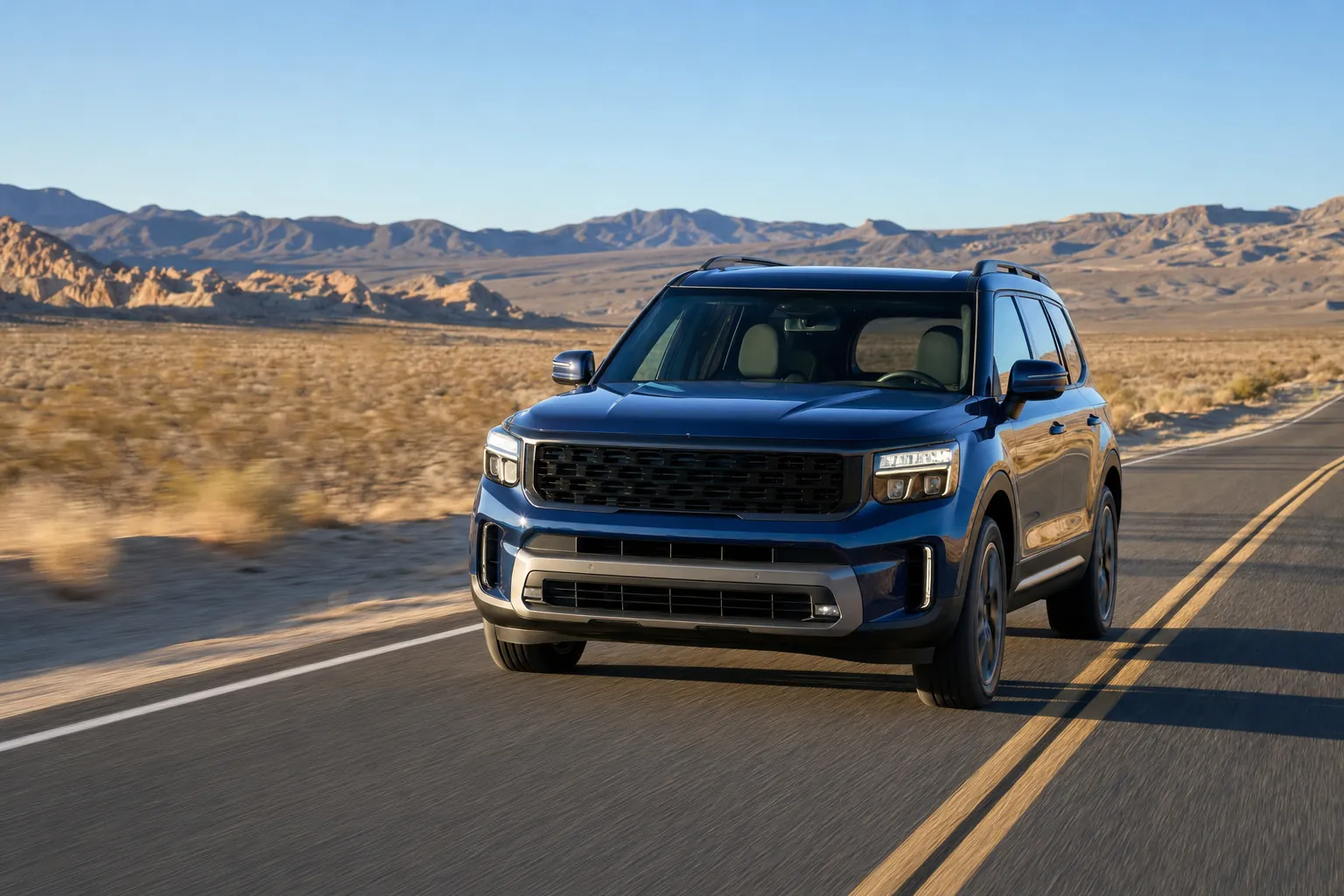
Windshield Protection
How Long Does Windshield Protection Film Last? Key Factors
How long does windshield protection film last? Learn what affects service life and when to ask an installer for an inspection.
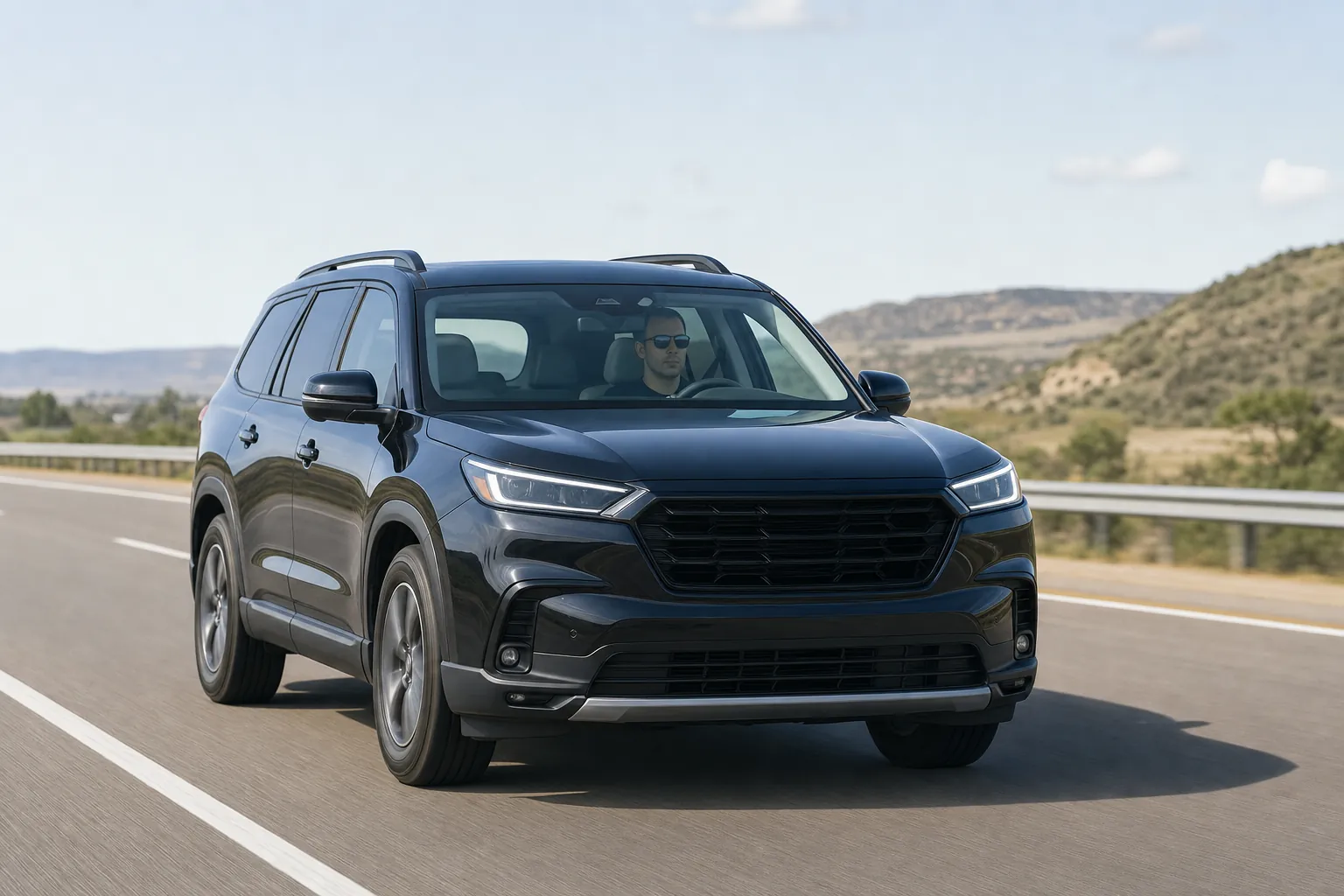
Windshield protection film does not have one honest lifespan number. The better answer is that it lasts as long as it continues to give the driver a clear view and remains in good condition for the vehicle, the product, and the way it is used. Road miles, weather, wiper blades, cleaning habits, installation quality, and the condition of the glass all shape that outcome.
That does not make the question vague. It makes it practical. A driver considering film should understand what can wear it, what a written warranty does and does not cover, and when a small change is worth an installer inspection. The goal is not to make a windshield indestructible. It is to protect sound original glass while treating clear visibility as the standard that matters most.
Start with the difference between coverage and service life.
Warranty language and day-to-day service life are related, but they are not the same promise. A written warranty can address qualifying film defects under stated terms. It does not mean every surface mark, road impact, worn wiper blade, cleaning mistake, or change caused by normal exposure will be treated the same way.
Impact Defense offers a Lifetime Limited Warranty for qualifying film defects when the film is installed by an authorized dealer. The first three years may also include a separate No Fault benefit with a limited replacement-film credit. The details matter, so drivers should read the written warranty terms rather than using a short label as a prediction of how every windshield will age.
A useful ownership question is simpler: What condition should the film be in for me to keep driving confidently? If it stays clear, properly adhered, and easy to maintain, it is doing its job. If the surface begins to affect the view, the wiper sweep, or the way you feel behind the wheel, it is time to ask the installer for a closer look.

Road exposure is the biggest variable.
Two identical vehicles can age their film differently because they live different lives. A vehicle that spends most of its time on short, clean city routes does not see the same exposure as one that follows trucks on the interstate, drives rural highways, crosses construction zones, or travels roads with loose shoulders. More time behind the wheel means more contact with dust, road spray, sand, small debris, weather, and wiper cycles.
That is why miles alone are not the whole answer. A high-mileage vehicle with careful washing and good wipers may keep a clean surface longer than a low-mileage vehicle that sits outside, runs dry wipers, or regularly encounters abrasive grit. The decision starts with the route as much as the odometer.
Protection film is a sacrificial exterior layer. It is intended to take ordinary surface exposure before the original glass does, but it cannot erase the effect of every impact or environmental condition. A large object, an exposed glass edge, an existing weakness, or a severe impact can still damage the glass or the film. Drivers who want the broader picture can review how windshield protection film helps with road debris, including its limits.
Wiper care has an outsized effect on clarity.
Wiper blades are not an accessory to ignore. They make repeated contact with the windshield, and they can drag dust, dried residue, and road grit across the surface when they are worn or used on a dry windshield. A blade that chatters, streaks, skips, or leaves an uneven sweep is asking the driver to tolerate reduced visibility and can create avoidable surface wear.
Clear sightlines are a safety issue, not just an appearance concern. Federal Motor Vehicle Safety Standard No. 104 covers windshield wiping and washing systems, a useful reminder that the swept viewing area is critical equipment. Keep washer fluid available, avoid scraping or aggressive abrasives on the film, and replace worn blades before they become a recurring problem.
For everyday care, follow the installer’s product-specific guidance. In general, use clean materials, gentle products, and enough water to move loose grit away from the surface instead of grinding it across the glass. If you are unsure whether a cleaner, coating, or tool is appropriate, ask before testing it on the windshield.

Installation quality and starting glass condition matter.
Film cannot make damaged glass healthy. Before installation, the windshield should be inspected for chips, cracks, deep scratches, pitting, seal concerns, and prior repairs that may affect the result. If the glass needs repair or replacement, address that first. Applying film over an active problem is not a preservation plan.
The installation itself also matters because the windshield is a primary viewing surface. Glass preparation, correct product selection, fit around the vehicle, and a clean final inspection all affect how the surface looks and performs over time. That is why windshield-specific film and professional installation are different from treating the glass like a painted body panel.
Drivers comparing options should start with the windshield protection film overview, then ask an authorized installer about compatibility for their vehicle, glass condition, selected series, and local requirements. A good conversation should be specific, not a generic assurance that every windshield is the same.
Watch for changes instead of waiting for a major problem.
A quick visual check after washing the vehicle or finishing a long drive is often enough to spot a change early. Look through the glass from the driver’s seat in normal daylight. Notice whether the view remains clear, whether the wipers sweep cleanly, and whether the edges still look settled.
Contact an installer when you see persistent haze, a new distortion in the viewing area, an edge that lifts, a deep mark, a damaged section, or a change you cannot explain. Do not reach for polishing compounds, metal blades, or harsh chemicals as a first response. Those choices can turn a small concern into a bigger one and make it harder to assess the original condition.
There is a separate line for glass safety. If the windshield itself has a chip, crack, or serious visual obstruction, get qualified glass advice promptly. Film care should never become a reason to delay a needed repair or replacement.

A simple care routine helps keep the answer predictable.
You do not need an elaborate routine to take care of windshield protection film. Keep the surface reasonably clean, use soft clean towels, make sure washer fluid is available, and treat new wiper noise or streaking as a maintenance signal. Regular attention works better than an occasional aggressive correction.
It also helps to separate normal use from damage. Ordinary weather and driving are what the film is designed to face. A clear change in the viewing surface, a large impact, or a new area of damage deserves a professional opinion. Keep installation and warranty paperwork available so the installer can identify the exact film and explain the next step.
That routine supports the reason most drivers choose protection in the first place: preserving a clear original windshield for as long as it makes sense. Modern glass can be tied to cameras and driver-assistance equipment, so avoiding an unnecessary replacement event can mean avoiding a larger chain of decisions. The windshield replacement and calibration guide explains why a replacement can involve more than fitting new glass.
Build windshield care into the trips you already take.
The easiest routine is the one that fits normal driving. Before a long highway trip, check whether the blades clear smoothly, top up washer fluid, and make sure the windshield is free of dried residue that could smear when rain starts. Those small checks are useful on any vehicle, and they matter even more when the windshield is a protected viewing surface.
After a drive through construction, a dusty route, coastal spray, or heavy weather, rinse loose contamination away when practical rather than asking dry wipers to clear it later. You do not need to wash the vehicle after every trip. The point is simply to avoid turning a layer of grit into repeated friction across the same central viewing area.
Parking habits can play a part too. A vehicle that lives outside sees more sun, changing temperatures, tree debris, and airborne residue than one that is garaged. That does not make film a poor choice. It means the owner should expect the surface to need ordinary attention and should choose care habits that match the way the vehicle is actually stored and driven.
Know what to document before asking for an inspection.
When something changes, a few clear details make an installer conversation faster and more useful. Note when you first saw it, whether it appears only when the glass is wet or in direct sun, where it sits in relation to the wiper path, and whether there was a recent impact or cleaning product involved. A photo taken from both inside and outside the vehicle can help show the concern without guessing at its cause.
Do not make a repair decision from a photo alone. The installer needs to see whether the change is in the film, the glass, the wiper path, or residue on the surface. The best outcome may be a simple cleaning recommendation, a maintenance adjustment, a warranty conversation, or an assessment of the glass itself. Getting the right diagnosis matters more than trying to force a quick cosmetic fix.
This approach also gives the driver a straightforward way to measure service life. Instead of asking whether the film has reached an arbitrary date or mileage number, ask whether it remains clear, stable, and suitable for the windshield as it is used today. That is the condition-based answer that protects the reason the film was installed in the first place.
How Impact Defense fits into the decision.
Impact Defense is a professionally installed exterior windshield-protection film designed to help protect compatible original glass from ordinary road debris, surface wear, and environmental exposure. It is offered in options selected around clarity, heat management, and appearance, depending on the vehicle and application.
The right starting point is not a promise about an exact number of years. It is a clear assessment of the glass, the vehicle, the routes you drive, and the care you are willing to provide. An authorized installer can explain the available film options, confirm compatibility, review care expectations, and answer written-warranty questions before any work begins.
Use the installer finder to discuss your vehicle with an authorized installer. Bring the practical questions: What film fits this windshield? What care does it need? What should I watch for? What does the written coverage include? Clear answers are a better measure of long-term value than a generic lifespan claim.
Frequently asked questions
How long does windshield protection film last?
There is no single service-life number that applies to every vehicle. Film condition depends on the product, installation, road exposure, climate, wiper condition, cleaning routine, and whether the glass was sound before installation. An installer can explain the written coverage for the exact film and inspect the surface when its condition is in question.
Does a lifetime warranty mean the film will look new forever?
No. Written defect coverage and real-world wear are different things. Read the warranty terms for the exact product, then ask the installer how everyday exposure, maintenance, and accidental damage are handled.
Do wipers shorten windshield protection film life?
Wiper blades are part of the contact surface on any windshield. Dirty, worn, or chattering blades can create avoidable friction, so replace them when they stop clearing the glass cleanly and follow the installer’s care guidance.
Can damaged windshield protection film be repaired?
An installer should inspect any change in clarity, an edge that lifts, a deep mark, or a damaged area. The appropriate next step depends on the film, the glass, the affected area, and the written warranty terms.
Should I install protection film on a chipped or cracked windshield?
No. Active chips, cracks, serious scratches, or seal concerns should be assessed before installation. Film is intended for compatible, sound glass, not as a way to delay needed repair or replacement.
Related posts
 8 min readWhat Is Windshield PPF? Can You Put It on a Windshield?What is windshield PPF? Learn how windshield-specific film differs from body PPF, when it may help, and what to ask before installation.
 12 min readIs Windshield PPF Worth It? When It Makes SenseIs windshield PPF worth it? See when road exposure and original-glass value make it a sensible choice, and when it may not.