Windshield Protection
Is Windshield PPF Worth It? When It Makes Sense
Is windshield PPF worth it? See when road exposure and original-glass value make it a sensible choice, and when it may not.
The short answer is: windshield PPF can be worth it when you are protecting sound original glass that sees real road exposure. It is less compelling when the windshield already needs attention, the vehicle sees limited risk, or the owner does not want another surface to maintain. The useful answer is not a universal yes. It is a decision based on your driving, the condition of the glass, and how much you value avoiding a future replacement event.
That distinction matters because a windshield does a different job than a painted body panel. It is a primary viewing surface, and on many vehicles it sits near cameras, sensors, heating elements, or other equipment. The goal is not to make a dramatic promise about what a film can stop. The goal is to decide whether a replaceable exterior layer makes sense before ordinary debris, wiper wear, weather, and miles take their toll.
This guide walks through the tradeoffs in plain language. Use it to decide whether windshield PPF belongs on your vehicle, what questions to bring to an installer, and when the smarter move is to wait.
What does “worth it” mean for windshield PPF?
For most drivers, “worth it” is not about whether a film exists. It is about whether the protection matches the cost and effort of ownership. Windshield PPF is designed to add a sacrificial layer over the exterior glass. That layer may help take the first contact from routine road exposure, then be replaced when it has reached the end of its useful life. The original windshield remains the thing you are trying to preserve.
A fair evaluation has four parts. First, how much exposure does the windshield actually see? Second, is the existing glass worth protecting? Third, will the film and installer keep clarity at the center of the installation? Finally, are you comfortable with the care and inspection the film may need over time?
The last question is often overlooked. Any exterior windshield surface lives with dirt, wipers, rain, heat, cold, and cleaning. A person who keeps wiper blades in good condition and deals with changes early is more likely to get value from a protective layer than someone who expects to install it and never think about the windshield again.
Start with the road exposure your windshield sees.
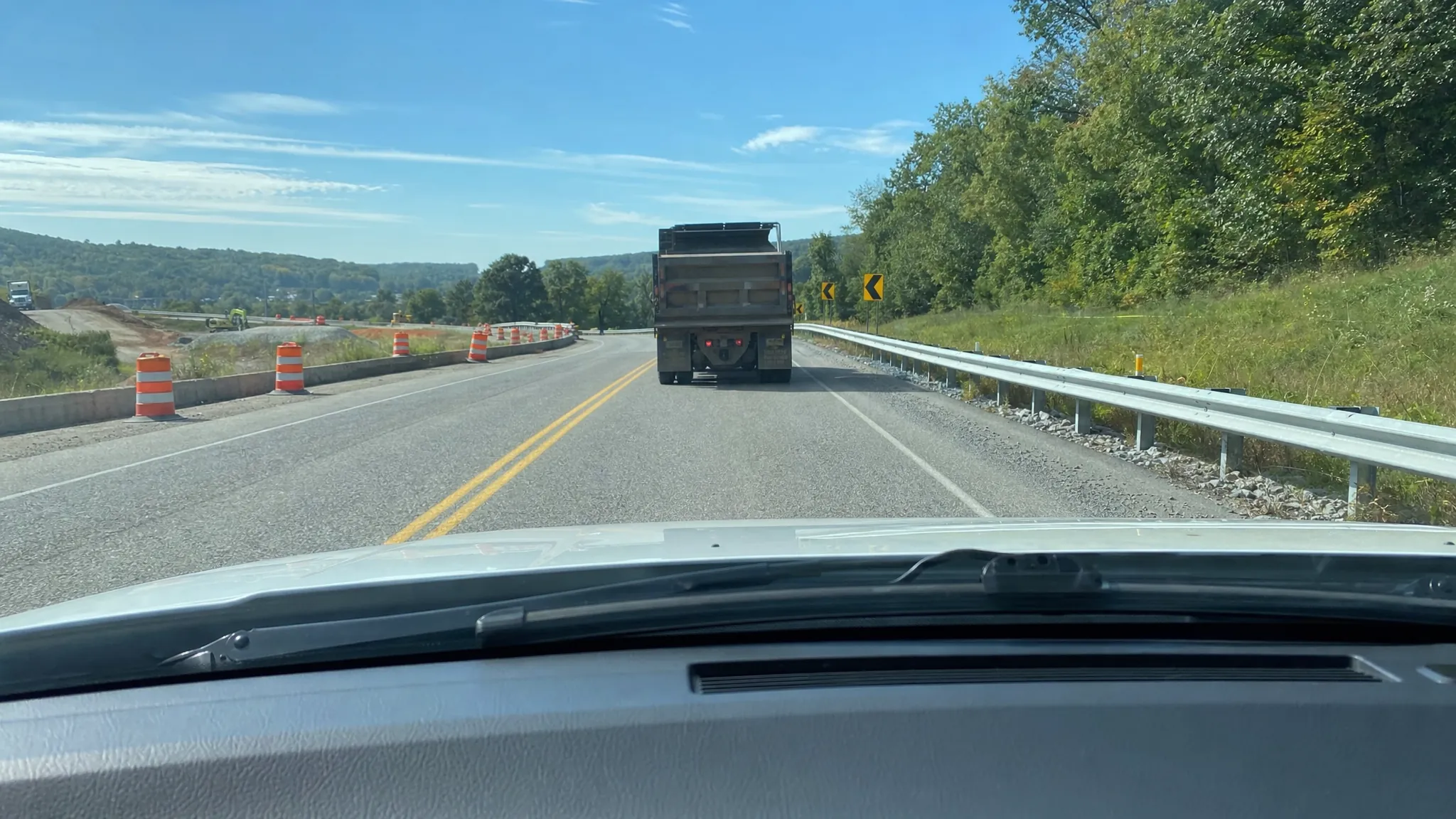
Road exposure is the strongest reason to consider windshield PPF. Long highway commutes, rural routes, gravel shoulders, construction zones, winter road treatment, and regular driving behind trucks all increase the chance that small debris reaches the glass. The risk is not identical on every mile, but a windshield that spends many hours in those conditions has a different ownership profile than one used mainly for short city errands.
Look at a normal month rather than one memorable rock-chip incident. How often do you travel at highway speed? Do your regular routes include active road work, loose aggregate, farm roads, or trucks hauling material? Does the vehicle make long trips where a chip or crack would become a disruption far from home? A practical record of where and how you drive is more useful than a vague fear that something might happen.
Road debris is a real part of everyday driving, not just a cosmetic nuisance. The site’s road debris statistics page collects current public research on how unsecured or loose material affects drivers. That does not mean every driver needs film. It does mean frequent road exposure is a sound reason to ask whether an extra layer belongs in the maintenance plan.
Exposure can be seasonal, too. A route that feels routine in summer may include sand, road treatment, more construction activity, or poor weather at other times of year. Think about the conditions that recur across a full year, not just the clearest week you have driven recently. That broader view makes the decision more grounded and helps an installer recommend protection for the vehicle you actually own.
Original glass can change the value equation.
Windshield PPF is usually a better conversation when the glass already on the vehicle is clear, sound, and worth preserving. Original glass may be important to an owner for simple reasons: it fits well, the view is good, and there is no reason to replace it. It can also matter because a modern windshield is not always just a pane of glass.
Many newer vehicles use forward-facing cameras and sensors as part of driver-assistance features. The exact equipment and service requirements vary by vehicle, but replacement work can involve more than installing new glass. The Auto Glass Safety Council’s ADAS calibration checklist is a useful reminder that the work around cameras and calibration deserves a deliberate conversation with qualified professionals. Protecting good original glass is not a substitute for required service, but it can be appealing when the aim is to avoid an unnecessary replacement event.
This is also where marketing claims need a reality check. A protection film cannot promise that original glass will never need to be replaced. A serious impact, a crack, edge damage, or a safety concern can still make replacement the right answer. The value is in helping reduce ordinary exposure, not in trying to override a needed repair decision.
When windshield PPF is usually worth considering.
Drivers who get the most practical value tend to have a few conditions in common. They drive enough highway miles that road debris is a recurring concern. They have a windshield in good condition and prefer to keep it that way. They can work with an experienced installer who treats clarity and fit as non-negotiable. And they are willing to follow a sensible care routine.
It can be especially worth a closer look for a daily driver that spends hours each week on fast roads. The benefit is not just the possibility of avoiding a chip. It is the reduction of small, repetitive exposure that can leave a windshield looking tired over time: road grit, surface wear, weather, and wiper abrasion. Owners who notice every mark in their line of sight tend to understand the appeal quickly.
It can also make sense for people who keep vehicles for several years. A short ownership window does not automatically rule it out, but the value proposition is easier to understand when you expect to live with the vehicle through many seasons and many miles. Ask the installer how the specific product is expected to perform under your climate, routes, and normal use.
Finally, it is worth considering when the installer conversation is clear. You should hear what the film can help with, where its limits are, how it will interact with wipers and glass condition, and what to do if you notice a change. A vague answer is not a selling point. A specific explanation is.
When the answer may be no, or not yet.
Windshield PPF is not a universal upgrade. If the windshield has a growing crack, active chip, serious scratch, damaged seal, or other known issue, get the glass assessed first. A protective layer is not a repair, and applying one to compromised glass can create the wrong expectation. Safety and visibility come before preservation.
It may also be a poor fit when the vehicle sees very little road exposure. A car that rarely leaves low-speed city streets faces a different level of risk than a commuter or touring vehicle. In that case, the money may be better spent on other maintenance or protection priorities. There is no prize for buying more protection than the vehicle needs.
Be honest about maintenance as well. Worn wiper blades, abrasive cleaning habits, and delayed inspections are hard on any windshield surface. If a driver uses harsh tools, lets blades drag for months, or is unlikely to address a lifting edge or visibility concern, adding film may not be the right next step. The product should make ownership easier, not create a problem that gets ignored.
Last, do not use a film to avoid a professional recommendation you already know is necessary. If a glass technician says repair or replacement is needed, that decision should not be delayed because you hope a protective layer can cover the issue. It cannot.
Clarity is the non-negotiable tradeoff.
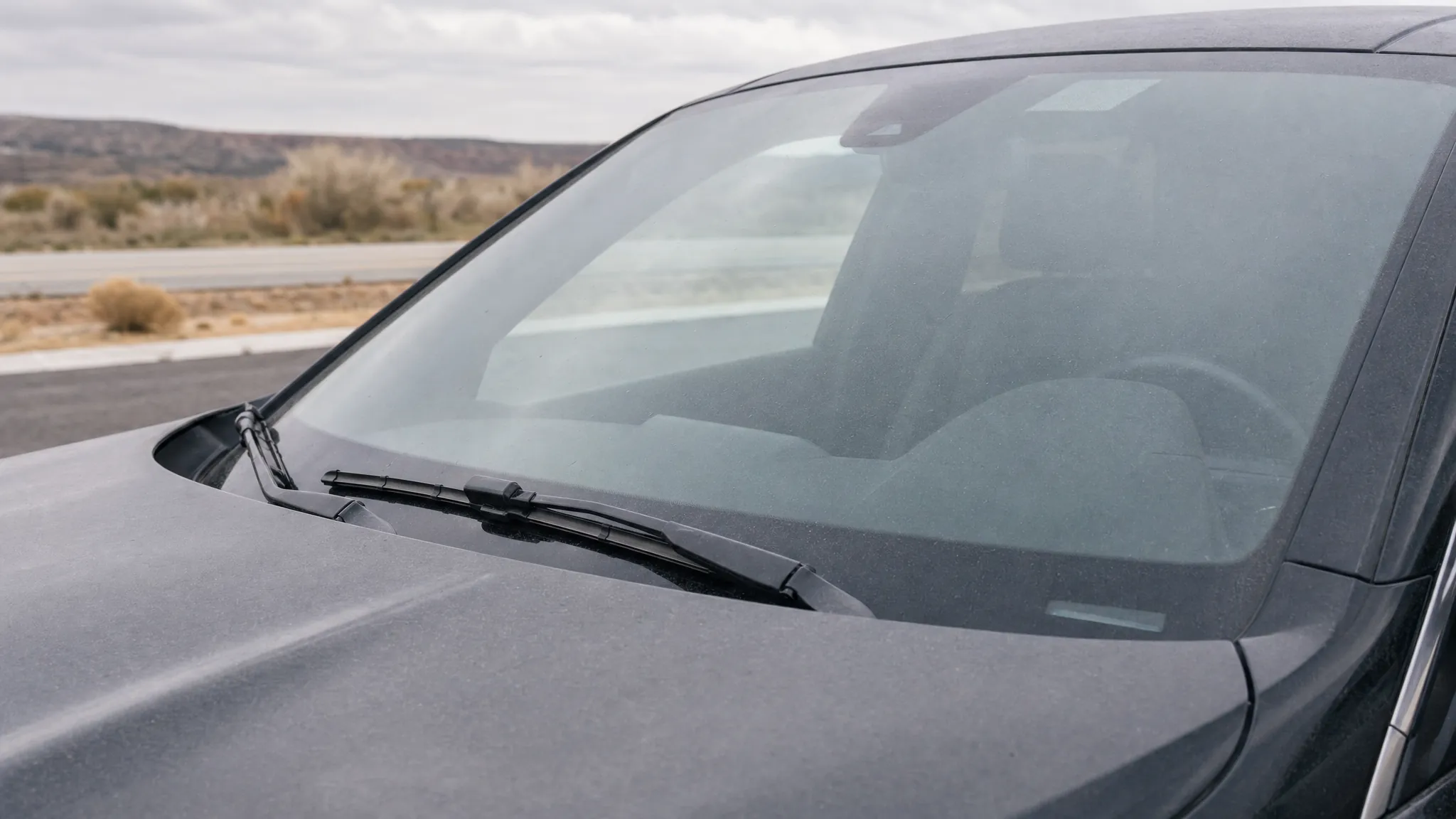
Every windshield decision should begin with the view through the glass. A windshield-specific film has a more demanding job than a body-panel film because it sits directly in the driver’s line of sight. The material, fit, preparation, and installation all matter. A good discussion does not brush past that. It makes optical performance central to the decision.
Before booking, ask how the installer evaluates the glass, how the selected film is intended for windshield use, and what you should inspect after the work is complete. Look through the windshield from the driver’s seat in normal daylight. Check the central viewing area, wiper sweep, edges, and any location near cameras or sensors. It is much easier to have a productive conversation while the installation is still fresh.
Impact Defense is built around that same priority. The technology overview explains the company’s focus on optical clarity, impact protection, and an exterior-mounted solution designed for windshield applications. It is still important to make the final decision with a trained installer who can assess your exact vehicle and glass condition.
Care is part of the value, not an afterthought.
Windshield PPF does not ask for a complicated routine, but it does reward reasonable care. Keep the surface clean with products the installer recommends, use clean microfiber rather than abrasive pads, and do not treat a persistent mark with a blade, aggressive compound, or whatever happens to be under the garage sink. The goal is to preserve a clear viewing surface, not win a cleaning battle in one afternoon.
Wiper blades deserve the same attention. Dirty, worn, or chattering blades can be hard on an exterior windshield surface. Replace them when they begin to streak, drag, skip, or leave debris behind. It is a small maintenance step, but it protects the day-to-day experience of looking through the glass. Keeping washer fluid topped up and using it before wiping dry grit across the windshield also makes good sense.
Most importantly, pay attention to change. A new line near an edge, haze that does not wash away, a bubble, a persistent spot, or different wiper behavior should start a conversation with the installer. Early inspection is far better than trying to polish, scrape, or glue a problem at home. That approach gives the owner a clear answer while the issue is still small and before it becomes distracting.
This is why the right buyer is someone who values a simple maintenance habit. If you already keep the vehicle clean, replace wipers when needed, and notice the condition of the glass, a protective film can fit naturally into your ownership routine. If windshield care is never going to be a priority, it is reasonable to question whether the added layer will deliver the value you expect.
A practical way to weigh the cost.
Do not compare film only to the price of a replacement windshield. That is too simple. Compare it to the ownership experience you are trying to create. For some drivers, a replacement event means an appointment, insurance questions, time without the vehicle, and possible follow-up work around driver-assistance equipment. For others, it is an inconvenience they would rather address only if it happens. Both views are reasonable.
Then consider the film as a wear item. It is an added investment and an exterior surface that will eventually need attention. In return, it may help take the everyday wear that would otherwise land directly on the glass. Whether that exchange makes sense depends on your road miles, your tolerance for glass repair disruption, and the condition of the windshield today.
A good rule is to avoid buying from fear. Write down the actual conditions: the age and condition of the glass, annual miles, regular road types, the presence of cameras or sensors, how long you plan to keep the vehicle, and your comfort with routine care. That gives you a clear set of facts to discuss with an installer instead of relying on a sales pitch or one bad day on the highway.
Ask these questions before choosing a film.
Start by confirming that the product is intended for windshield use. Then ask how the shop will inspect and prepare the glass. A clear answer should include what would make the vehicle a poor candidate for installation, not just what makes it a good one.
Ask how the film will fit your vehicle’s specific glass and equipment. Let the installer know about cameras, sensors, heating elements, aftermarket glass, a heads-up display, or any prior windshield repair. The right professional will see those details as part of the job, not as an interruption to a generic installation process.
Ask about ownership after the installation. What cleaning products are appropriate? When should wipers be replaced? What should a driver do about a new line, haze, lifting edge, persistent mark, or change in wiper movement? Who inspects the film if something seems off? Clear aftercare answers are often the best sign that the shop expects to stand behind its work.
Finally, ask for the warranty terms in plain language. Impact Defense provides a Lifetime Limited Warranty and qualifying No Fault film-replacement credit when its conditions are met. That coverage applies to the film under the stated terms, not to every windshield damage scenario. Knowing the distinction upfront prevents an unpleasant surprise later.
Choose the installer as carefully as the film.
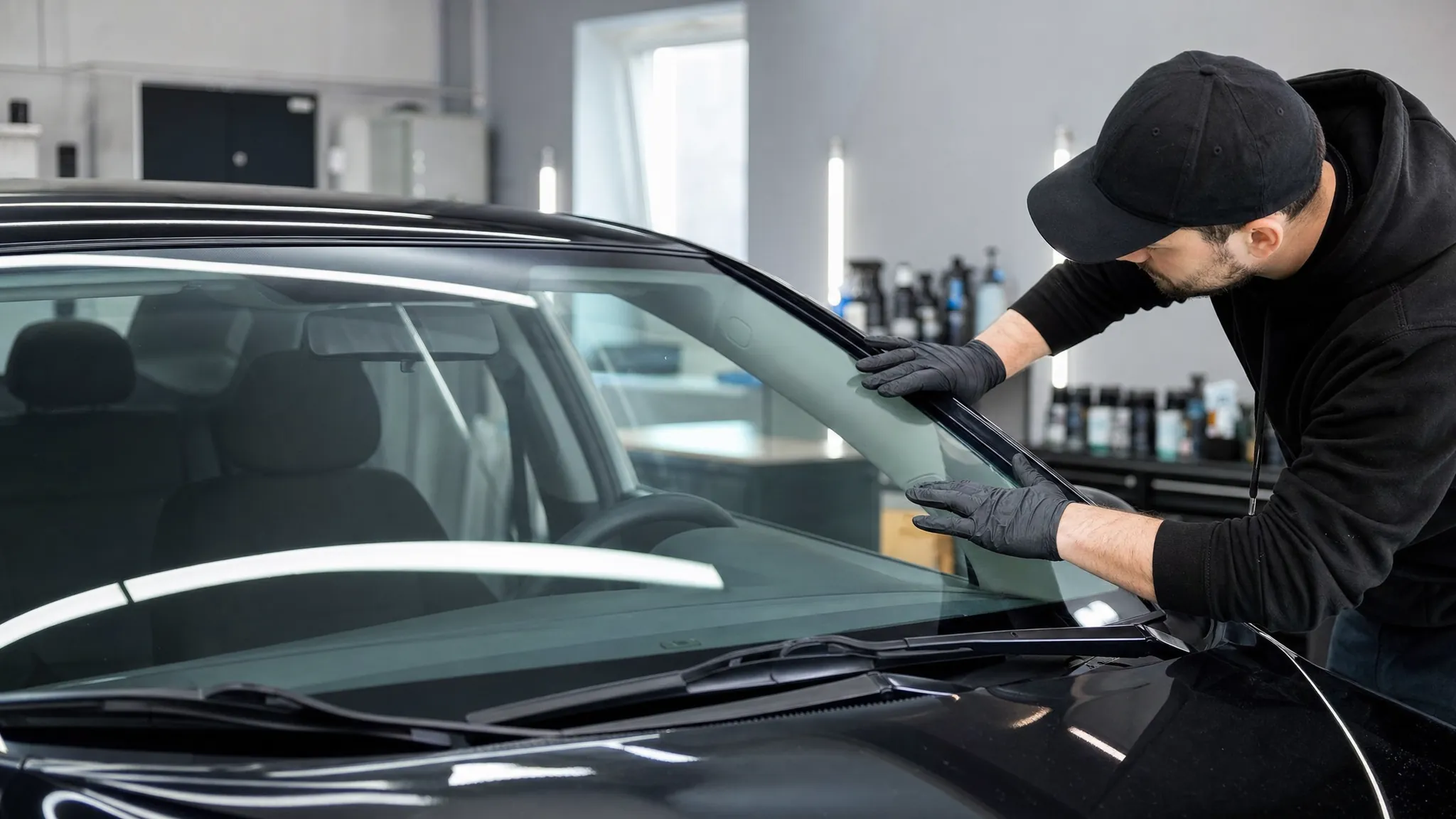
On a windshield, installation quality is not an invisible detail. It is part of what you see every time you drive. The shop should inspect the glass before starting, identify pre-existing damage or defects, prepare the surface carefully, and explain what the vehicle owner should expect during the first days after installation. A professional who is willing to pause when the glass is not a good candidate is generally more valuable than one who insists every windshield can be covered immediately.
Ask to see how the shop handles the final inspection. You should expect a driver-seat review of the central viewing area, edges, wiper path, and overall finish. The installer should also make the next step easy: who to contact, what photos are helpful if you see a concern, and when to return for an inspection. That process is not bureaucracy. It is how a highly visible surface stays accountable after the appointment.
It is also worth asking whether the installer has experience with your vehicle type. Windshields vary in shape, technology, prior repair history, and sensitivity to visible distortion. The right shop will ask questions about the vehicle before making promises. Bring the vehicle details, your driving habits, and your concerns about cameras or original glass. A tailored recommendation is more valuable than an answer that sounds the same for every car in the parking lot.
Where Impact Defense fits.
Impact Defense is for drivers who want to help preserve clear, sound original windshield glass while keeping visibility at the center of the decision. The system is professionally installed on the exterior of the glass, where it is intended to take the first contact from ordinary road exposure.
For drivers whose routes include debris, weather, regular highway miles, or long-distance travel, that can be a useful additional layer. For a vehicle with damaged glass or limited exposure, the more responsible answer may be to wait. The point is to match the product to the real need, not force every vehicle into the same recommendation.
Use the Windshield Protection Film page to see the core product information, then use the installer finder for a vehicle-specific conversation. An authorized installer can inspect the glass and explain the options in the context of how you actually drive.
A quick decision checklist.
Windshield PPF is worth a serious conversation when most of these points are true:
- Your windshield is in good condition and you want to keep the original glass in service.
- You drive regular highway, rural, construction-zone, or debris-prone routes.
- You expect to keep the vehicle long enough for road exposure to add up.
- You care about keeping the viewing surface clear and will maintain wiper blades and cleaning habits.
- You can work with an installer who explains fit, limits, aftercare, and warranty terms clearly.
It is probably not the right move today when the glass already needs repair, the vehicle sees limited risk, or the film would be installed without a clear plan for care. That is not a failure of the product. It is simply the difference between buying protection because it fits your ownership needs and buying it because the category sounds reassuring.
The best outcome is a windshield that remains clear, safe, and easy to live with. When windshield PPF supports that goal for your routes and your vehicle, it can be worth it. When it does not, a good installer should be comfortable saying so.
Frequently asked questions
Is windshield PPF worth it for a daily driver?
It can be, especially when the vehicle spends substantial time on highways, rural roads, construction routes, or other roads where small debris is common. The decision is strongest when the windshield is in good condition and the owner values keeping the original glass in service.
Does windshield PPF prevent every chip or crack?
No. Windshield protection film is a sacrificial exterior layer, not a guarantee against every impact. A large object, high-speed impact, existing glass weakness, or deep crack can still require professional glass repair or replacement.
Is windshield PPF worth it on a newer vehicle?
A newer vehicle can be a sensible fit when its original windshield is clear and its glass supports cameras or other driver-assistance equipment. The right decision still depends on the vehicle, the road exposure, the selected film, and the installer’s assessment.
How long should windshield PPF last?
Service life depends on the product, driving conditions, wiper condition, cleaning routine, weather exposure, and installation quality. Ask the installer to explain the expected maintenance, inspection process, and warranty terms for the specific film being considered.
Can windshield PPF affect visibility?
Visibility must remain the first priority. A windshield-specific film and careful professional installation are essential. If a driver notices haze, distortion, lifting edges, or a change in wiper movement, the installer should inspect it rather than the owner trying aggressive cleaning or repair methods at home.
Should damaged glass be protected with windshield PPF?
No. Active chips, cracks, serious scratches, damaged seals, or other glass concerns should be assessed first. A protective film is intended for sound glass, not as a way to delay needed glass repair or replacement.
Related posts
 8 min readWhat Is Windshield PPF? Can You Put It on a Windshield?What is windshield PPF? Learn how windshield-specific film differs from body PPF, when it may help, and what to ask before installation.
 14 min readDoes Windshield Protection Film Work? What It Can and Cannot DoDoes windshield protection film work? Learn where it can help, its limits, and when an installer should assess your glass.
 10 min readHow Long Does Windshield Protection Film Last? Key FactorsHow long does windshield protection film last? Learn what affects service life and when to ask an installer for an inspection.