Windshield Protection
Windshield Protection Film Installation Near Me: How to Choose
Looking for windshield protection film installation near you? Use this practical checklist to compare installers, quotes, clarity checks, and follow-up care.
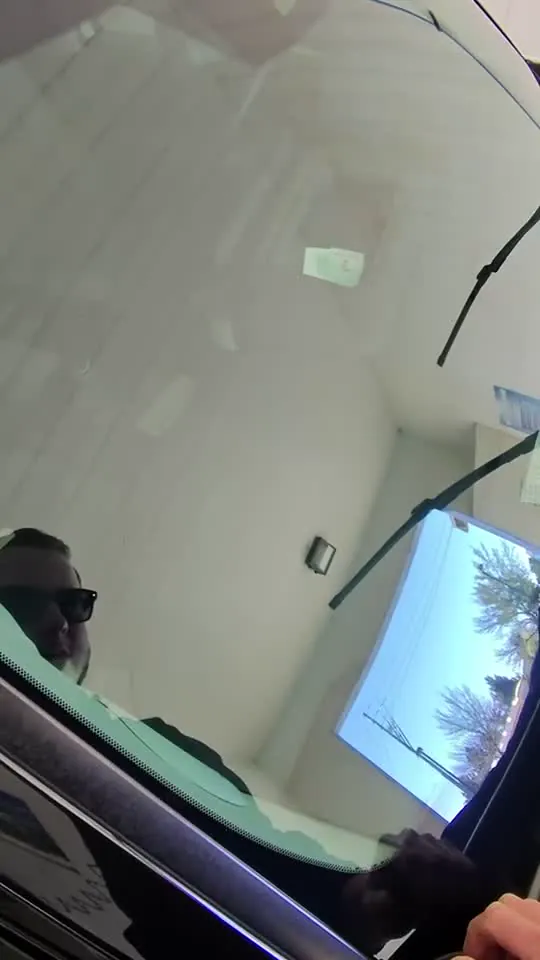
Searching for windshield protection film installation near you usually means you are past the broad “what is it?” stage. You want to know whether a local shop understands a windshield as a critical viewing surface, whether the film is a sensible fit for your vehicle, and what will happen after you hand over the keys.
That is a better question than “who is closest?” A nearby shop can be convenient, but the right installation begins with a clear assessment of the actual glass and a straightforward explanation of the product’s limits. This guide gives you a practical way to compare local options without treating a windshield film as a magic shield.
Start with the windshield, not the sales pitch.
A good conversation starts with the vehicle in front of the installer. Before discussing a film, share the year, make, model, windshield history, and the kind of roads you drive. Mention chips, cracks, deep scratches, wiper chatter, previous replacement, cameras, sensors, heating elements, a heads-up display, or recent service around the glass.
Those details do not automatically rule out protection. They help the installer decide whether the windshield is a suitable candidate and whether another service needs attention first. Film does not repair active damage, make a crack safe, or substitute for glass repair, replacement, or any vehicle-specific procedure. If an installer skips the condition conversation and goes straight to a blanket promise, pause there.
For a closer look at the installation sequence, read the site’s windshield protection film installation guide. It explains why preparation, fit, and clarity checks belong before a vehicle leaves the shop.
Ask what film is being proposed, and why.
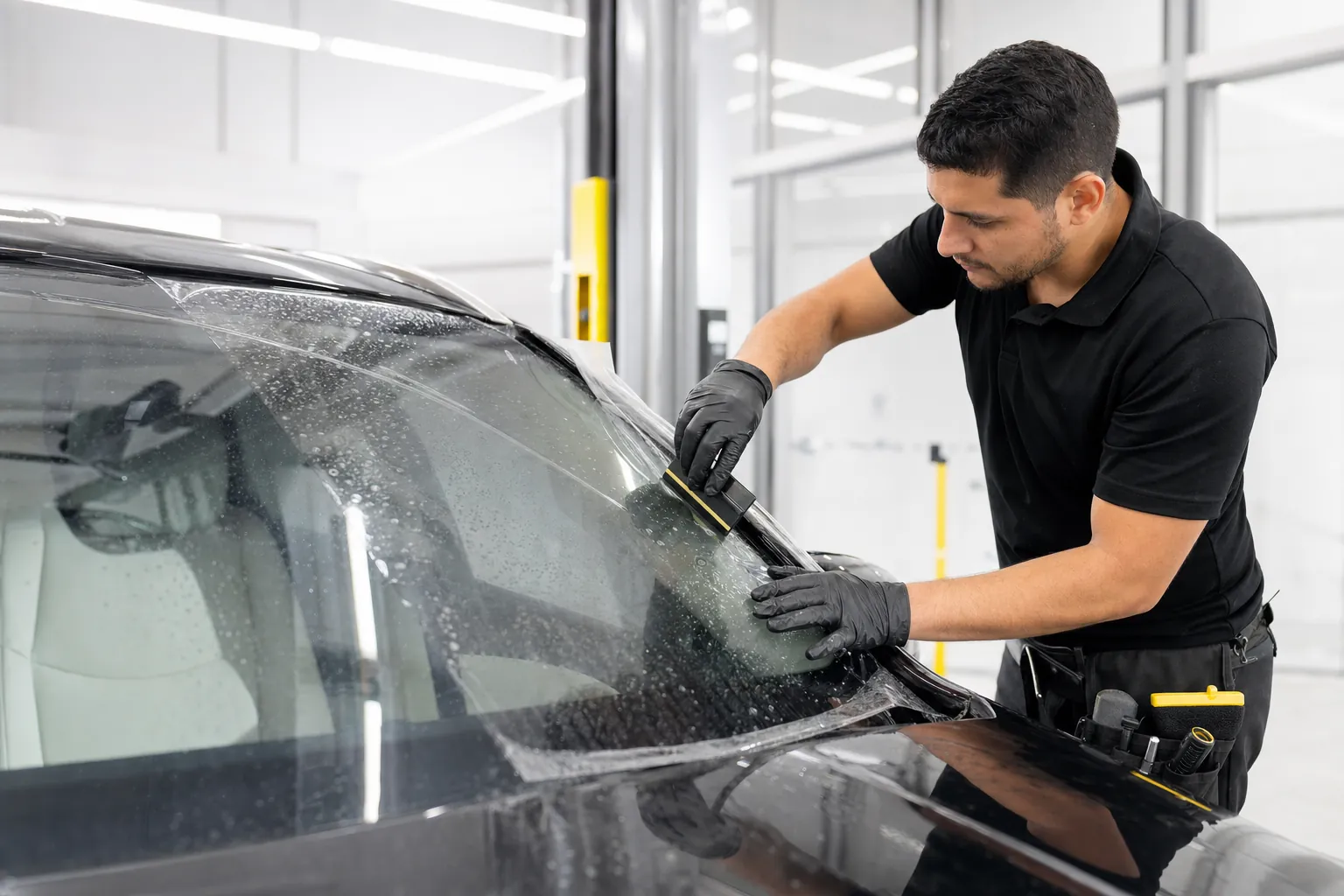
“Windshield film” can mean different products and different jobs. A body-panel paint protection film, a coating, a tint product, and a windshield-specific protective layer should not be treated as interchangeable. Ask the shop to name the exact film being proposed and explain why it fits the windshield, driving conditions, and local requirements.
The answer should put visibility first. A windshield sits in the driver’s line of sight, so clarity, clean installation, wiper condition, care, and the shape of the glass all matter. A good installer will explain what the film is intended to help with and where the limits begin. The Impact Defense windshield protection film overview is a useful starting point for understanding that product category before comparing local recommendations.
Ask whether the shop has installed the proposed windshield-specific system on vehicles like yours. You are not looking for a rehearsed claim that every vehicle is the same. You are looking for someone who can explain the practical checks they use when cameras, sensors, curved glass, and optical quality are involved.
Compare the process, not just the quote.
Two quotes can use similar language while covering very different work. Ask each shop to put the scope in writing: the vehicle, the proposed film, what is included, how the glass will be inspected and prepared, what the pickup review looks like, and who handles follow-up. A low price without a clear scope is not an apples-to-apples comparison.
A careful shop should be comfortable walking you through the sequence. First comes the condition check. Then comes cleaning and preparation suited to the actual glass. The film is installed and checked for fit, edges, and the driver’s view. At pickup, you should receive realistic care guidance and know who to contact if you notice a concern. That structure matters because film installation is not only about putting a clear layer on glass. It is about leaving the vehicle with a clean, usable view.
It is also reasonable to ask how the shop documents the completed work and warranty coverage. Keep the invoice and any care information. Manufacturer terms differ by film and may include a specific process for reporting a concern, so written documentation is more useful than a vague assurance.
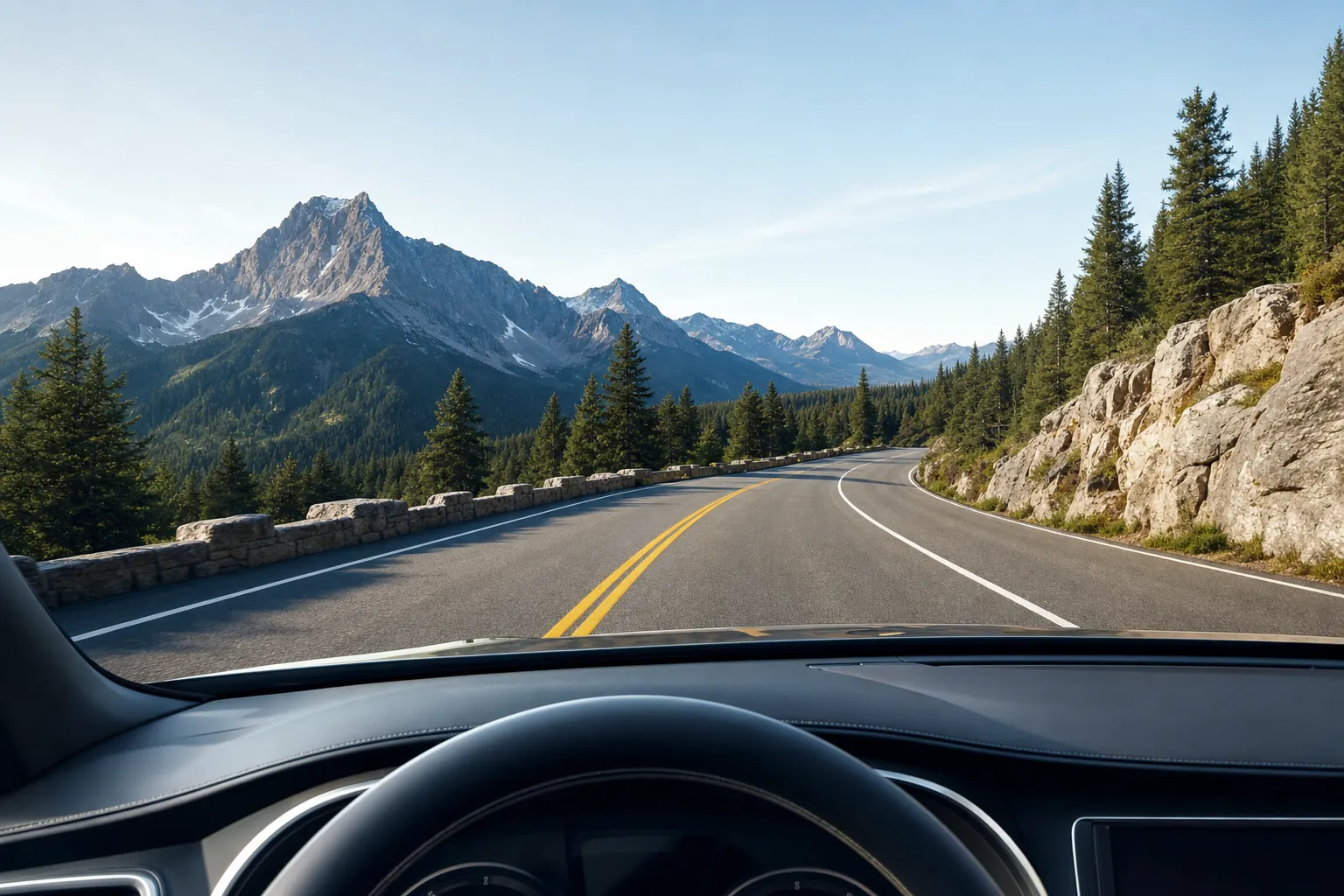
Look for a clarity-first handoff.
The pickup appointment is part of the installation, not an afterthought. Before you leave, inspect the windshield in normal conditions with the installer. Ask what you should expect during any recommended care period, how to treat wipers, which cleaners are suitable, and when to call the shop. You should be able to understand the answer without decoding sales language.
Pay attention to anything that affects the view ahead: unusual haze, a changed wiper pattern, a lifting edge, new marks, or a concern around a camera or sensor area. Do not try to hide a problem under a coating, scraper, or unapproved treatment. Contact the installer who performed the work and let them assess it. The right outcome may be a simple answer, an inspection, or a recommendation to involve a glass professional. Honest support is more valuable than a promise that nothing can ever go wrong.
For drivers comparing the protection approach against other glass-care options, the film versus ceramic coating guide explains the different jobs those products can serve.
Use local reviews and portfolios carefully.
Reviews can help you identify responsive businesses, but they are not a substitute for a technical conversation. Look for recent, detailed feedback about communication, cleanliness, follow-up, and the shop’s willingness to answer questions. A portfolio can also be useful when it shows real local work rather than only polished manufacturer photos. Ask which work shown is theirs and whether they can explain the windshield-specific process.
Do not turn one imperfect photo or one glowing testimonial into the whole decision. Instead, use reviews and examples to form better questions. Does the shop describe how it evaluates existing glass? Does it identify the specific film? Does it discuss care and limitations? Does it provide a clear contact path after installation? Those are stronger signals than a generic star count.
If you want an additional independent checklist of installer questions, this installer-question guide from ExoShield similarly emphasizes discussing the product, installer experience, warranty, and care before booking.
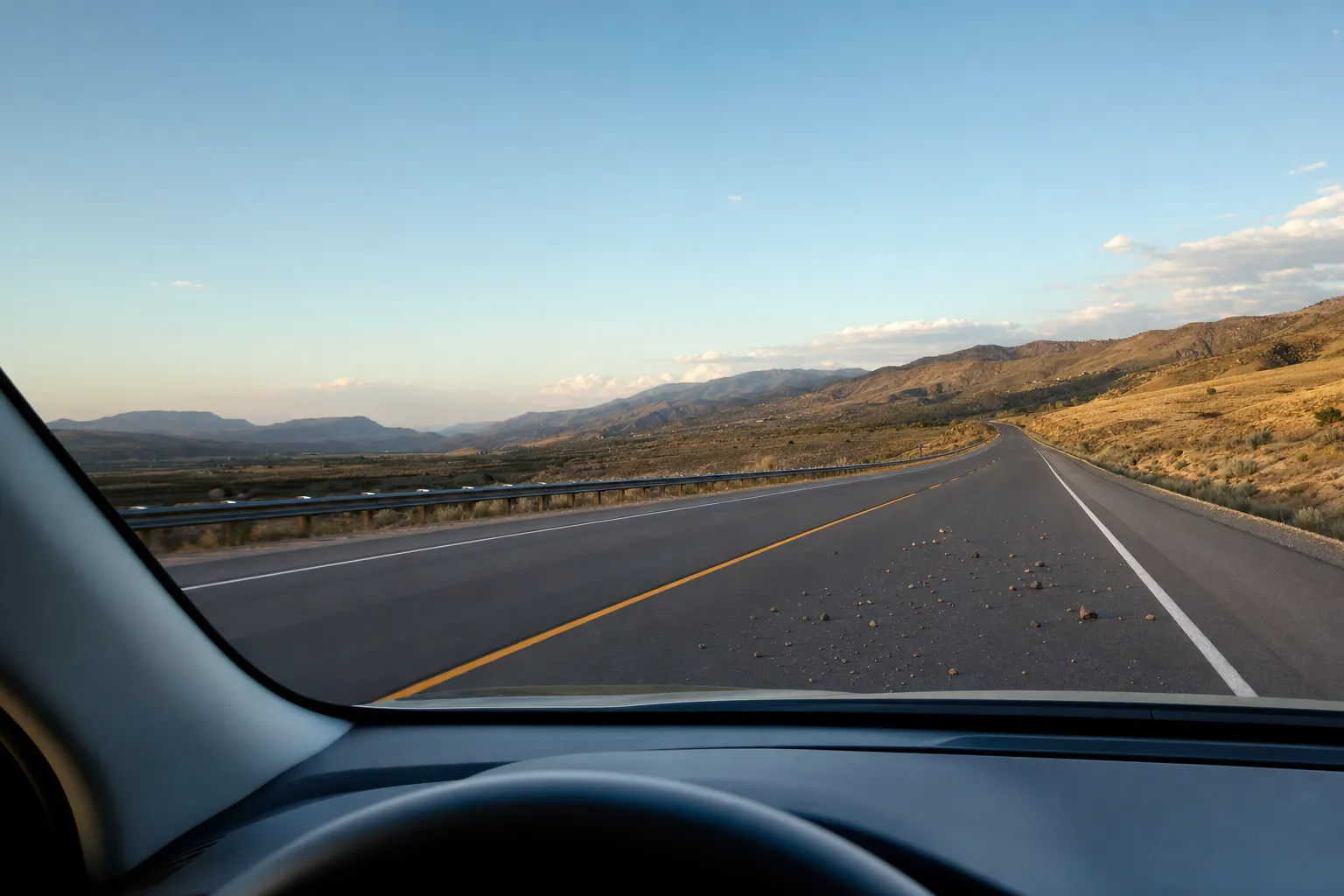
Red flags that deserve a second opinion.
Be careful with an installer who promises the film will stop every rock chip or never affect visibility. No responsible protective layer can guarantee every outcome in every road, weather, or impact condition. The same caution applies to a shop that cannot identify the film, will not inspect the glass, or gives no written explanation of the scope and aftercare.
Another red flag is pressure to decide before your vehicle-specific questions are answered. A good installer can be direct about what they know, what needs inspection, and when a windshield is not the right candidate. That is not a weak recommendation. It is evidence that the shop is protecting the vehicle and the customer relationship instead of forcing every job through the same script.
When you compare quotes, resist the urge to make price the only deciding factor. The better value is the installation that gives you a clear understanding of the product, an appropriately assessed windshield, realistic care instructions, and a real person to call afterward.
A short call checklist for local shops.
Before you call, write down your vehicle year, make, model, and anything unusual about the windshield. Include prior replacement, visible damage, a heads-up display, camera area, heating elements, and any wiper issue you have noticed. This keeps the first conversation focused on the vehicle rather than a generic product pitch. If a shop cannot answer immediately, that is fine. The useful response is a clear explanation of what they need to inspect in person.
During the call, ask five simple questions. Which windshield-specific film would you recommend, and why? How do you assess glass condition before installation? What is included in the written quote? What care instructions will I receive at pickup? Who should I contact if I have a concern later? The answers should be specific enough to compare. “It is all the same” or “do not worry about it” is not enough when the work involves the driver’s view ahead.
Then compare the responses side by side. The best local choice is not necessarily the shop that uses the most jargon, has the fastest available appointment, or gives the lowest number first. It is the one that can connect the proposed work to your vehicle, explain the limits without being evasive, and give you a clear support path after installation. That is the standard worth carrying into any final appointment.
How Impact Defense USA helps you find the right local conversation.
Impact Defense USA works through authorized installers who can review a compatible, sound windshield in person and discuss windshield-specific protective film with clarity at the center of the decision. The goal is not to make the same promise for every vehicle. It is to help drivers understand whether an added, replaceable exterior layer makes sense for the miles ahead.
Use the authorized installer locator to start with a local professional. Bring the checklist from this guide, the details of your vehicle, and the questions that matter to you. That leads to a more useful recommendation than choosing from a generic list of nearby shops.
Frequently asked questions
How do I find windshield protection film installation near me?
Start with an authorized installer locator, then compare the answers you receive about your exact vehicle, current glass condition, film option, preparation, care, and warranty. A nearby shop is useful, but a clear, vehicle-specific conversation matters more than distance alone.
Should an installer inspect the windshield before quoting film?
Yes. A sound windshield is the starting point. Existing chips, cracks, deep scratches, wiper damage, cameras, sensors, and prior glass work can affect whether film is appropriate and what preparation is needed.
What should a windshield protection film quote include?
Ask for the proposed windshield-specific film, the vehicle covered, the installation scope, any glass-preparation work, care guidance, warranty terms, and the shop that will support the installation afterward. Compare the complete scope, not only the bottom-line number.
Can windshield protection film guarantee no rock chips?
No. A protective film is an added, replaceable exterior layer for compatible glass. It should not be presented as a guarantee against every chip, crack, hard impact, or need for professional glass service.
Related posts
How to Install Windshield Protection Film: What to ExpectHow to install windshield protection film, from glass inspection and preparation to fit, clarity checks, care, and installer follow-up.