
Windshield Protection
Windshield Protection Film vs. Ceramic Coating
Compare windshield protection film and ceramic glass coating by their job, limits, care, and the driving conditions that make each choice sensible.
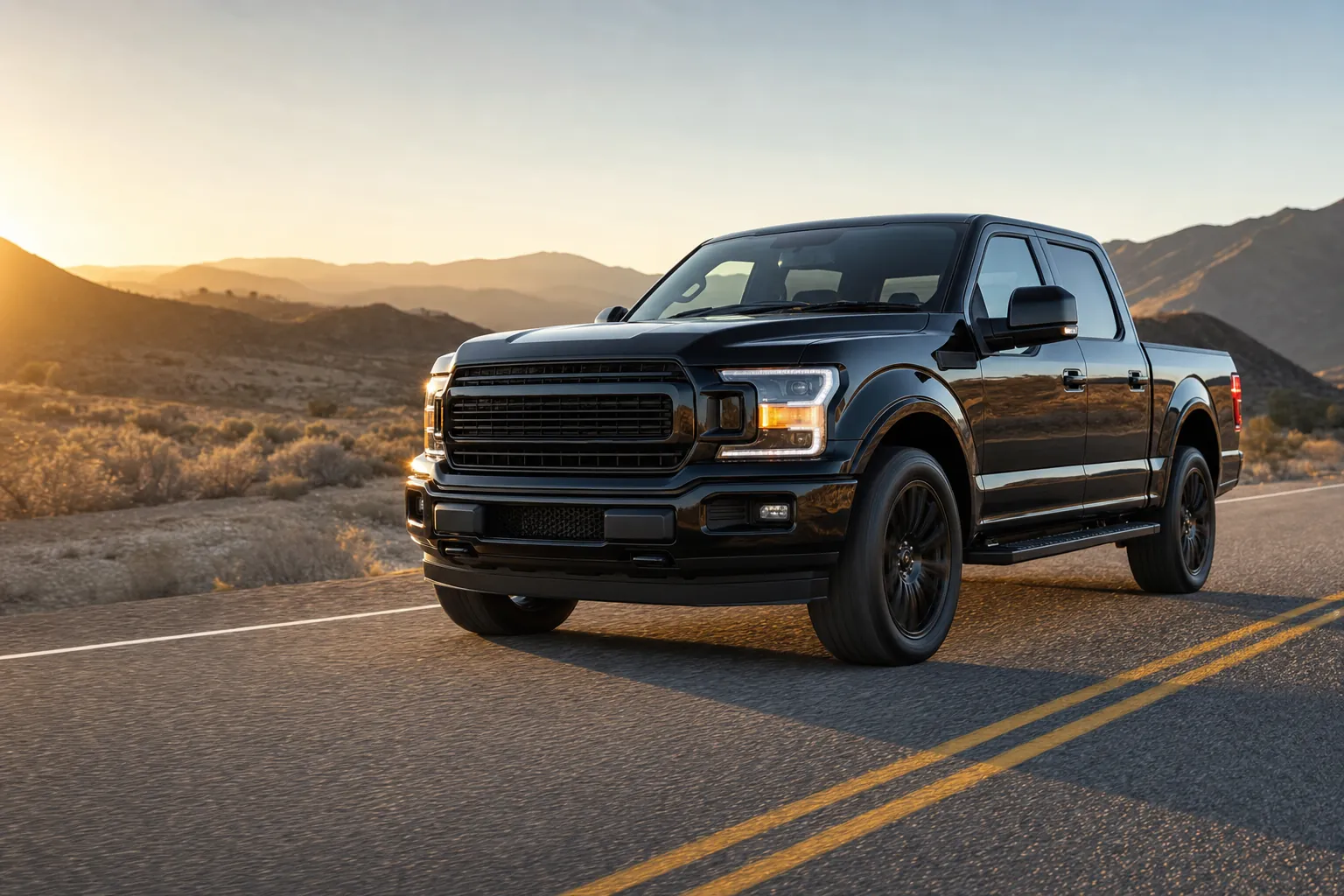
Windshield protection film and ceramic glass coating are often discussed as if they do the same thing. They do not. Both can be clear, both sit on the outside of the glass, and both may be sold in a conversation about keeping a windshield looking good. But one is a separate sacrificial layer and the other is a surface treatment. That difference matters when you are deciding where to spend money, how you expect the windshield to behave in rain, and what you want the product to do when road debris shows up.
The useful comparison starts with the job, not the label. A driver who mainly wants water to bead and bugs to release more easily has a different need from a driver who spends long stretches behind trucks, travels gravel roads, or wants to preserve sound original glass from routine surface exposure. Neither option is a magic shield. A clear view, a sound windshield, healthy wipers, and sensible driving habits still matter. This guide explains where each option fits, where it does not, and the questions worth asking before installation.
The short answer: choose the job you need done.
Choose a ceramic glass coating when your primary goal is water behavior and easier routine cleaning. Coatings are commonly described as hydrophobic, meaning they encourage water to bead rather than spread into a sheet. A product designed for automotive glass can make rain, road grime, and bug residue easier to manage when it is properly applied and maintained. That can be appealing to drivers who deal with wet weather and want a clean windshield to stay cleaner between washes.
Choose windshield protection film when you want a separate exterior layer on compatible glass. The film is meant to take the first contact from normal road exposure, then eventually be inspected or replaced as a service item. It is not a promise that rocks cannot chip glass or that cracks cannot happen. It is a different physical approach, and it deserves a conversation about optical clarity, the condition of the windshield, fit, wiper use, care, and the exact vehicle.
The Federal safety framework treats the windshield as a surface required for driving visibility. That is why the right decision is never simply “more protection is better.” NHTSA’s explanation of windshield glazing requirements reinforces the point: whatever is added to glass needs to be evaluated with visibility first, not as a cosmetic afterthought.
What windshield protection film is designed to do.
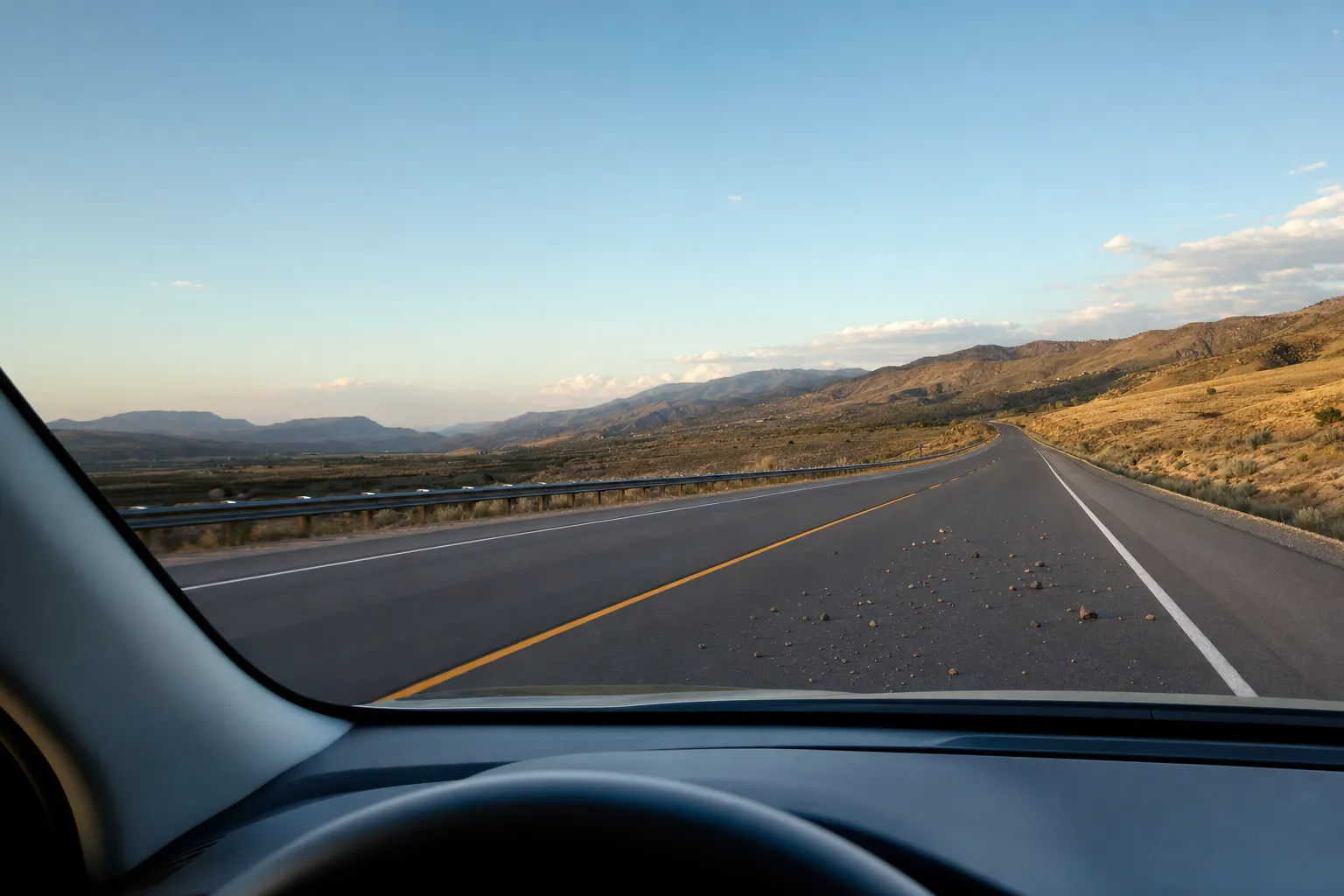
Windshield protection film is a transparent layer installed on the exterior of compatible windshield glass. Think of it as a serviceable surface between the glass and the everyday conditions a windshield meets: fine grit, road spray, small debris, weather, and ordinary wiper contact. The point is not to turn glass into something indestructible. The point is to give normal exposure a layer to meet before it reaches the original glass.
That makes film particularly worth discussing for drivers who have a clear reason to think about road exposure. Maybe the vehicle spends a lot of time on interstate routes behind trucks. Maybe it regularly travels through construction zones, rural roads, mountain roads, or areas where sand and grit are common. Maybe the owner values keeping sound original glass in service because the vehicle has a complex windshield, a head-up display, or technology around the glass that deserves careful consideration. Those are reasons to assess the option, not automatic proof that every vehicle needs it.
Optical clarity is the non-negotiable part of that assessment. A windshield is directly in the driver’s view. A good installer should inspect the existing glass, discuss the specific film, explain the care requirements, and make sure the driver knows what to look for after installation. Haze, distortion, edge lift, unexpected wiper behavior, or pre-existing glass damage should never be brushed aside as the price of “protection.”
What ceramic glass coating is designed to do.
A ceramic glass coating is a thin treatment applied to the glass surface. Its practical appeal is usually water repellency. When rain beads and moves more readily across a clean windshield, the glass can feel easier to maintain and more comfortable to use in changing weather. Some glass treatments are also marketed around easier cleanup because dirt, bugs, and road film may release with less effort from a smoother, water-repellent surface.
That is a legitimate maintenance benefit when it matches the driver’s priorities. For example, a car that spends most of its miles in rain, snow, or city grime may benefit from a carefully applied glass treatment and a disciplined cleaning routine. But it is important to hear the claim accurately. Water behavior and cleaning convenience are not the same as a separate impact-absorbing layer. A coating may be very thin and still feel useful, but it should not be treated as an insurance policy against every stone, crack, or chip.
Manufacturers describe the category in similar practical terms. Opti-Coat’s glass-coating information, for example, describes a hydrophobic coating that bonds to glass so water does not stay on the surface as readily. That is a useful description of the role of a coating, not a reason to assume every coating delivers the same life, clarity, or compatibility on every vehicle.
Film vs. coating: the practical differences.
The simplest way to compare the two is to stop asking which product is “better” in the abstract. Ask what you need from the windshield next month, next season, and over the miles you actually drive. Film and coating can overlap around surface appearance and water behavior, but their core jobs are different.
- Physical form: Film is a distinct, replaceable layer. A coating is a much thinner surface treatment.
- Main purpose: Film is considered when the concern is creating a sacrificial surface for normal road exposure. A coating is considered when the concern is water repellency and easier cleanup.
- Rock and grit expectations: Neither product should be sold as a guarantee against damage. Film is the more relevant category for drivers concerned about routine contact from small debris, while coating should not be expected to stop a hard impact.
- Care: Coatings may wear down and need periodic refreshes. Film care needs to respect the installed surface, including appropriate cleaning methods and wiper condition.
- Decision point: A coating is often a maintenance choice. Film is a compatibility, installation, and protection-plan choice that deserves more vehicle-specific discussion.
There is no honest table that can remove the need for a real inspection. Film type, windshield shape, existing condition, local weather, driving patterns, cleaning habits, and the installer’s experience all matter. The comparison gives you a better starting language for that conversation. It should not replace it.
When a coating may be the more sensible first step.
A glass coating can be a reasonable first step for a driver who is happy with the condition of the windshield and mainly wants better day-to-day water shedding. Maybe the vehicle is used in a rainy area, parked outside under trees, or regularly accumulates bugs and road film. In that situation, the appeal is simple: make routine cleaning more pleasant and keep the view through the glass easier to manage when weather turns.
It can also be the more modest choice for a driver who does not have a particular rock-exposure concern. If the car is used mostly for short urban trips, stays on maintained roads, and is already protected by careful washing and timely wiper replacement, a coating might fit the actual need without asking the owner to buy a larger protection system. A good recommendation should match the problem, not the highest-priced add-on.
Still, check the basics. Coatings need a thoroughly clean surface and instructions that match the product. Replace deteriorated wiper blades before asking any new surface treatment to perform well. Do not use a coating to disguise pitting, scratches, a growing chip, or poor nighttime visibility. Those are inspection issues, not detailing issues.
When windshield protection film deserves the conversation.
Film becomes the more relevant option when a driver wants to reduce the day-to-day exposure reaching sound original glass. The reason might be a commute that includes high-speed highways, frequent work-site travel, rougher roads, long road trips, or a vehicle whose windshield is a particularly important component to preserve. The goal is practical: a replaceable exterior layer for compatible glass, installed with attention to visibility.
Modern windshields can also be connected to vehicle systems beyond the pane of glass itself. Cameras, sensors, heating elements, and displays vary from vehicle to vehicle. That does not mean a film cannot be considered, and it does not mean every vehicle requires special treatment. It means fit should be discussed with someone who understands the vehicle and the product rather than guessed from a product label. If replacement work is ever required, follow the vehicle manufacturer and glass professional’s guidance for any calibration or inspection work.
For a closer look at the product category, the site’s windshield PPF guide explains why windshield-specific film should not be confused with ordinary body-panel PPF. The distinction matters because the windshield is an optical surface first. A product suitable for paint is not automatically suitable for the place you look through every mile.
Let the roads and weather shape the decision.
Two drivers can own the same vehicle and reasonably make different choices. One may commute on a clean, predictable route, park in a garage, and spend most of the year in mild weather. Another may run interstate miles every week, follow commercial traffic, travel through construction, or live where winter grit and sudden storms are a regular part of driving. The name on the vehicle does not tell the whole story. The miles around it do.
For the first driver, a glass coating may be the proportionate answer if the goal is faster cleanup and easier rain management. It can make sense to spend attention on wash technique, wiper blades, and regular glass inspection rather than buy protection aimed at a risk the vehicle rarely sees. For the second driver, the question becomes more specific: is a windshield-specific film available for this glass, and does an installer think the protection plan fits the vehicle and the route?
Weather changes the conversation too. Heavy rain can make water behavior feel more important, while dry, dusty conditions can make the condition of the wipers and cleaning routine especially noticeable. Neither weather pattern changes the fact that a windshield must stay clear. A coating should not be used to excuse worn wipers, and film should not be used to ignore a chip that needs attention. Products work best as part of a sensible maintenance routine, not as a substitute for one.
If you are unsure which exposure matters most, keep a simple mental record for a few weeks. Notice the roads you use, how often you follow trucks, the kind of debris you see, how often the windshield is hard to clean, and whether weather or impacts are the more common frustration. That record is more useful in an installer conversation than a generic promise from an advertisement.
Can film and coating be used together?
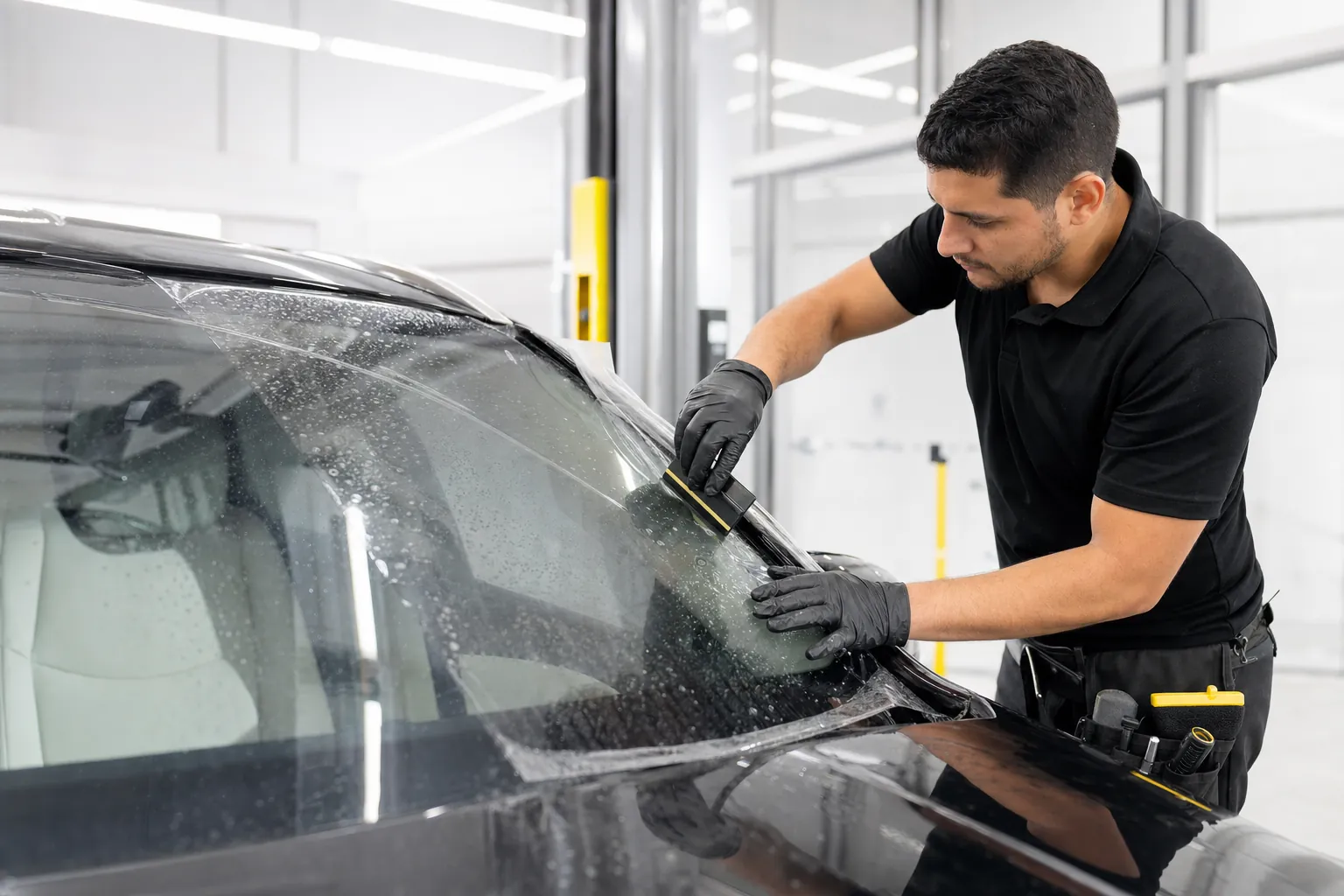
Sometimes people ask whether coating can be added on top of film to get both a sacrificial layer and a particular water behavior. The responsible answer is not a blanket yes. Product chemistry, film surface design, wiper performance, optical clarity, maintenance instructions, and warranty conditions all need to line up. Applying an unapproved product just because it sounds compatible can create a problem that is harder to diagnose later.
Start with the film system and installer guidance. Some film surfaces are already designed to manage water and everyday wear. In those cases, the question may not be “what else can I add?” but “how do I care for the surface I already have?” If a coating is being considered, ask whether it is approved for that film and what changes, if any, it makes to cleaning, replacement expectations, or warranty coverage.
Layering should never be used to chase an unrealistic promise. Two clear products do not add up to a windshield that cannot crack. The right outcome is a windshield that remains comfortable to see through, has a care routine the owner will actually follow, and has a clear path to inspection if anything looks wrong.
Care habits matter more than the sales pitch.
Whether you choose a coating, film, or neither, the everyday habits are familiar. Keep washer fluid appropriate for the season. Replace wiper blades when they chatter, streak, tear, or leave a persistent film in the driver’s view. Use clean, soft materials rather than abrasive pads or scraping tools. Address a fresh chip quickly instead of hoping a surface treatment will change what is happening underneath. These habits protect visibility on every windshield, not only one with an added product.
With a coating, follow the product’s cleaning and refresh guidance instead of assuming water behavior lasts forever. Road grime, weather, wipers, cleaning chemistry, and time all affect the surface. With film, follow the installer’s specific instructions. Ask when normal washing can resume, what tools and products are suitable, how to spot an edge concern, and when to come back for an inspection. A clear answer now saves unnecessary guesswork later.
Be wary of fixes that only look good in a quick video. A windshield is not a test panel. Anything that creates glare, haze, distortion, smearing, or an unpredictable wiper pattern is worth addressing. Drive in normal daylight after any service and pay attention to the driver’s view. If a concern appears, get a qualified opinion rather than adding another product in an attempt to cover it up.
Finally, keep the expectations in the right place. Road conditions can be harsh, and no film or coating removes the need for windshield repair or replacement when damage occurs. A useful product decision makes maintenance clearer and preserves confidence in the view ahead. It does not ask the driver to accept a compromised view in exchange for a marketing claim.
Five questions to ask before choosing either option.
- What problem am I solving? Name it plainly: wet-weather visibility, everyday cleaning, exposure to road debris, or preserving sound original glass.
- Is the windshield in good condition now? Address chips, cracks, serious pitting, haze, and damaged wipers before adding any treatment.
- What exact product is being proposed? Ask whether it is a glass coating, windshield-specific film, or something else entirely. Vague product names create vague expectations.
- What does care look like? Ask about cleaners, wipers, wash timing, inspections, expected wear, and what signs should prompt a return visit.
- What are the limits? A trustworthy professional can explain what the product is designed to help with without promising that it removes every risk from the road.
These questions also protect you from a bad comparison. If a seller talks about a coating as if it creates a thick impact barrier, or talks about film as if it makes glass invincible, slow the conversation down. The product choice should make the driving experience easier, not create more uncertainty about what you can safely see through.
What a good installer conversation sounds like.
A worthwhile consultation is specific without being pushy. The professional should ask how you use the vehicle, inspect the condition of the glass, and explain the difference between a treatment that changes water behavior and a film that creates a separate exterior layer. They should also be comfortable saying when neither choice is the right next step, such as when existing damage needs attention first.
You should leave knowing the exact product category, where it will be applied, what normal care looks like, and what its limits are. If the recommendation involves film, ask how the installer evaluates optical clarity after the work and what happens if the surface needs follow-up. If it involves a coating, ask how long the particular treatment is expected to perform in your conditions and how to maintain it without degrading the result.
The best advice is often calm and plainspoken. It does not need to make every driver afraid of the next pebble or promise a perfect windshield forever. It should help you make a proportionate choice for the roads you drive and preserve a clear view through the glass you already have.
How Impact Defense USA can help.
Impact Defense USA focuses on windshield-specific exterior protection for compatible, sound original glass. The useful first step is not an online guess about what your vehicle needs. It is an authorized installer who can look at the actual windshield, discuss road exposure and driving habits, explain the available film options, and keep clarity at the center of the decision.
If film sounds like the more relevant category after reading this comparison, review the windshield protection film overview, then use the installer locator to find a qualified professional. If your main need is simply rain shedding and easier cleaning, a coating conversation may be enough. Either way, the right answer starts with an honest description of the job you want the product to do.
Frequently asked questions
Is ceramic coating the same as windshield protection film?
No. A glass coating is a thin treatment intended to change surface behavior, particularly how water and grime release. Windshield protection film is a separate, replaceable layer applied over compatible exterior glass. They solve different problems, so the right choice depends on whether your priority is wet-weather maintenance or a sacrificial surface for everyday road exposure.
Can a ceramic coating prevent windshield chips?
A glass coating should not be bought with the expectation that it will stop every chip or crack. It is not a thick sacrificial layer. If small-road-debris exposure is the concern, discuss windshield-specific protection film with an authorized installer and keep expectations realistic about the limits of any protective product.
Can I put a coating on top of windshield protection film?
Only use products and care steps the film manufacturer or installer approves. A coating may change how the surface behaves, but compatibility, clarity, wiper performance, and warranty requirements matter more than adding treatments. Ask before layering products rather than experimenting on a critical viewing surface.
Which option is easier to maintain?
A hydrophobic glass coating may make routine cleanup and rain shedding feel easier. Film needs a care routine that protects its surface, including suitable cleaners and healthy wiper blades. In either case, replace worn wipers, avoid abrasive tools, and have haze, lifting, or damage assessed promptly.
Should I use either product on damaged glass?
No product should be used to hide or postpone attention to existing windshield damage. A chip, crack, haze issue, or compromised area deserves an appropriate inspection first. Protection decisions are most useful when the original glass is sound and the driver can still assess the road clearly.
Related posts
 What Is Windshield PPF? Can You Put It on a Windshield?What is windshield PPF? Learn how windshield-specific film differs from body PPF, when it may help, and what to ask before installation.How to Install Windshield Protection Film: What to ExpectHow to install windshield protection film, from glass inspection and preparation to fit, clarity checks, care, and installer follow-up.
 Windshield Film: Protection, Tint, and Coatings ExplainedWindshield film can mean several things. Learn the difference between protective film, tint, and coatings before you choose for your vehicle.