
Windshield Protection
Auto Windshield Protection Film: A Driver’s Guide
Auto windshield protection film explained: what it is, when it may fit, what to ask about clarity and care, and where its limits begin.

Auto windshield protection film is a category worth understanding before a salesperson, a social post, or a rock on the highway makes the decision feel urgent. It is a clear, purpose-built film applied to the exterior of compatible windshield glass. The practical idea is simple: put a replaceable surface between sound original glass and the small debris, weather, wiper contact, and day-to-day wear a vehicle encounters.
The right decision is more nuanced than the simple description. A windshield is where the driver looks through every mile. It may also sit in front of cameras, sensors, heating elements, or other vehicle-specific equipment. So the decision is not just whether a film can be installed. It is whether a particular vehicle, windshield condition, film system, installation process, and care plan make sense together.
This guide gives drivers a clear way to evaluate that question. It covers what windshield protection film is designed to do, what it cannot promise, the practical checks that matter before installation, and how to have a more useful conversation with an installer.
What auto windshield protection film is, and what it is not.
Windshield protection film is different from ordinary paint protection film. Body-panel film is chosen for painted surfaces, where appearance and paint preservation are the central concerns. A windshield film is chosen for a transparent viewing surface, where optical clarity, fit around curved glass, wiper interaction, and the way light passes through the surface all matter every day.
It is also different from a glass coating. A coating is a thin surface treatment that may be used for water behavior and easier cleaning. A windshield protection film is a separate, replaceable layer. Both can have a place in a vehicle-care conversation, but they should not be described as doing the same job. The site’s film versus ceramic coating guide explains that distinction in more detail.
Most importantly, neither category turns a windshield into an invincible surface. A film can be a reasonable way to address ordinary road exposure on compatible, sound glass. It cannot guarantee that a hard impact will not create damage, and it does not replace appropriate glass repair, replacement, or vehicle-specific procedures when those are needed.
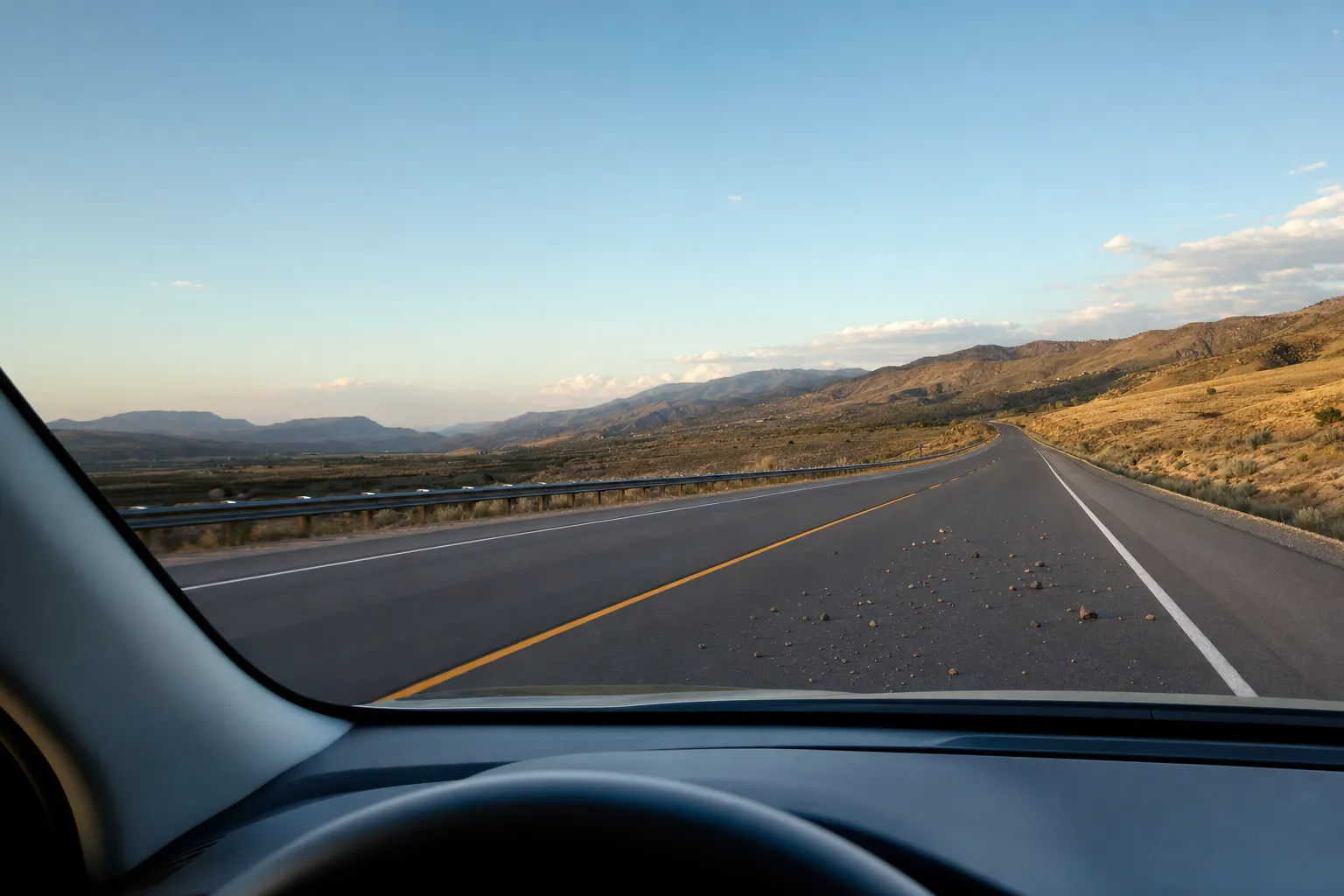
Start with the roads you actually drive.
The best use case is not a generic fear of road damage. It is a real pattern in the way a vehicle is driven. Frequent interstate miles, construction corridors, gravel routes, work sites, rural roads, following commercial traffic, and long road trips can all make small-debris exposure a regular part of ownership. In those conditions, a driver may reasonably want to discuss a sacrificial exterior surface before the original windshield takes more wear.
Other drivers may have a different answer. A vehicle used mostly for short, predictable city trips on well-maintained roads may not face the same exposure. If the real frustration is rain behavior or cleaning, a glass-treatment conversation may be more proportionate. A trustworthy recommendation should match the vehicle’s actual use, not turn every commute into a reason to buy the biggest possible add-on.
Before booking a consultation, think about three things: how often you follow trucks or travel through construction, whether you see loose aggregate or grit on your regular route, and how important retaining sound original glass is for the vehicle. Those answers make an installer conversation more useful than a broad claim about any product.
Clarity is the non-negotiable test.
A windshield is not simply another exterior panel. It is a driving-visibility surface. Federal glazing rules reflect that reality: the National Highway Traffic Safety Administration’s glazing guidance discusses light transmission, abrasion, haze, optical deviation, and distortion as relevant performance concerns. Those rules are not a shortcut for choosing an aftermarket product. They are a useful reminder that any modification of a viewing surface deserves a clarity-first approach.
In practical terms, a good consultation should address the exact film, the condition of the glass, the shape of the windshield, and how the installer will check the final result. Ask how the product is selected for windshield use rather than paint. Ask how the installer handles edges, curves, and any vehicle-specific areas. Ask what the proper next step is if you notice glare, haze, distortion, smearing, or a change in wiper behavior after service.
There is no benefit in trading a theoretical protection claim for an uncomfortable view. That is why a responsible installer will never treat clear vision as an afterthought, and why a driver should use normal daylight and nighttime driving to notice whether the windshield still feels natural to look through.
That final check is a practical one, not a laboratory test. On the first normal drive, notice how the film looks through changing light, at night, in rain, and with the wipers operating. A clean installation should not require the driver to “get used to” an obviously distracting view. If something feels wrong, stop trying to diagnose it with more products and return to the installer who performed the work. The windshield’s job is to give you useful information about the road, not to ask you to accept uncertainty.
Inspect the windshield before adding anything.
Protection decisions are usually most sensible when the original glass is sound. A spreading crack, a fresh chip, serious pitting, edge damage, haze, or an existing visibility problem should be assessed first. A new surface layer is not a way to hide a glass condition that deserves repair or replacement. It can make a later inspection more complicated and can create a false sense that the underlying issue has been solved.
Wiper condition belongs in the same conversation. Wipers that chatter, streak, tear, or leave a persistent film can make any windshield feel worse, with or without protection. Replacing worn blades and addressing a contaminated or scratched surface may be the right immediate step. Good vehicle care is often unglamorous, but it is more useful than adding layers to a problem that began with maintenance.
If the windshield has been replaced before, ask about the replacement glass and any vehicle-specific procedures. The goal is not to create unnecessary concern. It is to make sure the installer understands what is in front of them before recommending a product for a critical viewing surface.
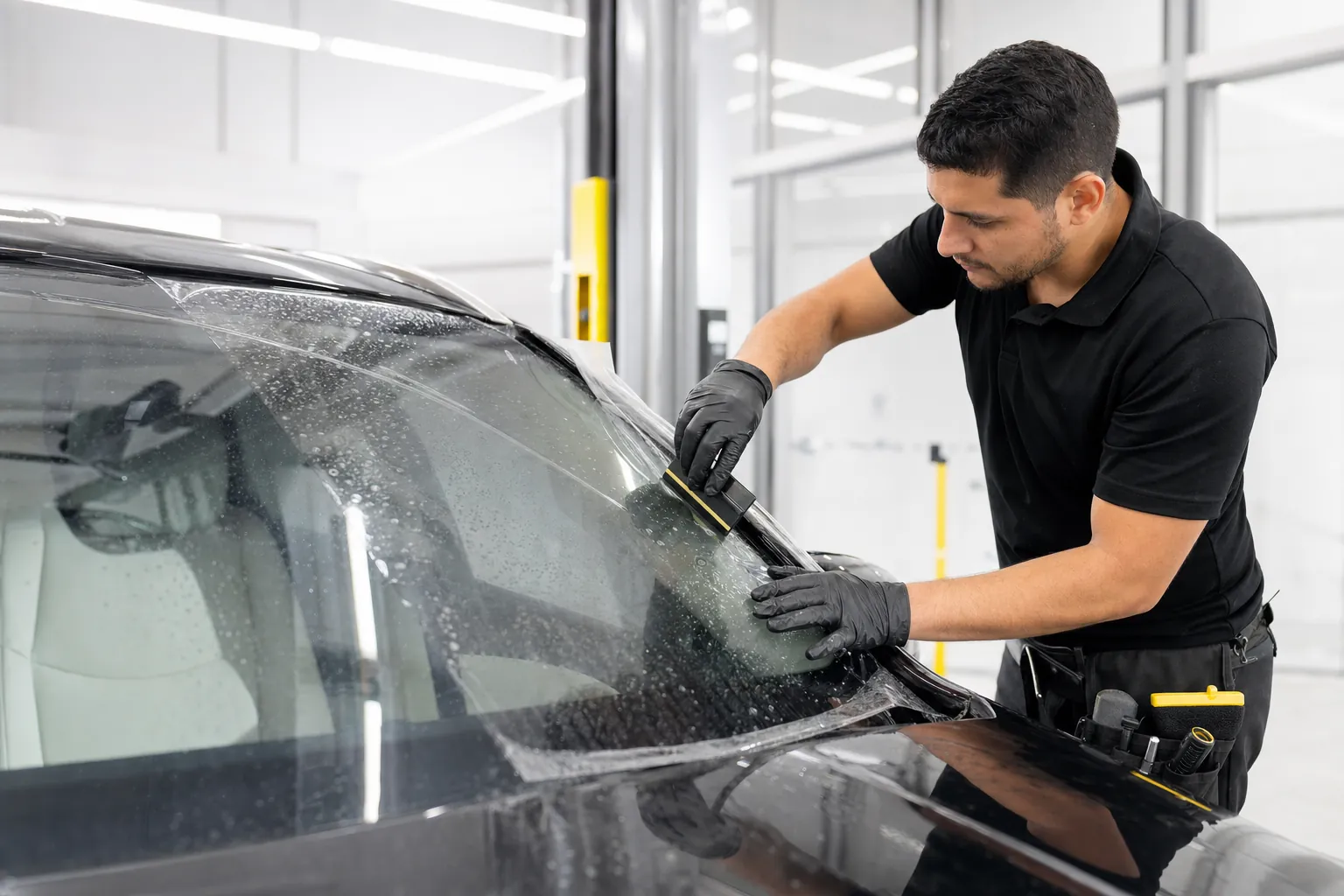
Vehicle technology makes a specific conversation worthwhile.
Many modern windshields are connected to more than the driver’s view. Depending on the vehicle, there may be cameras, sensors, heating elements, heads-up displays, or other equipment near or behind the glass. That does not automatically rule out windshield protection film, and it does not mean every vehicle needs a special process. It means generic advice has limits.
Ask the installer to discuss your make, model, and windshield configuration. If the vehicle has a camera or sensor area, ask what the product and installation process mean for that area. If glass service is ever needed later, follow the vehicle manufacturer’s and qualified glass professional’s guidance for scanning, calibration, repair, or replacement. A protection product is part of a vehicle-care plan, not a reason to skip those procedures.
Original glass can be worth preserving when it is sound and compatible, particularly on a vehicle with equipment integrated around the windshield. That is a preservation conversation, not a promise that every piece of glass can or should be saved. The right next step changes when damage affects safety, visibility, or the manufacturer’s required process.
What professional installation should include.
Preparation is not decorative work. The installer needs a clean surface and enough time to evaluate the windshield before fitting a film. Dust, residue, existing chips, or poor wiper condition can affect the result or make the vehicle a poor candidate. A good professional should be willing to explain what they find rather than rushing past the inspection.
The application itself should be deliberate around curves, edges, and the driver’s view. Once the film is in place, the conversation should not end with a quick handoff. Ask about normal settling, wash timing, approved cleaners, wiper expectations, warranty terms for the exact product, and the signs that should prompt a return visit. The windshield film installation guide offers a fuller walkthrough of what that process should feel like from the driver’s side.
Do not confuse a fast answer with a confident one. A clear recommendation can include “not yet,” “not for this glass,” or “address that chip first.” That honesty protects the customer and the installer’s reputation far better than treating every windshield as the same.
Care habits that protect the view.
After installation, care is about preserving the surface you chose and keeping the view ahead clear. Use the cleaning products and timing your installer recommends. Choose soft, clean materials instead of abrasive pads. Keep washer fluid suited to the season. Replace wipers when they are no longer clearing the glass smoothly. These are modest habits, but they affect day-to-day visibility more than most marketing language does.
It is also wise to avoid experimenting with coatings, polishes, blades, or chemicals that have not been approved for the film. A product that works well on bare glass is not automatically right for every film surface. If you want a particular water-beading effect or a new maintenance product, ask before applying it. The right answer may be simple, but it should come from the system and installer that will stand behind the work.
If you see lifting, haze, an unusual wiper pattern, or damage after an impact, arrange an inspection. Do not rely on a video fix or a heavy cleaner to mask the symptom. Early, qualified attention keeps a small concern from becoming a visibility problem or an unnecessary guess.
Seasonal changes are a useful time to review the basics. Heat, dust, bugs, road salt, pollen, and winter washer fluids all affect the windshield and the wipers that cross it. A quick inspection before a long trip, a change in weather, or a new season keeps care simple. Look for streaking, torn rubber, residue that will not clear, and any chip or edge issue that is getting worse. Prevention works best as a repeatable routine, not as one purchase that is supposed to end all future maintenance.
Five questions to ask before you commit.
- Is my windshield a good candidate? Start with sound glass, vehicle fit, and the real condition of the surface.
- Which exact product is proposed? Confirm that it is a windshield-specific film, not a vague description or a body-film substitute.
- What road exposure am I trying to address? Be specific about highway miles, gravel, construction, commercial traffic, or frequent trips.
- How will clarity be checked? Ask how the installer assesses fit, the driver’s view, and follow-up concerns.
- What care and limits come with it? Get the routine, warranty guidance, and an honest explanation of what no product can promise.
Those questions make it much harder for a product claim to outrun reality. They also lead to a better ownership decision. The goal is not to win a debate about films. It is to keep a clear, well-maintained windshield and make a sensible choice for the miles ahead.
How Impact Defense USA can help.
Impact Defense USA focuses on exterior windshield protection for compatible, sound original glass. An authorized installer can inspect the real windshield, discuss the driving conditions that matter, explain the available film options, and put optical clarity at the center of the recommendation. That makes the choice grounded in the vehicle in front of you, not a generic product claim.
To understand the product category further, start with the windshield protection film overview and the detailed windshield PPF guide. When you are ready for a vehicle-specific conversation, use the authorized installer locator to find a professional near you.
Frequently asked questions
What is auto windshield protection film?
Auto windshield protection film is a purpose-built, transparent exterior layer considered for compatible vehicle windshields. It is intended to be a replaceable surface between sound glass and ordinary road exposure. It is not the same as body paint protection film or a glass coating, and visibility must remain the first consideration.
Can windshield protection film stop every rock chip?
No. A film should never be presented as a guarantee against every chip, crack, or hard impact. It may be a sensible preventive layer for drivers who regularly face road debris, but damaged glass still needs appropriate inspection and repair or replacement when required.
Will windshield protection film affect visibility?
A windshield is an optical surface, so clarity, fit, clean installation, wiper condition, and proper care all matter. Discuss the vehicle and the exact film with a qualified installer, then pay attention to the driver’s view after installation in normal daylight and at night.
Can any vehicle use windshield protection film?
Not automatically. Windshield shape, glass condition, cameras or sensors, the available film system, and the installer’s assessment all affect suitability. An honest consultation can include a recommendation not to install film if the windshield is not a good candidate.
How do you care for windshield protection film?
Follow the installer’s care instructions, use suitable cleaners and soft materials, and replace worn wiper blades. Avoid abrasive pads, harsh scraping, or unapproved treatments. Have lifting, haze, unusual wiper behavior, or damage inspected rather than trying to cover it with another product.
Related posts
 What Is Windshield PPF? Can You Put It on a Windshield?What is windshield PPF? Learn how windshield-specific film differs from body PPF, when it may help, and what to ask before installation.
 How to Install Windshield Protection Film: What to ExpectHow to install windshield protection film, from glass inspection and preparation to fit, clarity checks, care, and installer follow-up.