
Windshield Protection
Windshield Protection Film Care: Keep Your View Clear
Windshield protection film care made simple: washing, wipers, weather, warning signs, and when to ask an installer for an inspection.
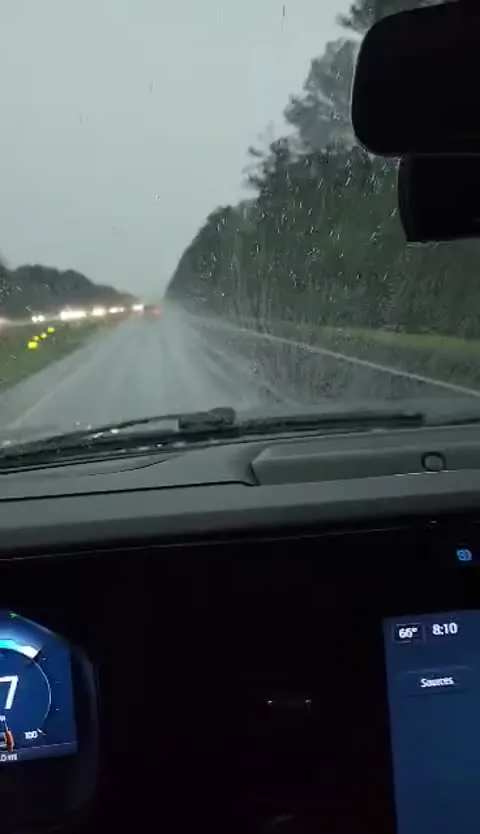
Windshield protection film is designed to be a replaceable exterior layer, but it still sits on the one piece of glass you look through every mile. Care is therefore less about making the film look perfect and more about keeping the view predictable, clean, and easy to assess. Good habits also help an installer distinguish normal surface wear from something that deserves attention.
The practical rule is simple: treat the filmed windshield as a different surface from bare glass. It meets road grit, bugs, weather, wipers, wash water, and cleaning products every day. That does not make care complicated. It means avoiding shortcuts that turn a little dirt or ice into unnecessary abrasion in the driver’s line of sight.
Your installer’s instructions for the exact film come first. Film systems and climates differ, and an installer can account for the vehicle, the condition of the glass, the product applied, and the way you drive. This guide gives you a dependable framework for the questions that come up between the installation appointment and the next inspection.
Start with the handoff instructions, not a generic cleaning routine.
After installation, ask for the care guidance in writing. Confirm the initial settling period, when washing and normal wiper use are appropriate, which cleaners are suitable, and who to contact if the view changes. The answer can vary by film, weather, and installation. For example, ExoShield’s current windshield-film guidance advises avoiding rain and wiper use for the first 48 hours when possible, while noting that its film can take longer to fully cure.
That does not mean every windshield film follows the same schedule. It means a fresh film deserves a little patience. Do not assume that a quick video, another vehicle’s advice, or a standard car-wash routine is the better authority. The shop that installed the product should be able to tell you what applies to your vehicle and what a normal early appearance looks like.
Use the same conversation to review the windshield itself. A protective layer is intended for compatible, sound glass. If there was a chip, crack, deep scratch, sensor concern, wiper problem, or a recent replacement before installation, keep that context in the vehicle’s records. It helps everyone evaluate a later concern accurately.
Rinse first, then clean gently.
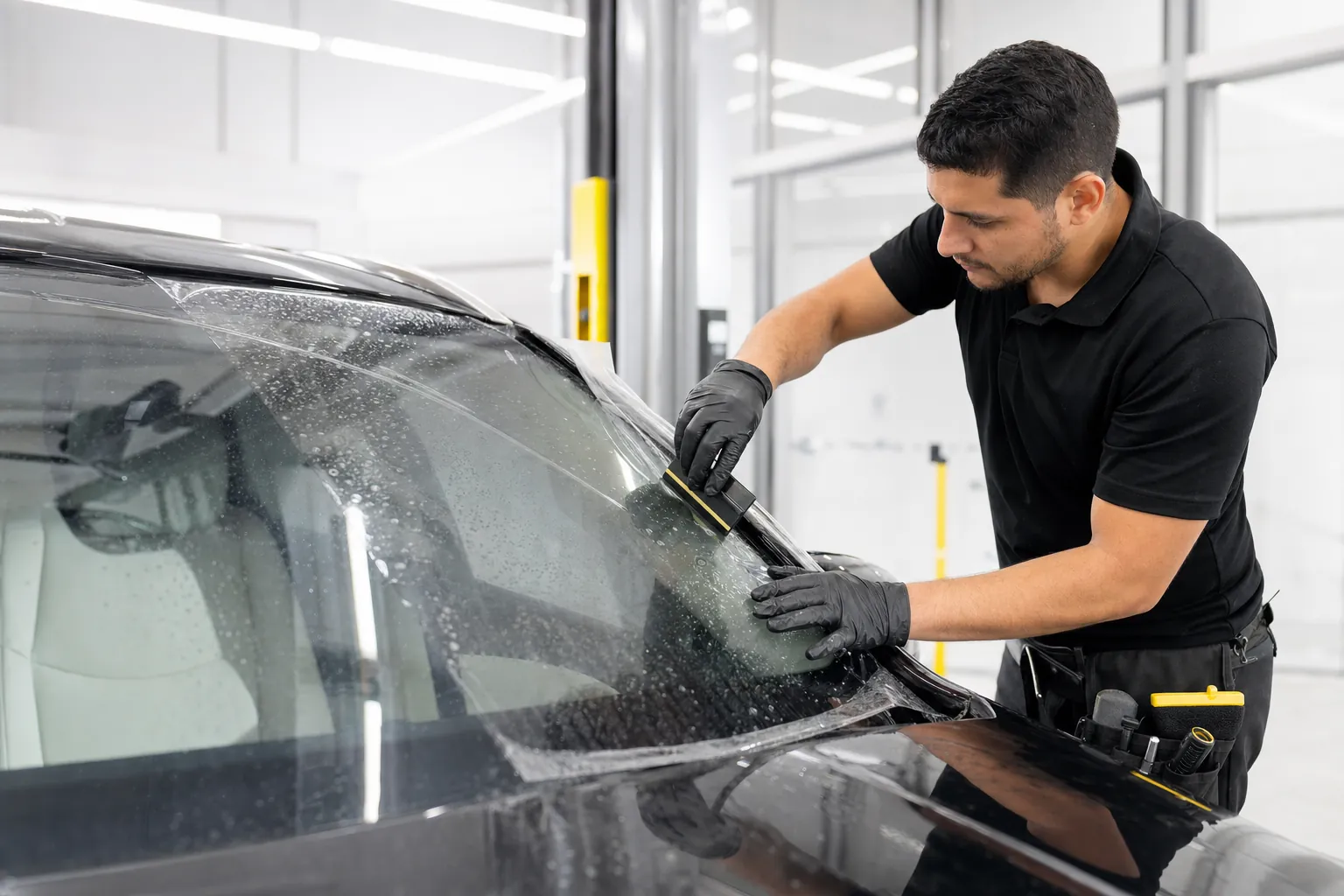
Road dust and fine grit are the enemy of an easy clean. Before wiping, rinse the windshield well enough to carry loose contamination away. A soft, clean microfiber wash mitt or towel is a better starting point than paper products, abrasive pads, or a dry cloth. The goal is to lift contamination off the surface, not grind it across it.
Choose a cleaner approved by the film installer. Manufacturer guidance commonly favors a gentle wash approach rather than aggressive chemicals. For instance, XPEL’s published windshield-film care guidance recommends hand washing with a soft microfiber mitt and thorough rinsing. It also gives product-specific advice for pressure washing, which is a useful reminder that distance, nozzle choice, and film edges matter.
Clean in good light when possible, then look through the windshield from the driver’s seat. A surface can look clean from outside while a haze, smear, or wiper pattern becomes obvious from behind the wheel. If ordinary gentle cleaning does not resolve what you see, stop escalating cleaners. A professional inspection is more useful than experimenting with a stronger product.
Give the wipers the same attention as the film.
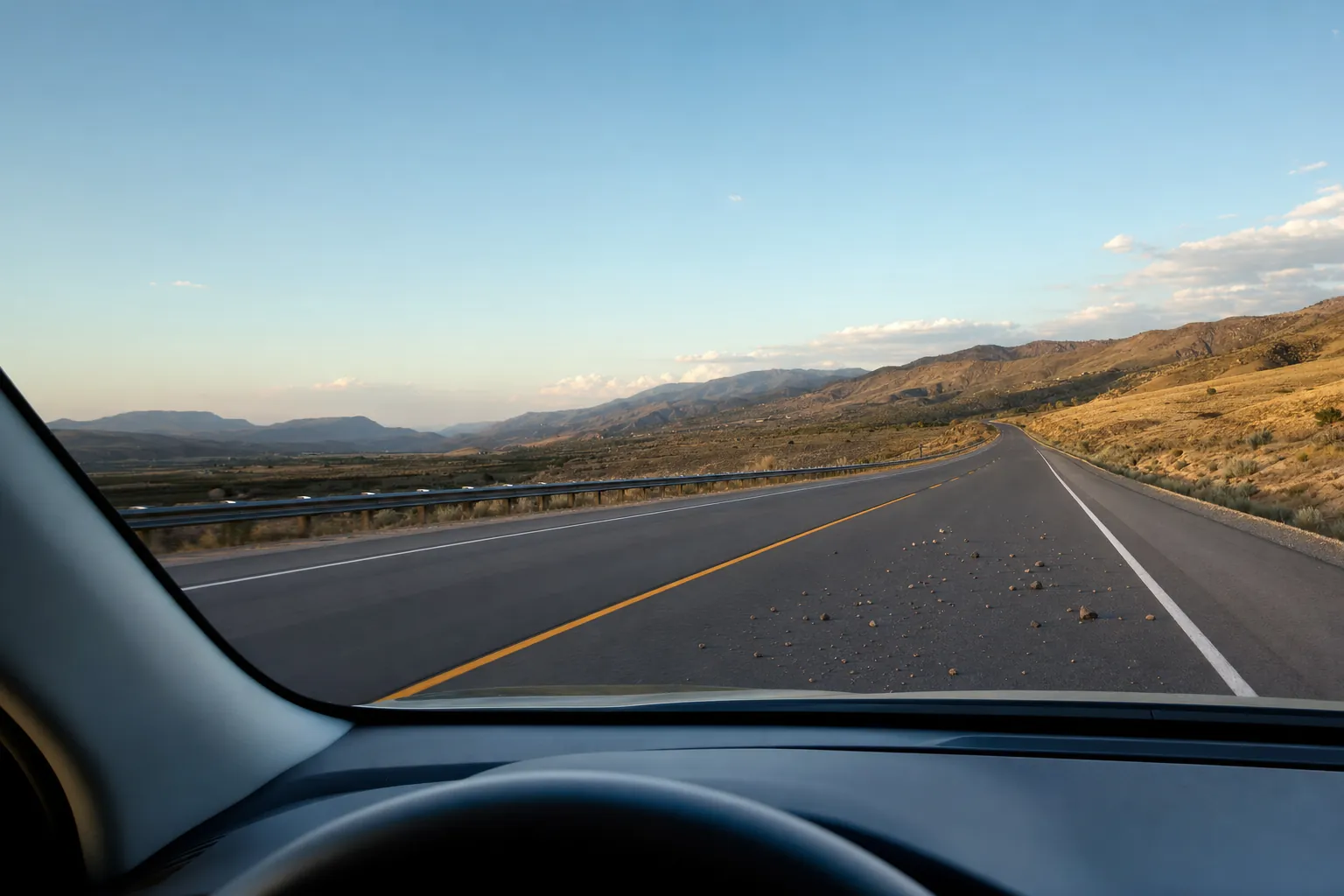
Wipers are one of the few things that repeatedly contact the same viewing area under load. Old rubber, trapped sand, dry wiping, or a blade that chatters can leave a pattern that becomes especially noticeable in rain, glare, or at night. Cleaning the windshield while ignoring the blades is like washing a camera lens and then rubbing it with a dirty cloth.
Check the blades before a long wet-weather drive. Look for split rubber, uneven pressure, streaking, chatter, or debris lodged along the wiping edge. Wipe the blade gently with a damp soft cloth when it is dirty, and replace it when normal cleaning no longer restores smooth wiping. Do not use the wipers to clear a dry, dusty windshield. Rinse first or use washer fluid as the vehicle manufacturer directs.
There is no single replacement interval that fits every vehicle. Climate, parking, driving distance, and the blade itself all matter. The useful standard is performance: a blade that skips, drags, or leaves a distracting pattern deserves attention before it repeatedly passes over a filmed windshield.
Plan ahead for weather, bugs, and winter.
Rain, road spray, insects, tree residue, and winter grime all ask more of the exterior windshield. Deal with contamination while it is still easy to remove, using the approved cleaner and gentle materials. Letting material bake on in sun or accumulate over repeated drives can make a simple wash more difficult, especially if the next step becomes scrubbing.
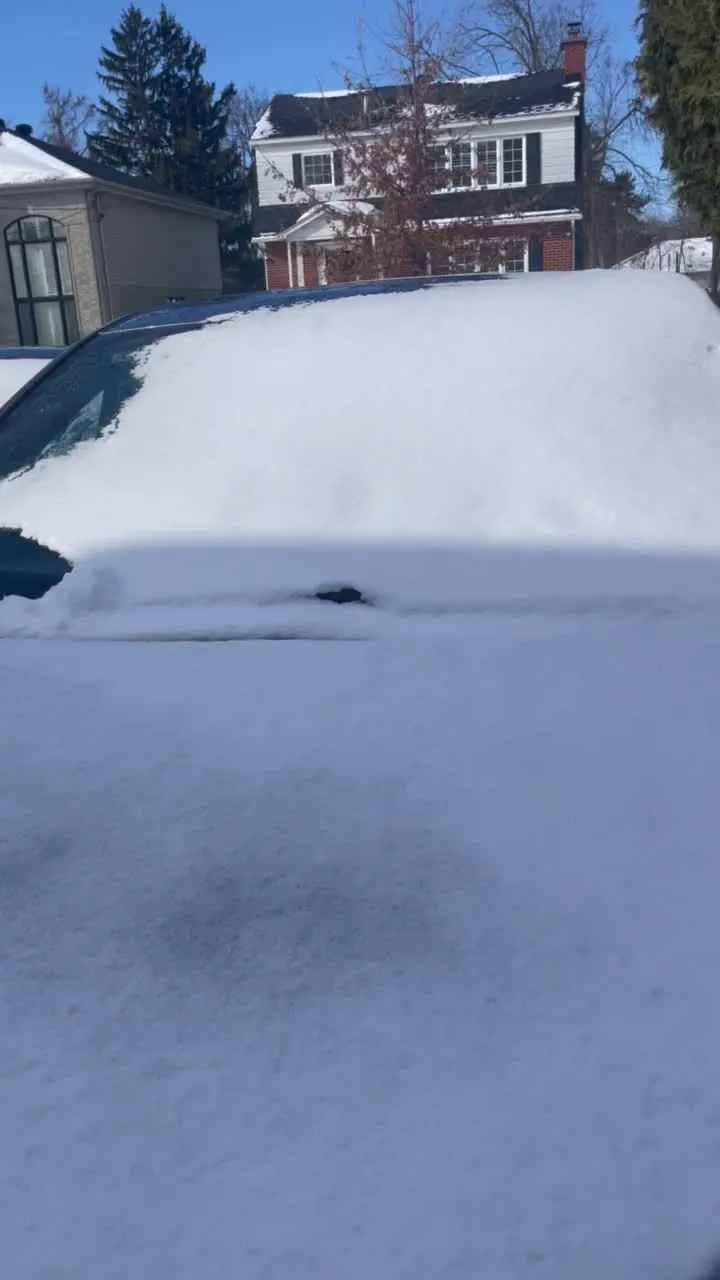
Winter deserves its own plan. Do not reach automatically for a metal scraper, and do not test harsh tools on an optically important surface. Different film manufacturers give different instructions for ice and snow, so ask the installer what is appropriate for the specific product. If a tool or method risks leaving a mark in the driver’s view, it is not a small cosmetic decision.
Pressure washers also call for judgment. Keep concentrated spray away from film edges unless the installer’s product directions say otherwise. A wash that is fine for paint or wheels may not be the right approach for an exterior film edge. When in doubt, a careful hand wash or touchless option is usually easier to control than a high-pressure pass at close range.
Know the difference between normal wear and a reason to call.
A sacrificial layer is exposed to the road, so it is not a promise that the surface will remain untouched forever. Small marks, pitting, or wear can be part of the reason a driver chose a replaceable protective layer in the first place. The question is whether the film remains clear and suitable for the driving task, not whether it has never met a piece of grit.
Arrange an inspection if you see a lifting edge, unusual haze, a deep scratch, persistent streaking after a careful wash, bubbling that does not settle as the installer described, or a change in visibility. Also call promptly if the glass itself has a chip, crack, or damage that may need a glass professional. Film does not repair damage and should never delay a needed windshield assessment.
Take a photo in safe, stationary conditions and note when you first noticed the change. That gives the installer a more useful starting point than a vague description weeks later. Avoid polishing, scraping, or applying an unapproved coating in an attempt to make the concern disappear. The right next step may be simple cleaning, a product-specific service, film replacement, or a separate glass recommendation, but that decision needs a clear look at the vehicle.
Build film care into normal vehicle care.
The easiest routine is not an elaborate ritual. At regular washes, rinse away grit, use the approved gentle method, check the wiper blades, and look through the windshield before driving away. Before a road trip or seasonal weather change, give the same surface a closer look. Those small checks can catch a worn blade or visibility concern before it becomes a distraction in bad conditions.
Care also starts with a realistic expectation. Windshield protection film is an added protective layer, not a guarantee against every impact, chip, crack, or service need. The site’s guide to what windshield protection film can and cannot do explains those limits. Keeping the film clean and the wipers healthy supports clarity, but it does not replace thoughtful driving or glass care.
If your road exposure, wiper wear, or current glass condition has changed since installation, ask an authorized installer to review the vehicle. The professional installation guide explains why inspection, fit, and a final view-through check matter at every stage of the film’s life, not only on day one.
How Impact Defense supports a clear-care plan.
Impact Defense is a professionally installed exterior windshield-protection film for compatible glass. The right care plan starts with the specific film, the actual windshield, and the driver’s conditions, not a one-size-fits-all claim. An installer can explain approved maintenance, assess a concern, and help decide when film service or a glass evaluation is the better next step.
For a first conversation about a vehicle, use the authorized installer locator. Bring the vehicle’s history, the driving conditions that matter most, and any question about current visibility. Clear answers are more valuable than a quick fix on the surface you rely on every day.
Frequently asked questions
How should I clean windshield protection film?
Start by rinsing away loose grit, then use a clean, soft microfiber material and a cleaner approved for the installed film. The installer’s directions for the exact film always take priority. Do not dry-wipe a dusty windshield or use abrasive pads, blades, or harsh solvents on the film.
When can I wash my vehicle after windshield film installation?
The answer depends on the exact film and installation conditions. Some manufacturers advise avoiding rain and wiper use for the first 48 hours, and describe a longer settling period. Follow the handoff instructions from the installer instead of using a generic timetable from the internet.
Can I use a windshield ice scraper on protection film?
Ask the installer about the exact film and your climate. Aggressive or metal scraping can mark a filmed surface. If ice or snow is a regular issue, have a plan for gentle removal before winter rather than testing a tool on the driver’s viewing area.
Why are my wipers important after film is installed?
Wipers repeatedly pass across the exterior surface. Worn rubber, trapped grit, dry wiping, or poor wiper performance can affect clarity faster than normal washing. Keep blades clean and replace them when they streak, chatter, split, or drag.
When should I have windshield protection film inspected?
Arrange an inspection promptly if you notice a lifting edge, unusual haze, a change in the driver’s view, deep marks, persistent streaking after normal cleaning, or a chip or crack in the glass. Film is not a substitute for glass repair or for an assessment of a visibility concern.
Related posts
 10 min readHow Long Does Windshield Protection Film Last? Key FactorsHow long does windshield protection film last? Learn what affects service life and when to ask an installer for an inspection.
 11 min readHow to Remove Windshield Protection Film SafelyHow to remove windshield protection film safely, what to avoid, and when a professional inspection is the smarter choice.12 min readHow to Install Windshield Protection Film: What to ExpectHow to install windshield protection film, from glass inspection and preparation to fit, clarity checks, care, and installer follow-up.