Windshield Protection
Do Windshields Have UV Protection? What Drivers Should Know
Do windshields have UV protection? Learn what front glass usually filters, why side windows differ, and how UV, tint, heat and windshield film compare.
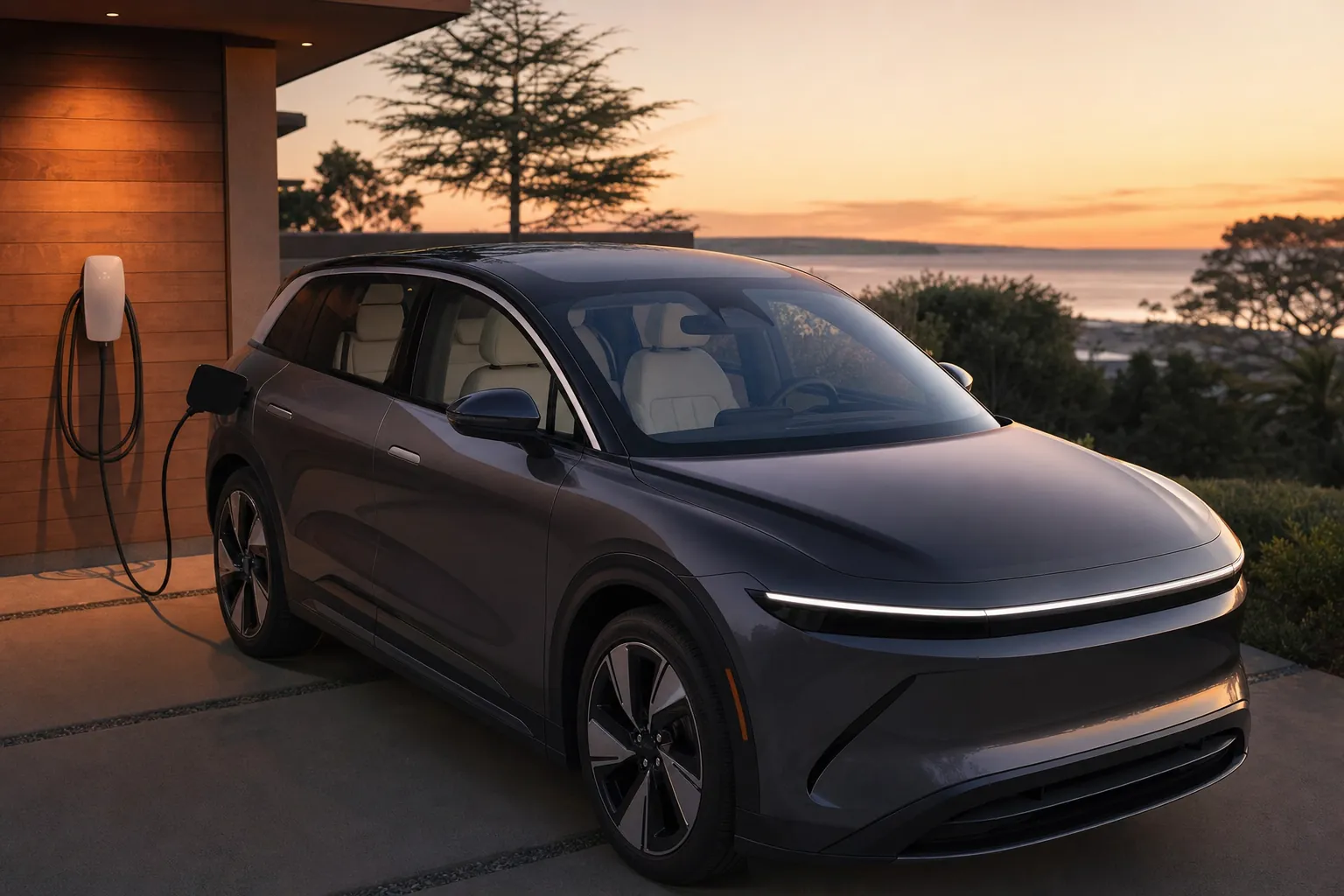
Most drivers do not think about ultraviolet light until they are stuck in bright sun, noticing a warm shoulder near the side window, or wondering whether a windshield already does the job. The short answer is encouraging: the front windshield in many modern vehicles is designed to filter a great deal of ultraviolet light. But that answer needs a few important qualifiers before it turns into a buying decision.
A windshield, side window, rear window, glass roof, dark tint, clear UV film, and exterior windshield-protection film all do different jobs. Treating them as interchangeable can lead to the wrong expectation about comfort, visibility, protection, or what is permitted on a particular piece of glass. This guide separates those questions so you can make a practical plan for the vehicle you drive.
Most front windshields start with meaningful UV protection.
Modern front windshields are commonly made as laminated glass: two layers of glass with an interlayer between them. That construction is important for safety, and it also helps explain why the front windshield often filters ultraviolet light more consistently than other automotive glass. In a 2016 JAMA Ophthalmology study of 29 vehicles, front windshields blocked an average of 96 percent of measured UVA, while driver-side windows varied much more.
That is useful context, not a universal certification for every vehicle. Glass specifications can vary by model year, market, replacement glass, windshield band, roof design, and manufacturer. A General Motors service bulletin, for example, states that the windshields covered by that bulletin reduce UV rays to four percent or less, while its other glass locations have different figures. The sensible takeaway is to confirm the vehicle-specific answer rather than assume all glass behaves alike.
UV protection is also separate from how clear the glass looks. A windshield can remain visibly clear and still filter much of the ultraviolet spectrum. Darker visible tint is not the only route to UV management, and it is not a substitute for knowing what glass and film are actually installed.

The side windows are usually the question mark.
The distinction matters because the driver and front passenger sit beside the side glass for long stretches of a trip. The American Cancer Society notes that typical vehicle windows block most UVB but can block less UVA. The Skin Cancer Foundation likewise explains that front windshields are laminated and treated to shield drivers from some UVA, while side, rear, and sunroof glass can use tempered construction that does not block UVA as effectively.
This does not mean every side window is poor at UV protection. It means performance can vary, and factory tint, privacy glass, coatings, and glass type are not all the same thing. A vehicle with a panoramic roof or a long daily commute in direct sun may deserve a more vehicle-specific conversation than a quick glance at how dark the glass appears.
For everyday health decisions, do not rely on vehicle glass as your only sun-protection strategy. The American Cancer Society recommends a broader approach, including shade, clothing, sunglasses, and sunscreen when appropriate. That remains true even if the vehicle has strong windshield performance, because people spend time outside the car and beside different glass surfaces.
That distinction is especially useful on a long commute. The windshield is in front of you, but the side window may be where afternoon sun reaches your arm, face, or eye. The direction of the route, the time of day, and where you sit all change the experience. A driver who is comfortable on a morning route may face a very different exposure on the trip home. Start by noticing which glass is actually involved before assuming the windshield needs to solve a side-window concern.
Passengers matter in the same way. Children in a rear seat, a frequent front passenger, or someone who spends long hours in a work vehicle may experience sunlight through a different window than the driver. If sun exposure is a priority for your household or team, map the question to each seating position. That simple step keeps an answer about the windshield from becoming an incomplete answer about the whole cabin.
UV protection, heat, glare, and tint are separate questions.
These terms are often used together, but they answer different needs. UV protection describes how much ultraviolet radiation a material filters. Heat rejection concerns solar energy and cabin comfort. Glare is about bright visible light in the driver’s field of view. Tint refers to visible light transmission, and the permitted level often depends on the state and glass location.
A clear UV-focused film on eligible non-windshield glass can have a different purpose from a darker tint. The Skin Cancer Foundation notes that a clear UV film can offer strong UV performance without relying on darkness, while state rules still matter for any vehicle glazing change. Before installing a product, check the rules that apply where the vehicle is registered and ask the installer to explain the intended use of the exact film.
This is also why a windshield deserves extra care. The driver’s view ahead is safety-critical, especially in rain, low sun, and at night. Do not assume a product intended for a side window or a painted panel belongs on the windshield. Use vehicle-specific guidance and a qualified professional when discussing any change to the front glass.
It is worth separating visual comfort from medical sun protection, too. Reducing glare can make a drive feel easier, but it does not tell you how a product performs against UVA or UVB. Likewise, a product with UV performance may remain nearly clear. Ask for the performance information that matches the problem you are trying to solve, then make sure the installation remains appropriate for the glass location and local law.
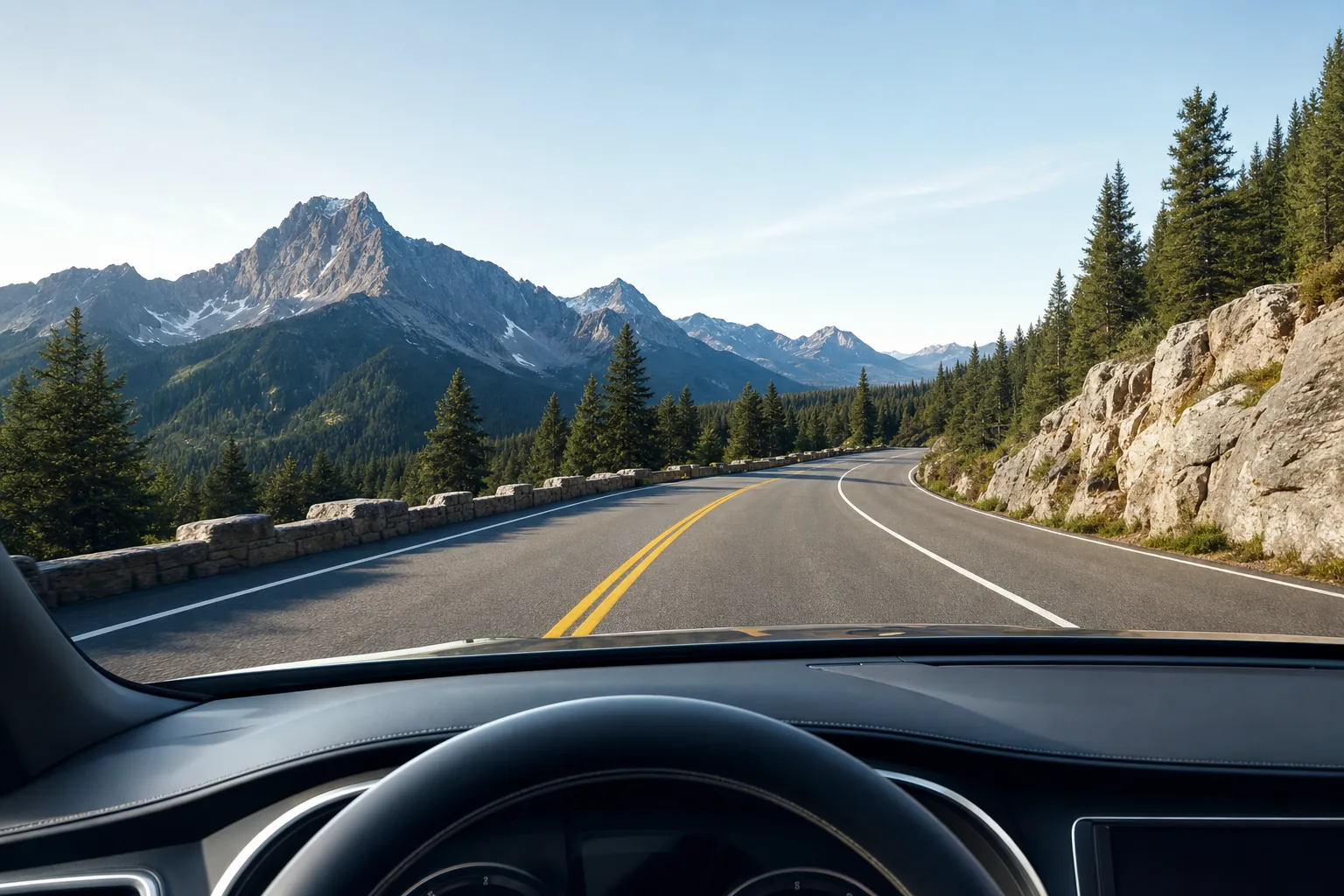
Where windshield protection film fits, and where it does not.
Windshield protection film is not the same product category as UV window film or tint. Impact Defense is a professionally installed, exterior protective layer for compatible windshield glass. Its role is to help take ordinary road exposure before that exposure reaches the original glass, while keeping optical clarity at the center of the decision.
That means its most relevant questions are about glass condition, road debris, wiper use, fit, visibility, and care. The site’s windshield protection film overview explains the core use case, and the guide to what windshield film can and cannot do covers its limits. It is an added protective layer, not a guarantee against every chip, crack, impact, or need for professional glass service.
For drivers also concerned with sun and comfort, the relevant question is not whether one product solves every issue. It is whether the vehicle’s front glass, side glass, driving conditions, local rules, and the exact film options fit together. A good installer can help keep that conversation clear instead of making a broad promise that does not match the vehicle.
How to get a useful answer for your vehicle.
Start with the owner’s manual, manufacturer, or dealer for the vehicle’s original glass specifications. If the windshield has been replaced, ask the glass provider what was installed. Replacement glass can be safe and appropriate, but it is still reasonable to confirm the glass specification rather than treating it as identical by assumption.
Then identify the actual concern. Is it UVA exposure through the driver-side window? Bright visible glare on a commute? Heat from a panoramic roof? Road debris on a high-mileage windshield? Each has a different best question and may require a different solution. Narrowing the concern is more useful than shopping by a broad label such as “UV windshield film.”
Finally, include the real-world variables: where the vehicle is registered, how it is driven, whether it has cameras or a heads-up display, the current condition of the glass, and any previous installation or replacement work. This is not bureaucracy. It is how you avoid treating an optically important surface as a generic piece of glass.
There is also no downside to asking an installer to say “this is not the right product for that goal.” That answer can save time and prevent a visibility issue. A credible recommendation identifies the exact surface, the exact concern, and the actual limits before it suggests a product. It does not make a windshield-film claim stand in for a side-window UV decision, and it does not turn a sun-comfort question into a promise about rock impacts.
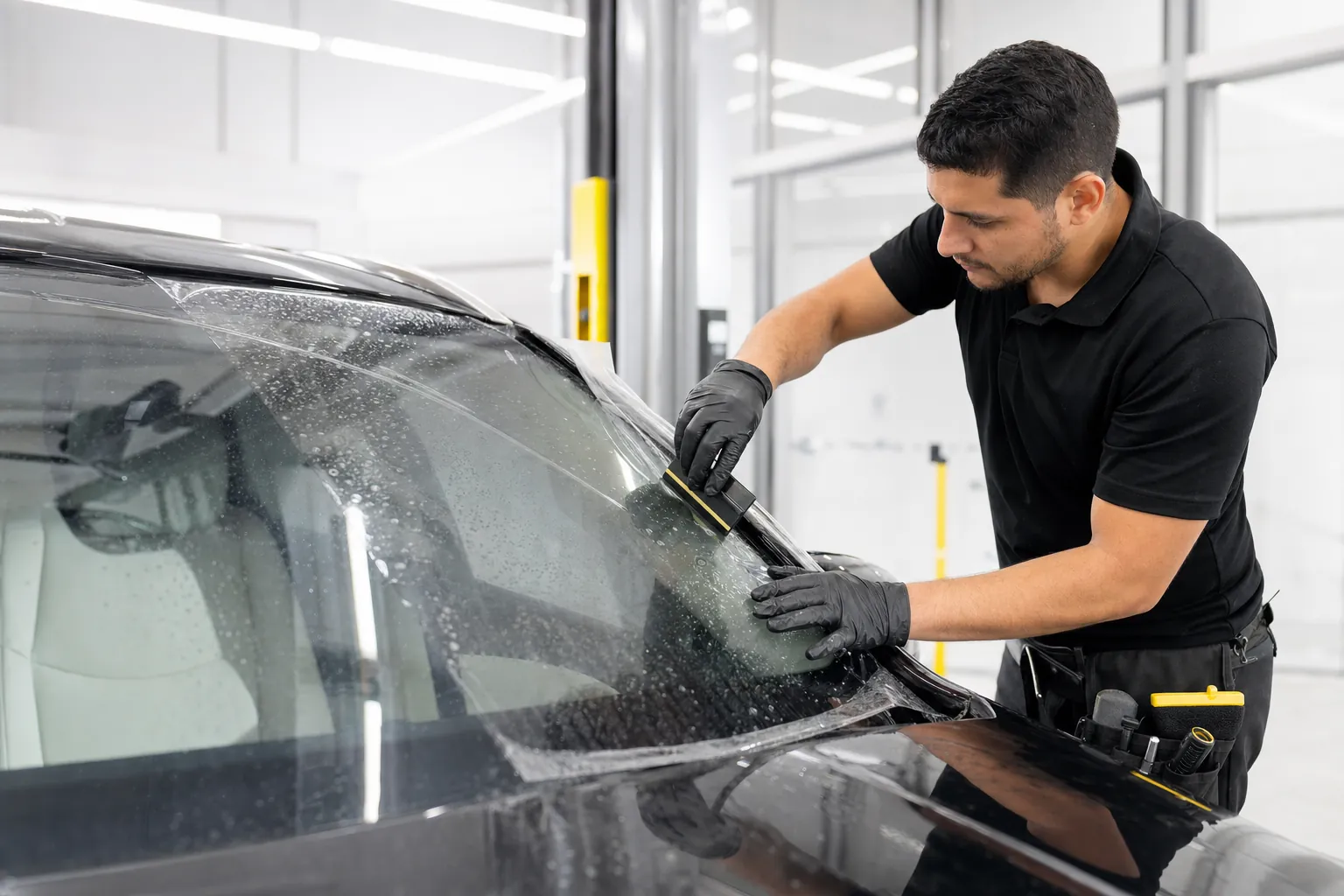
A practical checklist before adding any film.
Ask what the exact product is designed to do. If UV performance is the goal, ask for the product documentation and which glass location it is intended for. If heat or glare is the concern, ask how the product addresses those separately. If you are considering windshield protection, ask how the installer assesses glass condition, clarity, wipers, cameras, and care before starting work.
Ask about local rules before making a visible-glass change. Windshield and front-side-window rules can be stricter than rear-glass rules, and rules can differ by state. A responsible professional should not brush past that question. If a product is discussed for the windshield, its compatibility with your vehicle and legal use belongs in the conversation before any appointment is scheduled.
Keep expectations honest. Good front-windshield UV filtering does not remove the need for sun protection outside the vehicle. A clear UV film is not automatically the same as a windshield-protection film. And a protective windshield layer cannot repair damaged glass or replace a professional recommendation when a chip, crack, or visibility concern needs attention.
When you review options, keep the paperwork. The product name, installation invoice, care instructions, and any warranty material make a later question much easier to answer. They also help a future glass professional understand what is on the vehicle if the windshield needs service. Clear records are simple protection against confusion, especially when the vehicle has changed hands or has had prior glass work.
Talk with an installer about the glass you have.
Impact Defense USA helps drivers discuss a clear, exterior protective layer for compatible, sound windshield glass. For a vehicle that sees regular highway miles, road grit, construction zones, or long-distance travel, that may be a useful part of preserving the original windshield. It is not a replacement for UV advice that belongs to the vehicle’s glass specification, a health professional, or a product designed for a different window location.
Use the authorized installer locator to start a vehicle-specific conversation. Bring the make, model, windshield history, current glass condition, and the concern you actually want solved. Clear questions lead to a clearer recommendation.
Frequently asked questions
Do windshields have UV protection?
Most modern front windshields are laminated, and that construction generally provides strong ultraviolet protection. The exact performance still depends on the specific vehicle and glass, so an owner’s manual, manufacturer, or dealer is the best source for a vehicle-specific answer.
Do side windows protect as well as the windshield?
Not necessarily. Side, rear, and sunroof glass can use different construction from a laminated front windshield, so UVA protection may be lower or more variable. Check the specific vehicle before assuming every piece of glass provides the same protection.
Does darker window tint always mean better UV protection?
No. Visible darkness and ultraviolet performance are different measurements. A clear film can be designed for UV performance, while darker products can have different goals and must comply with local rules. Ask about the actual product and applicable law.
Is windshield protection film the same as UV window film?
No. Windshield protection film is an exterior protective layer for compatible windshield glass. UV window film is a separate product category, often discussed for side and rear glass. The intended surface, product construction, and legal considerations can differ.
Related posts
 12 min readCar Windshield Film: Protection vs. Tint vs. CoatingsCar windshield film is not one product. Compare windshield protection film, tint, and coatings so you can choose the right option for your vehicle.
 16 min readWindshield Protection Film vs. Ceramic Coating: Key DifferencesCompare windshield protection film and ceramic coating for road debris, rain, care, clarity, and the limits that matter before choosing either.
 14 min readAuto Windshield Protection Film: A Driver’s GuideAuto windshield protection film explained: what it is, when it may fit, what to ask about clarity and care, and where its limits begin.