Windshield Protection
Windshield Film: Protection, Tint, and Coatings Explained
Windshield film can mean several things. Learn the difference between protective film, tint, and coatings before you choose for your vehicle.
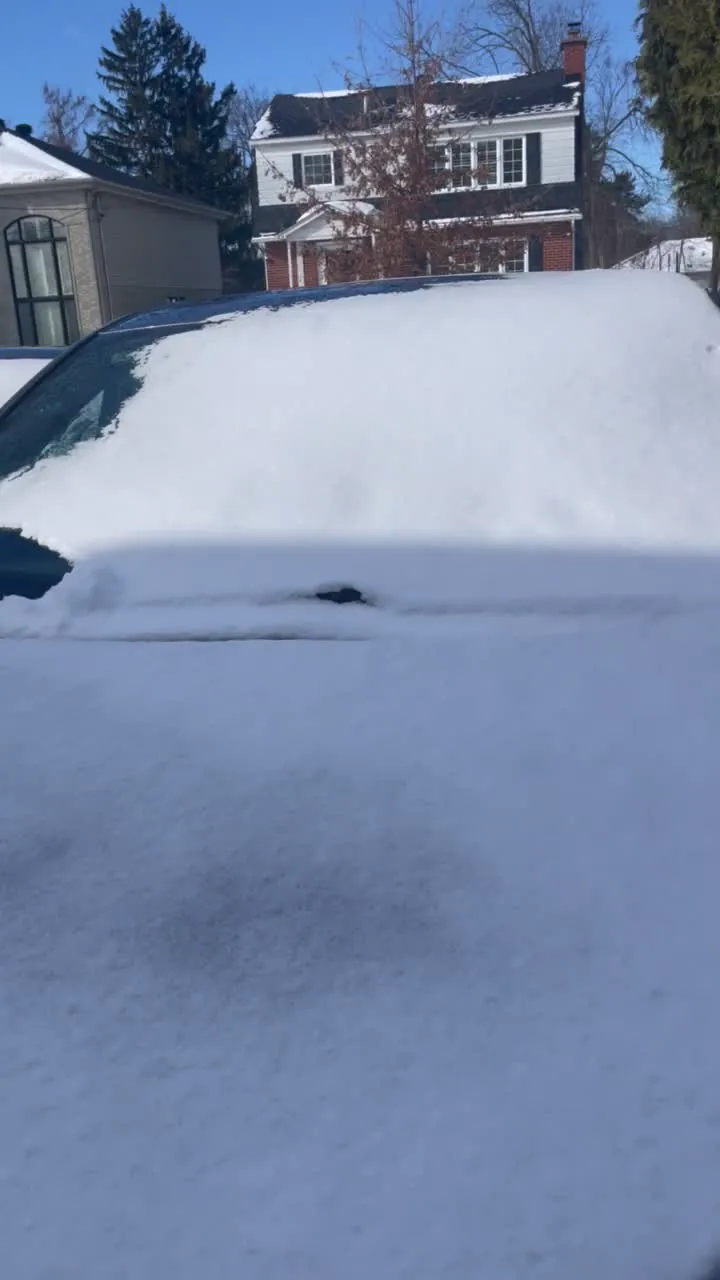
“Windshield film” sounds simple, but it can describe several very different products. A driver may be asking about a clear layer that helps protect exterior glass from road debris, a tinted film meant to manage sunlight, or a coating that changes how water behaves on glass. Those products are not interchangeable, especially when the surface in question is the one you look through every mile.
The useful first question is not which product sounds toughest. It is what job you need it to do. If your concern is grit, highway debris, and preserving sound original glass, you need a different conversation than someone trying to reduce cabin heat or make rain bead away. This guide separates the terms, explains what to ask, and keeps optical clarity at the center of the decision.
Windshield film is a broad term, not one product.
In everyday conversation, “windshield film” can be shorthand for any thin material added to glass. That shortcut can create trouble because a windshield is not a painted hood, a phone screen, or a side window. It is a curved safety-glass surface in the driver’s line of sight, often near cameras, sensors, heating elements, or a head-up display.
Three categories commonly get grouped together. Windshield protection film is a transparent sacrificial layer applied to the exterior of compatible automotive glass. Window tint is generally a solar-control or appearance product, with rules that vary by location. A water-repellent coating is a surface treatment, not a separate protective layer. Each can have a useful role, but each should be evaluated for its own purpose.
That distinction matters when you compare quotes or product claims. Ask the installer to name the exact product category, where it is installed, what it is designed to handle, and what it cannot promise. A clear answer is a good signal that the conversation is centered on the vehicle and the driver, not just a generic add-on.
What windshield protection film is designed to do.
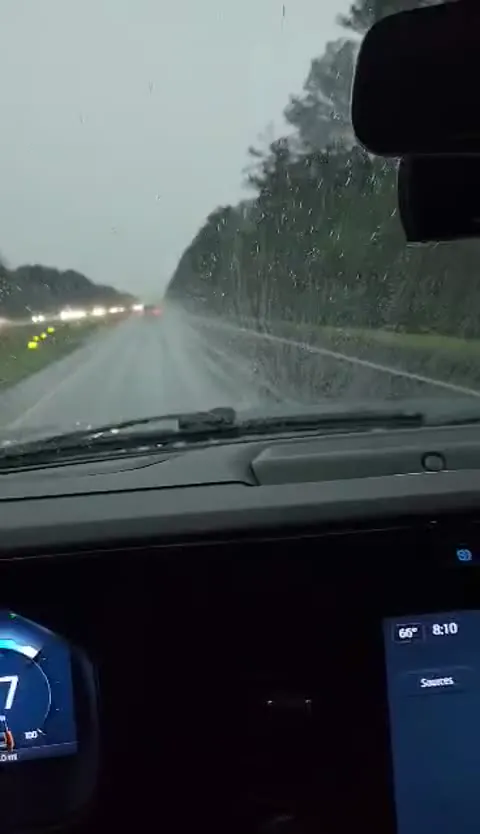
Windshield protection film is made to be a replaceable exterior surface for compatible windshield glass. The practical idea is straightforward: everyday road exposure meets the film first. Small stones, sand, road spray, weather, and ordinary wiper contact are part of the environment a windshield sees. A protective film is intended to help the original glass avoid some of that cumulative exposure.
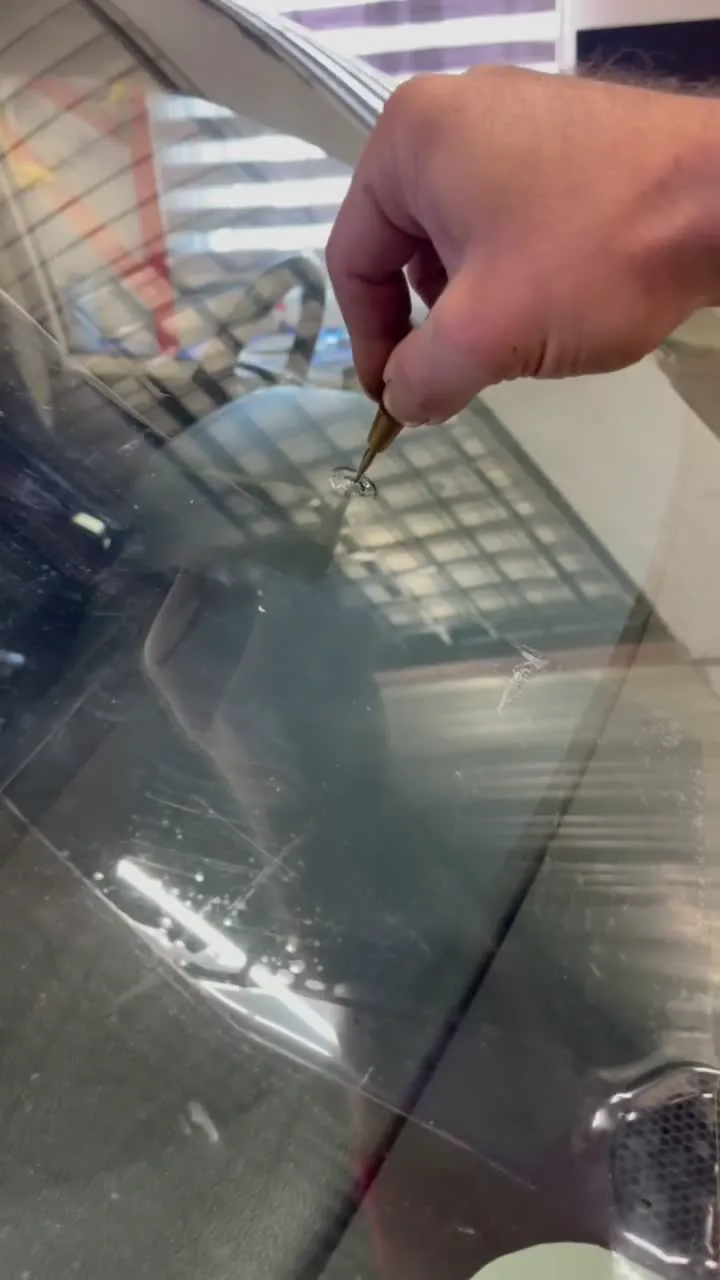
It is better to think of the film as a sacrificial layer than a force field. It cannot guarantee that every rock strike, deep chip, crack, or hard impact will leave the glass untouched. It also cannot repair existing damage, erase deep scratches, or make compromised glass safe. A chip, crack, haze, damaged seal, or change in visibility deserves proper assessment before any film is considered.
Because the film sits in the visual path, installation and follow-up are inseparable from the material itself. The glass should be clean and sound. The installer should understand the vehicle and its windshield equipment. The handoff should include a view-through check from the driver seat, care guidance, and a clear answer about when to return for an inspection. Our professional installation guide walks through that process in more detail.
Protective film and window tint solve different problems.
Window tint is often discussed as “film,” which is where the confusion begins. Tint is commonly chosen to reduce solar exposure, manage glare, support privacy, or change the look of side and rear glass. Windshield protection film is selected around exterior-glass protection, optical clarity, the wiper path, and the road hazards a vehicle meets.
That does not mean every clear windshield product is automatically appropriate. The National Highway Traffic Safety Administration explains that glazing required for driving visibility is subject to light-transmittance rules, and state laws can add their own limits for vehicles in use. Before any windshield-related film decision, an installer should consider the vehicle, local rules, visibility, and the exact product rather than treating a clear description as a compliance claim.
If heat reduction is your primary concern, ask about the film option and its intended performance without assuming that a tint product and a windshield-protection product do the same job. If preserving sound original glass from routine road exposure is the priority, start with windshield protection film options made for that exterior application.
Coatings can help with water, but they are not a film.
Water-repellent glass treatments are another source of confusion. A coating can make water bead and move across glass differently, which can be helpful in wet conditions. It may also make routine cleaning feel easier. But a coating is a treatment on the surface, not a distinct sacrificial sheet designed to take the place of the glass when road debris makes contact.
That difference is important when a driver is comparing protection claims. A coating may support visibility in rain. It does not turn a windshield into a debris-resistant surface on its own, and it should not be sold as a substitute for necessary glass repair. The right comparison is not which option is “better” in the abstract, it is which option matches the problem you want to solve.
Also consider maintenance. Wiper blades, cleaning habits, road grit, climate, and the existing condition of the windshield all affect the experience of any exterior-glass treatment. Replacing worn wipers and avoiding abrasive tools are sensible steps whether you choose a coating, a protective film, or neither.
Keep visibility and vehicle fit ahead of every claim.
A windshield is a critical viewing surface. That is why any choice about it should begin with clarity, not with an aggressive promise about protection or a dramatic before-and-after. Check the glass before the appointment. Share the vehicle year, make, model, windshield history, and any known cameras, sensors, heating elements, or head-up display. Those details help an installer decide whether the windshield is a good candidate and how to approach it.
After installation, look through the windshield from the driver seat in normal daylight. Scan the central view, edges, and wiper path. Ask about any haze, distortion, lift, unusual mark, or wiper behavior. If the windshield already has a crack or visibility concern, pause the film conversation and follow the vehicle manufacturer’s and qualified glass professional’s guidance first.
It is also worth separating a product decision from an insurance or safety promise. No film eliminates the need for safe driving, timely repair, proper wiper care, or a response to a damaged windshield. The most dependable outcome is one that preserves a comfortable, clear view while making realistic use of a protective layer.
A practical checklist before you choose.
Bring the decision back to your vehicle and your miles. Drivers who regularly travel highways, construction zones, gravel shoulders, rural roads, or other debris-heavy routes may have a different risk picture than a lightly driven vehicle. The condition and value of the original windshield matter too, particularly when it includes integrated technology that can make replacement more involved.
Ask an authorized installer these questions: Is my windshield sound and compatible? Is this product made for exterior windshield glass? What does it do in the driver’s field of view? What care does it need? How will you inspect the final result? What should prompt a follow-up visit? Those questions make it easier to compare thoughtful recommendations rather than comparing a single price.
Impact Defense USA helps drivers explore a windshield-specific, professionally installed option for compatible glass. The goal is not to sell a universal answer. It is to help preserve sound original glass while keeping a clear, confident view through it. When you are ready for a vehicle-specific conversation, use the authorized installer locator to find a local professional.
Before you book, take a few photos of the windshield in good light and note any prior repair, replacement, or wiper issue. That small amount of context helps the installer begin with the actual glass in front of them. A careful recommendation may be film, a different treatment, a repair conversation, or simply waiting. Clear judgment is more valuable than a rushed add-on.
Frequently asked questions
Is windshield film the same as window tint?
No. Window tint is usually chosen for solar control, privacy, or appearance. Windshield protection film is a clear exterior layer intended to help a compatible windshield handle ordinary road exposure. A windshield is a primary viewing surface, so a driver should never assume that a product made for side glass or a body panel is appropriate for it.
Can a windshield coating stop rock chips?
A coating can change surface behavior, such as how water beads or how easily grime releases, but it is not the same as a sacrificial protective film. If your main concern is the impact of small road debris, ask specifically what the product is designed to do, how it is installed, and what its limits are.
Does clear windshield film affect visibility?
A quality windshield-specific film on compatible glass should put optical clarity first, but visibility still needs to be checked. Review the windshield from the driver seat in normal daylight and speak up about haze, distortion, edge lift, or a wiper-related concern. Damaged glass should be assessed before film is considered.
Can I put paint protection film on my windshield?
Do not assume body-panel paint protection film belongs on a windshield. Windshield protection calls for a product and installation approach made for exterior automotive glass, curved surfaces, wiper use, and the driver’s field of view. Our windshield PPF guide explains the distinction in more detail.
How do I choose the right windshield film?
Start with your vehicle, current glass condition, and the roads you drive. Then ask an authorized installer about compatibility, optical clarity, the exterior surface, care requirements, and what happens if the film eventually needs inspection or replacement. The best choice is the one that protects the driving experience, not just the sales pitch.
Related posts
 What Is Windshield PPF? Can You Put It on a Windshield?What is windshield PPF? Learn how windshield-specific film differs from body PPF, when it may help, and what to ask before installation.
 Does Windshield Protection Film Work? What It Can and Cannot DoDoes windshield protection film work? Learn where it can help, its limits, and when an installer should assess your glass.
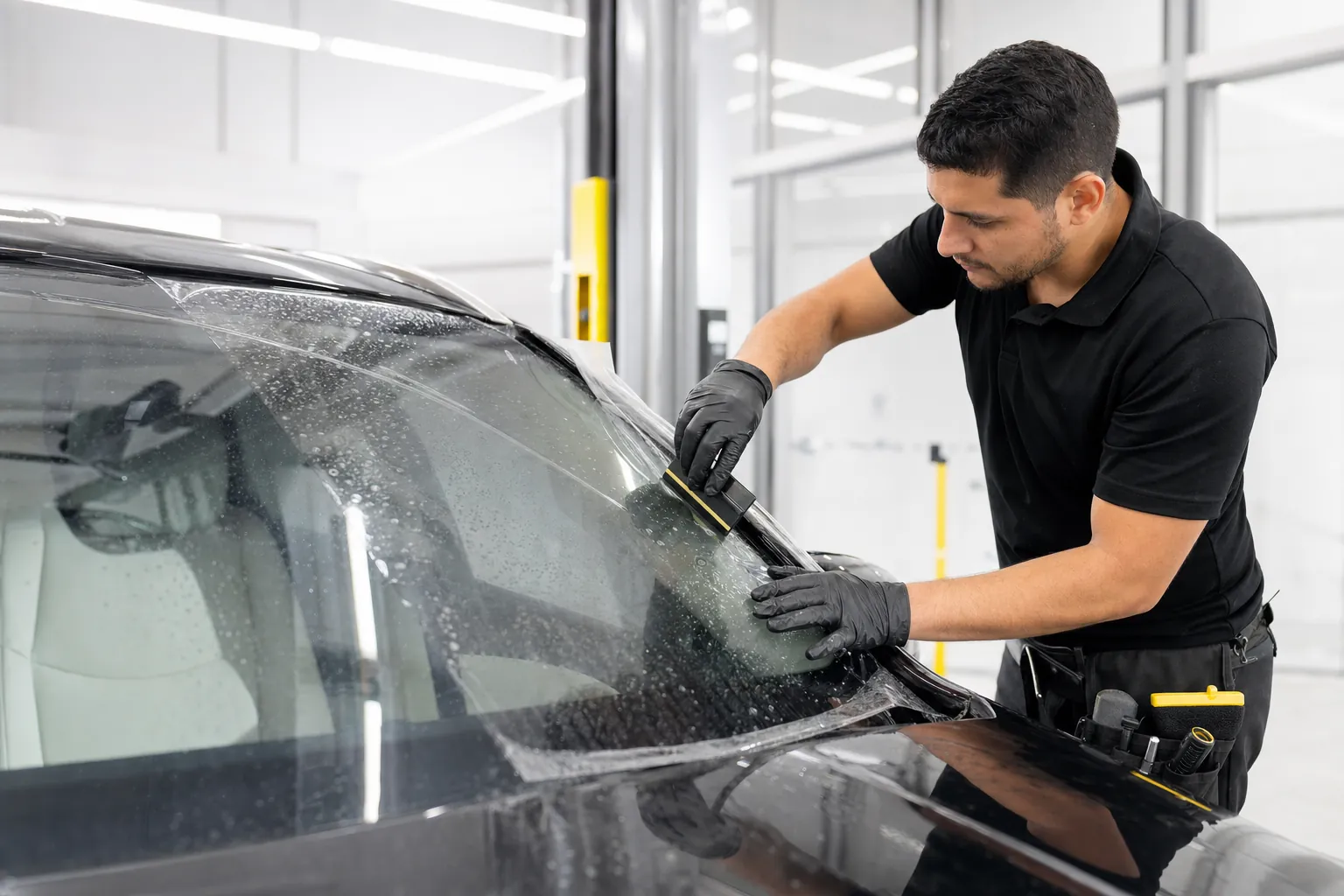 How to Install Windshield Protection Film: What to ExpectHow to install windshield protection film, from glass inspection and preparation to fit, clarity checks, care, and installer follow-up.