
Windshield Protection
Windshield Delamination: Signs, Causes, and Next Steps
Windshield delamination can look like a cloudy edge or milky band. Learn what it means, what it is not, and when to arrange an auto-glass assessment.

A windshield can look perfectly normal from a few feet away, then show a cloudy band or milky edge when sunlight hits it at the right angle. That appearance can be unsettling, especially when it seems to sit inside the glass rather than on the surface. One possible explanation is windshield delamination, a condition involving the layers that make up laminated automotive glass.
Delamination is not the same as a rock chip, a crack, a worn wiper mark, or a film of grime. Those conditions can look similar in a driveway photo, but they do not have the same cause or the same next step. This guide explains the basic structure of a windshield, the signs worth noting, the differences that matter, and why an auto-glass assessment is usually the most useful move.
What windshield delamination means.
Most front windshields are laminated. They are made from two layers of glass with a plastic interlayer bonded between them. That layered construction is one reason a windshield behaves differently from a side window when it is damaged. It also plays a role in the windshield’s broader safety function. Federal windshield-retention requirements are intended to support the penetration-resistance and occupant-retention role of the windshield during a crash, as described in Federal Motor Vehicle Safety Standard No. 212.
Delamination describes a loss of bond between glass and the interlayer. Depending on the cause and location, it may appear as a hazy, whitish, yellowed, bubbling, or milky-looking area. It is often noticed near an edge, but the right diagnosis depends on the actual vehicle and glass. The key point is that the visual change may be happening within the laminated construction, not simply on the outer surface where normal cleaning can reach it.
That distinction matters because a windshield is not just a clear panel in front of the driver. The Auto Glass Safety Council notes that automotive glass, especially the windshield, is an important part of a vehicle’s safety envelope. A visibility or glass-construction concern deserves an informed inspection, not a guess based on a single online image.

Signs worth paying attention to.
The most common description is a cloudy edge that does not wipe off. Some drivers notice an irregular pale band near the perimeter. Others describe a foggy patch, a rippled appearance, or small areas that look as if moisture is trapped inside the glass. The appearance can become easier to see in low sun, when the glass is wet, or when the vehicle is viewed from an angle.
Those descriptions are useful observations, not a diagnosis. Write down where you see the change, whether it is growing, and whether it enters the driver’s direct view. Notice whether there is also wind noise, a water leak, loose exterior trim, an old repair, or a prior windshield replacement. Those details give an auto-glass professional a clearer starting point and can help separate an issue within the laminate from a concern around the molding or installation.
If the condition affects your view, do not wait for a perfect label before making the call. The practical threshold is simple: if the windshield is harder to see through in the conditions where you drive, it is time to have it assessed. That is especially true around camera, rain-sensor, heating, and display areas, where an apparently small problem may need vehicle-specific attention.
What delamination can be mistaken for.
A cloudy windshield edge is not automatically delamination. Surface contamination can leave a film that becomes visible in glare. Hard-water spotting, interior haze, old adhesive, damaged molding, tint, scratches, or a defect in trim can also change the way the edge looks. A careful cleaning can remove surface residue, but it will not tell you everything about what is happening beneath the glass surface.
Windshield pitting is another common point of confusion. Pitting is cumulative surface wear from fine road grit and debris. It usually appears as many tiny marks across the glass and is often most distracting in low sun or oncoming headlights. Delamination more often presents as a localized internal-looking change. The site’s windshield pitting guide explains that difference in more detail.
A chip or crack has its own pattern. A chip is usually tied to one impact point. A crack is a line or branch that can travel away from an impact or stress area. For those concerns, location, visibility, and the character of the damage matter as much as size. The windshield crack assessment guide explains why a qualified professional should evaluate the whole picture instead of relying on a single measurement.
Why cleaning and polishing are not a diagnosis.
It is sensible to start with a careful clean, because residue can make a healthy windshield look worse than it is. Rinse away loose grit first, use products intended for automotive glass, and work with clean microfiber towels. Clean both sides of the windshield, since interior film and exterior road contamination can both affect glare. If the appearance disappears completely, you have learned something useful.
What you should not do is escalate quickly to harsh pads, scrapers, or aggressive polishing compounds. Polishing removes material. On a curved windshield in the driver’s primary viewing area, an uneven process can introduce distortion or fine scratches. A DIY treatment that makes the surface temporarily look different does not confirm that the laminated bond is sound, and it can make a later assessment harder.
Resin repair is also a different conversation. It may be appropriate for some specific, contained impact damage, depending on the condition and location. Delamination is not simply a void that can be filled from the outside. The Auto Glass Safety Council’s consumer guidance emphasizes that safe repair and replacement require the right procedures and materials. Ask a qualified technician what the condition is before accepting a product claim that promises to restore every type of windshield defect.
What to tell an auto-glass professional.
You do not need to arrive with a technical diagnosis. A few clear observations go a long way. Note when you first noticed the change, whether it has spread, and the driving conditions in which it is most visible. Mention water intrusion, whistling, loose trim, a previous replacement, collision work, or any recent glass service. Take a photo if it helps show the location, but do not let a phone image decide whether the glass is safe.
Share the year, make, and model, along with any features near the windshield: driver-assistance cameras, a rain sensor, a heads-up display, heating elements, or aftermarket accessories. If the windshield has been replaced before, say so. Those details can affect how a shop assesses the vehicle and explains a replacement path if one is recommended.
Ask direct questions: What are you seeing? Is the issue on the surface, within the laminate, or around the installation? Does it affect visibility or a vehicle feature? What are the safe options for this vehicle? A good answer will be specific to the windshield and will not turn a visibility concern into a generic sales pitch. The Auto Glass Safety Council’s consumer resources are a useful reference for why proper procedures and qualified service matter.
A simple observation checklist before your appointment.
A short, calm inspection can make the service conversation more productive. Park safely and look through the clean windshield in shade, then in indirect daylight. Notice whether the cloudy area sits at the edge, whether it looks internal or wipes away, and whether it changes after rain or a temperature swing. Do not press on the glass or trim to test it. The purpose is to record what you see, not to force a conclusion.
Next, think about the timeline. Did the condition appear after a replacement, after a long period parked outdoors, after body work, or without any obvious event? Are there separate chips, cracks, or wiper scratches? Does the view become distracting when the sun is low or headlights approach? A shop can examine the windshield directly, but those real-world details help connect the visible condition to the way the vehicle is used.
Finally, keep the immediate goal narrow: a clear answer about the windshield’s condition and the right next step. It is fine if the answer is simple cleaning, a trim repair, an inspection of prior work, or replacement guidance. A trustworthy assessment does not need to turn every concern into a major repair, but it should be honest when a driver’s view or a vehicle safety feature needs more attention.
When an assessment should happen sooner.
Schedule an assessment promptly if the cloudy area is in the driver’s view, if it changes the way headlights or sunlight spread across the glass, or if it appears to be growing. Call sooner as well if you notice water leaks, unusual wind noise, loose molding, a crack, or a concern around a camera or sensor. These signs do not all point to one cause, but they are reasons to avoid treating the windshield as a cosmetic project.
Use extra care in the meantime. Keep the glass clean, avoid abrasive tools, and do not pull on trim or apply sealants to conceal a problem. If visibility is compromised, choose a safer travel option until you can get professional guidance. An assessment can confirm whether the issue is glass-related, installation-related, or something else entirely. That clarity is more valuable than a temporary cover-up.
When replacement is the recommendation, ask about the correct glass, the installer’s procedures, and any vehicle-specific post-installation steps. The exact process depends on the vehicle. What matters is that the conversation protects the driver’s view and the vehicle’s systems, rather than treating every windshield as interchangeable.
Reduce avoidable wear after the glass is confirmed sound.
Not every windshield issue can be prevented, but regular care can reduce avoidable surface wear. Replace wiper blades before they split, chatter, or drag grit across the glass. Rinse dust and road film away before wiping. Give gravel trucks, construction traffic, and loose-surface roads more room whenever conditions allow. These habits will not make the windshield immune to damage, but they can reduce unnecessary abrasion over time.
The site’s guide to reducing windshield-chip risk offers more practical driving and care steps for debris-prone routes. Those actions are prevention, not a retrofit for a compromised windshield. If the glass has a condition that affects clarity or needs service, address that first.
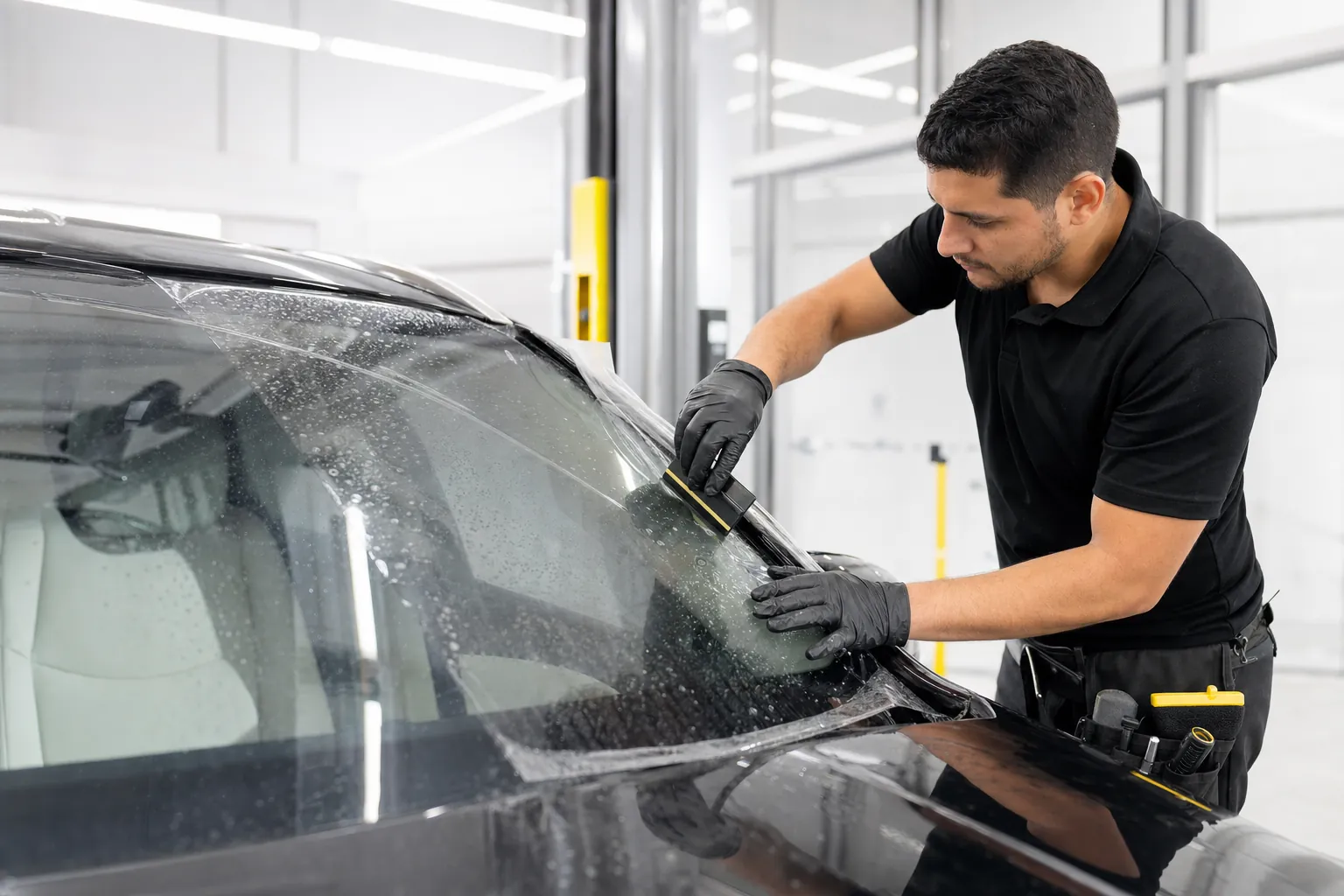
For a windshield that has been confirmed sound and compatible, a windshield-specific protective film may be a future prevention conversation. The film is intended to be a replaceable exterior layer for ordinary road exposure. It is not a fix for delamination, a crack, or a visibility problem, and it cannot guarantee that every impact will leave glass untouched. Keeping that distinction clear protects both the driver and the value of the recommendation.
Where Impact Defense fits.
Impact Defense USA works with authorized installers to discuss windshield-specific protective film for compatible, sound glass. The right starting point is the glass currently on the vehicle. If it needs repair or replacement, handle that condition first. If an assessment confirms that the windshield is sound, an installer can explain protection options, optical considerations, care, and realistic limits for your driving pattern.
Drivers who routinely face highways, rural roads, construction traffic, or other debris-prone conditions can use the windshield protection film overview to understand the product category. When the vehicle is ready for that discussion, the authorized installer locator is the next place to start. A responsible conversation begins with a clear view, not a promise to hide an existing problem.
Frequently asked questions
What is windshield delamination?
Windshield delamination is separation between the layers of laminated glass and its plastic interlayer. It may look like a cloudy, milky, or bubbling band, often near an edge. An auto-glass professional should assess the exact condition because residue, trim, and surface damage can look similar at first.
Can windshield delamination be repaired?
Delamination is not the same as a contained chip or crack. A repair professional can assess the windshield, but a resin repair is not a way to restore a separated laminate bond. The appropriate next step depends on the condition, location, visibility effect, and vehicle.
Is a cloudy windshield edge always delamination?
No. Dirt, moisture, a damaged molding, interior haze, tint, or an issue around the edge can resemble delamination. Clean the glass carefully and have a qualified professional identify the cause rather than assuming it from a photo.
Will windshield protection film fix delamination?
No. Protective film is not a repair for delaminated, cracked, or otherwise compromised glass. It is a preventive layer worth discussing only after a professional confirms that the windshield is sound and compatible.
Related posts
 When Is a Windshield Crack Too Big to Repair?Learn why crack size is only one part of a windshield repair decision, what else matters, and when to arrange a qualified assessment.