
Windshield Protection
How to Prevent Windshield Chips: A Practical Guide
Learn how to prevent windshield chips with safer driving habits, glass care, realistic expectations, and when a protective film may fit.
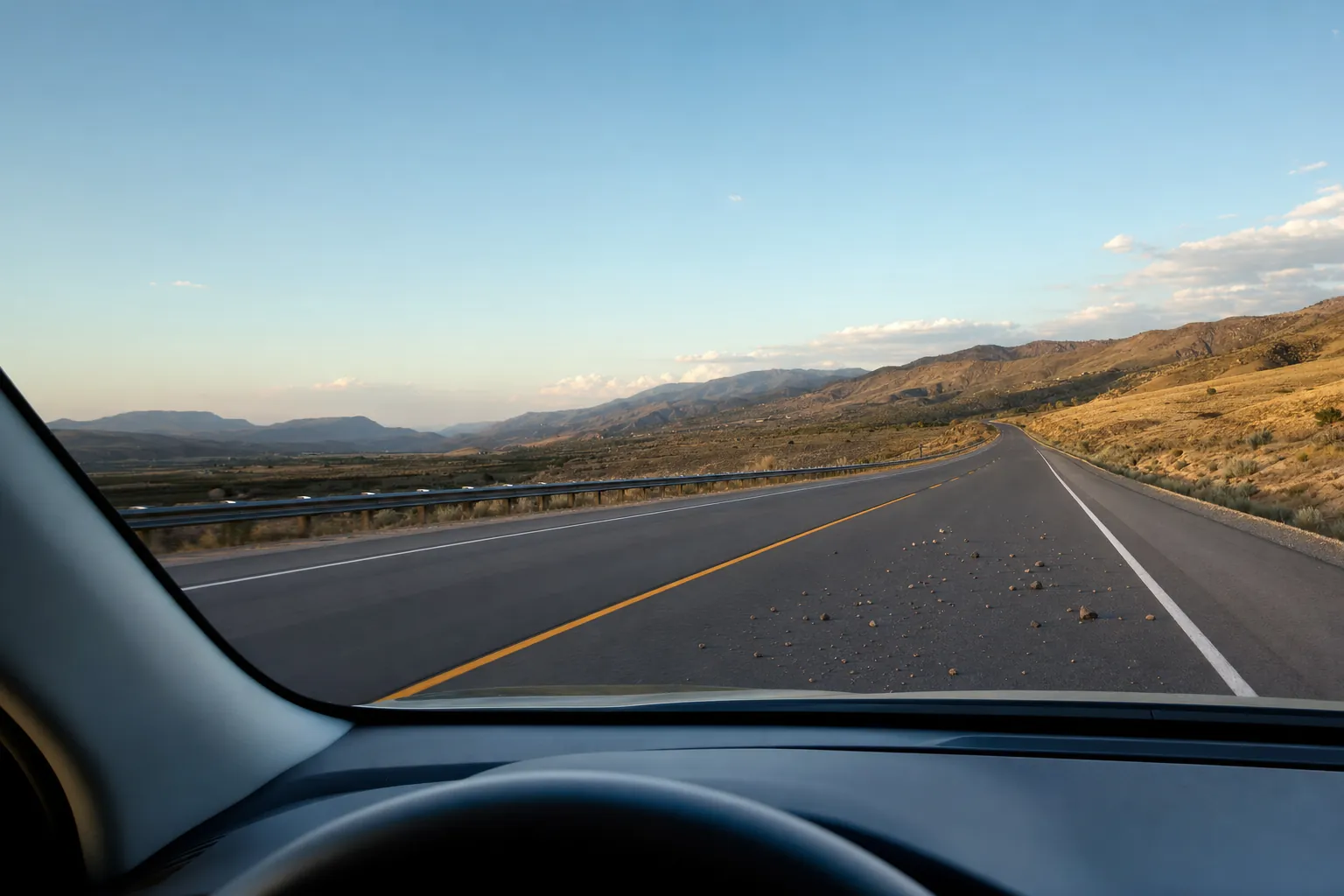
A windshield chip can feel random, especially when it appears minutes after a replacement or on a route you drive every day. Some impacts truly are unavoidable. A small stone can leave another vehicle’s tire, hit at the wrong angle, and reach the glass before you have time to react. That does not mean prevention is pointless. It means a useful plan focuses on the exposures you can reduce, the maintenance you can control, and the moments when a small issue deserves quick professional attention.
The goal is not to promise an indestructible windshield. It is to preserve a clear, sound piece of glass for as long as practical. That means creating more space around debris-heavy traffic, keeping the wiping surface clean, avoiding sudden stress on already-damaged glass, and understanding when an added protective layer may make sense. It also means knowing that a chip is not something to ignore simply because the vehicle remains drivable.
This guide separates practical habits from exaggerated claims. Use it to make better decisions on ordinary drives, long highway trips, construction routes, winter roads, and any commute where original glass matters.
Start with the road conditions that create the most exposure.
Windshield damage often starts with loose material. Gravel, broken pavement, construction debris, material dropped from a truck, and sand or salt left after weather events can become airborne when a tire catches it. The risk changes from mile to mile. A quiet neighborhood street, a newly resurfaced highway, a work zone, and a rural route behind a loaded truck do not create the same exposure.
Pay attention to the conditions that repeat in your driving routine. If you regularly travel at highway speed behind dump trucks, through active construction, on gravel shoulders, or in areas with winter road treatment, your windshield is simply in a higher-exposure environment. The site’s road debris research explains why loose material is a real driving concern, not just an appearance issue. That does not mean every vehicle needs the same solution. It does mean the right prevention plan starts with an honest look at where the vehicle goes.
When you see loose gravel, a fresh chip seal, an unpaved access road, or a vehicle shedding material, slow down when it is safe and create room. A calm response is more useful than abrupt braking or weaving. You cannot control every object on the road, but you can reduce how often your windshield stays in the highest-risk zone.

Give trucks, trailers, and debris-heavy vehicles more room.
Following distance is one of the simplest decisions a driver can make. A vehicle directly behind a truck, trailer, landscaping rig, or work vehicle reaches the same loose material almost immediately after it is thrown backward. Adding distance gives debris more opportunity to fall, bounce away, or become visible before your vehicle reaches it. It is not a guarantee, and it is not an invitation to drive unpredictably. It is a practical margin when traffic and road conditions allow.
Watch for visual clues. An uncovered load, loose aggregate in a trailer, mud-caked tires, a construction convoy, or a vehicle using an unpaved shoulder may deserve extra space. The same goes for traffic where several vehicles are traveling close together over damaged pavement. If you cannot change lanes safely, reduce speed gradually and avoid crowding the vehicle ahead. A few additional seconds can be more useful than a dramatic maneuver.
Keep the habit balanced with normal road rules. Safe following distance is not about driving so far back that other motorists must brake around you. It is about leaving a reasonable buffer, staying alert, and recognizing that the best position changes as traffic, weather, speed, and sightlines change.
Keep wipers and washer fluid working as a system.
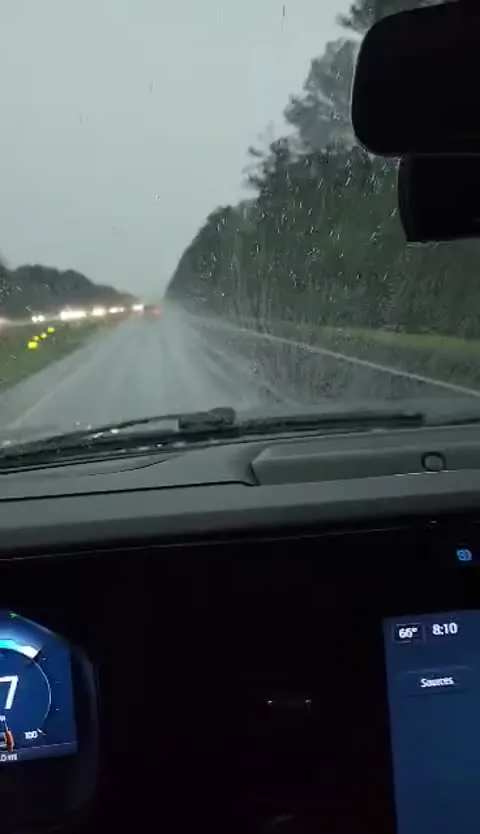
Not every windshield problem begins with a flying rock. Fine sand, dust, and road grit can sit on the glass, then get dragged through the wiper path. That can create scratches, especially when the windshield is dry or blades are worn. Nissan has documented that contaminated wipers and dry wiping can leave surface scratches that may become a starting point for cracks under vibration, wind pressure, or temperature stress. The practical lesson is not complicated: do not ask dirty wiper blades to act like a cleaning tool.
Use washer fluid before running wipers across dusty or gritty glass. Check blades regularly for tearing, hardening, uneven edges, or chatter. Replace them when they stop clearing the windshield cleanly. If a blade begins leaving a consistent streak or scraping sound, inspect both the rubber edge and the glass instead of repeatedly running it over the same surface. This is inexpensive maintenance that protects visibility as well as the exterior surface.
Use a clean, soft cloth for hand cleaning, not a dry paper towel, abrasive pad, razor, or household tool that was never meant for automotive glass. In winter, use a plastic ice scraper designed for the job and let the vehicle warm gradually. Cleaner glass makes it easier to spot a new chip early, before it becomes a larger decision.
Avoid turning a small defect into a larger crack.
A chip changes the conversation. Once glass has been damaged, temperature swings, vibration, potholes, and normal driving stress can matter more. Avoid pouring hot or boiling water on a frozen windshield. The sudden temperature change can add stress to glass that is already cold or compromised. Use an appropriate de-icer, a plastic scraper, and the vehicle’s defroster gradually instead. If a crack or chip is already present, treat abrupt heating and harsh scraping as extra reasons to get it checked rather than as a shortcut.
Drive gently until you can arrange an assessment. That does not mean normal driving always needs to stop, but it does mean avoiding unnecessary potholes, door slams, and rough-road shortcuts when a chip has appeared. Keep the area clean and do not attempt an aggressive do-it-yourself fix if the damage is spreading, in the driver’s view, close to an edge, or accompanied by a visibility concern. The correct repair decision depends on the location, depth, contamination, vehicle requirements, and the glass professional’s judgment.
A quick assessment is usually more valuable than waiting to see whether it gets worse. A qualified shop can tell you whether repair is appropriate or whether replacement is needed. Modern windshields may also have cameras, sensors, heating elements, and calibration requirements, so a professional conversation should focus on the specific vehicle, not a generic online rule.
Park and route with ordinary prevention in mind.
Parking cannot eliminate chips from driving, but it can reduce a few avoidable sources of stress. When possible, avoid parking under active construction, directly beside gravel piles, or where lawn equipment and loose material are being used. In freezing weather, a covered space can reduce ice buildup and the temptation to rush through a harsh defrosting routine. If a vehicle is parked outdoors, keep a safe scraper and suitable washer fluid available so you are not improvising with whatever is nearby.
Route choices can matter as well. A detour is not always worthwhile, but if one regular path is under active construction or consistently covered in loose debris, consider whether a cleaner alternative makes sense during the worst period. Drivers who tow, travel rural roads, commute long distances, or work near quarries and job sites should think in terms of repeated exposure rather than a one-time incident. Prevention works best when it is part of the normal driving routine.
It also helps to keep expectations realistic. A clean route can still have loose material. A covered parking space does not protect the windshield on the highway. Good habits lower avoidable risk. They do not create a risk-free driving environment.
Where windshield protection film can fit.
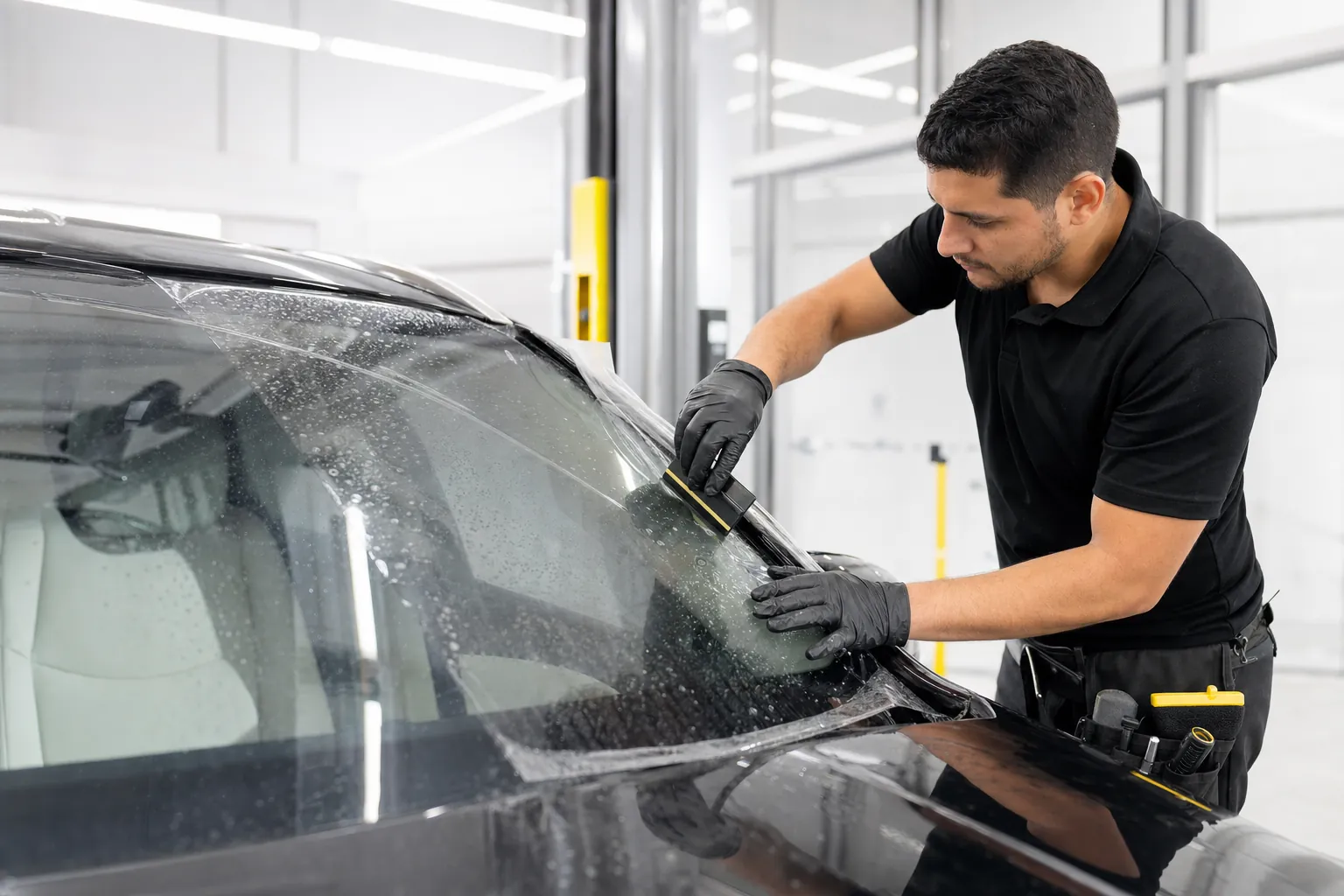
For drivers with consistent road exposure, a windshield-specific protective film may be worth discussing. Impact Defense is a professionally installed exterior layer for compatible, sound windshield glass. Its role is to add a replaceable surface between the original glass and ordinary road exposure. It is not a repair for damaged glass, a substitute for safer driving, or a promise that no impact can ever create a chip or crack.
The decision should begin with the windshield you have. An installer should inspect the condition of the glass, ask how and where the vehicle is driven, and explain the proposed film’s care requirements. Optical clarity belongs at the center of the conversation because a windshield is a primary viewing surface. If the glass already has active chips, cracks, serious scratches, or other concerns, those should be addressed first.
The windshield protection film overview explains the product category, while the guide to what windshield film can and cannot do covers the limits in more detail. The right recommendation is specific to the vehicle and exposure. It should never be a blanket claim that one film is right for every driver.
Build a simple windshield-care routine.
Most prevention is ordinary, repeatable care. Before a long trip, check the wiper blades, washer fluid, and windshield for new marks. Keep following distance when road conditions become debris-heavy. Clean grit before using wipers. Avoid sudden hot-water defrosting. When a chip appears, plan a professional assessment instead of treating it as a cosmetic detail. These steps are simple because they need to be practical enough to repeat.
A good routine is also a visibility routine. A clear windshield makes night driving, rain, low sun, and changing weather easier to manage. If glare, haze, wiper streaks, or a damaged area makes the view less clear, do not wait for the next scheduled service by default. The windshield is not just exterior trim. It is an important part of the driving environment.
For vehicles that see a lot of highway miles, construction routes, rural roads, or frequent travel behind work traffic, write down the conditions that recur. That note gives an installer a much better starting point than asking whether protection is “good” in the abstract. It turns the conversation toward the actual vehicle, actual route, and actual tradeoffs.
Get a vehicle-specific answer before adding protection.
Impact Defense USA helps drivers start a practical conversation about preserving sound original windshield glass. If regular road debris is part of your driving life, an authorized installer can assess your windshield and explain whether an exterior protective layer is a reasonable fit. Bring the vehicle year, make, model, windshield history, current glass condition, and the roads you drive most often.
Use the authorized installer locator to find a professional near you. The goal is a clear recommendation, honest limits, and a plan that protects your view as carefully as it protects the glass.
Frequently asked questions
Can you prevent every windshield chip?
No. Road debris, speed, impact angle, existing glass condition, and weather are outside a driver’s complete control. The practical goal is to reduce avoidable exposure, keep the windshield in good condition, and respond quickly when damage appears.
Does following farther back help prevent windshield chips?
More following distance can give loose gravel and debris more time to fall or settle before your vehicle reaches it. It cannot remove the risk completely, especially around trucks, construction areas, or high-speed traffic, but it is a sensible habit when conditions allow.
Can windshield protection film stop every rock chip?
No. A windshield-specific protective film is an added exterior layer for compatible, sound glass. It may help with ordinary road exposure, but it is not a guarantee against every chip, crack, impact, or need for glass service.
What should I do after a windshield chip?
Arrange a prompt assessment by a qualified auto-glass professional. Avoid treating a chip as cosmetic, especially if it is in the driver’s view, spreading, or near an edge. A professional can determine whether repair or replacement is appropriate for the vehicle and damage.
Related posts
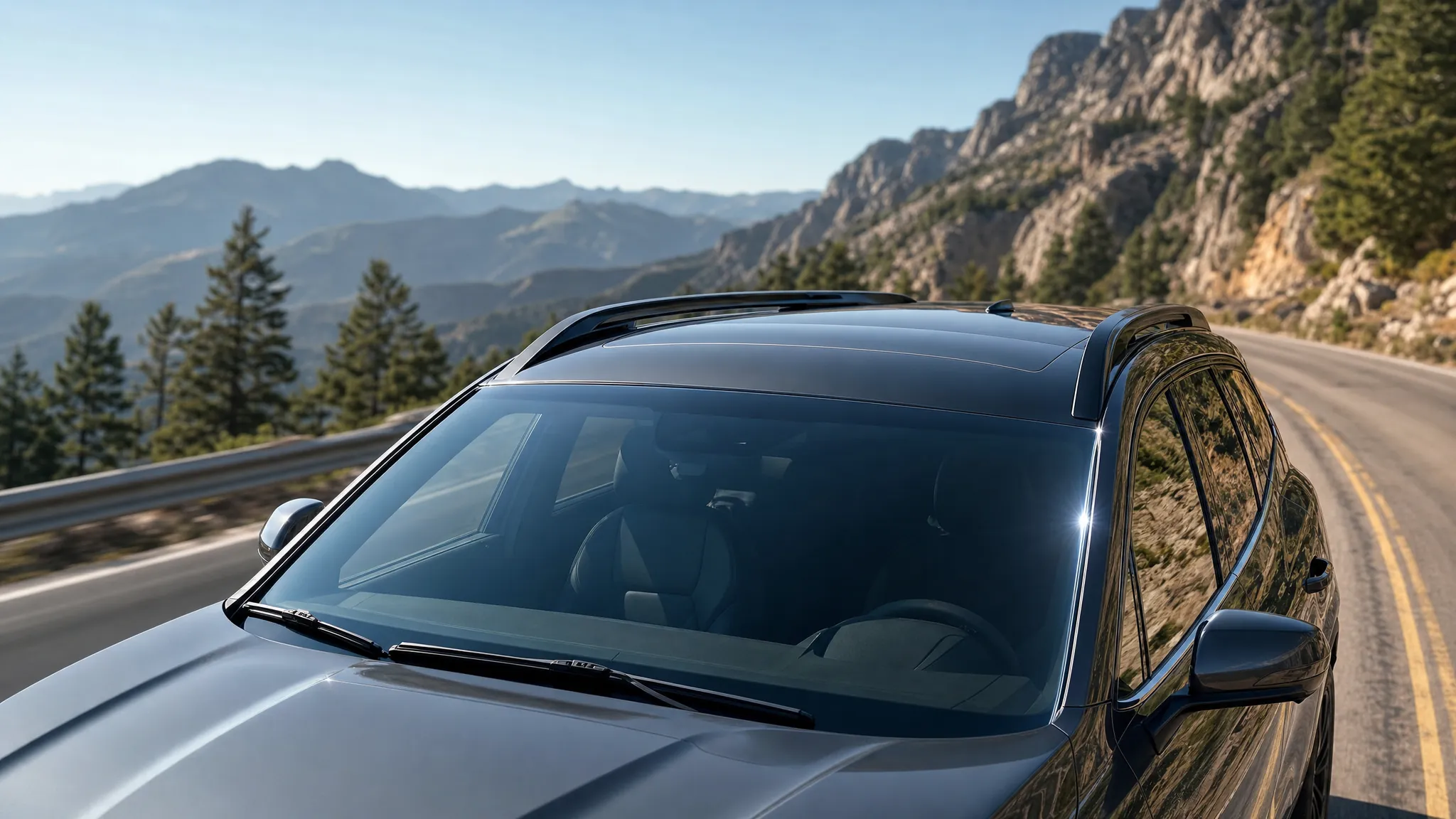 8 min readWhat Is Windshield PPF? How It Works and What It Can ProtectWindshield PPF is a clear, windshield-specific protective film. Learn how it differs from body PPF, where it may help, and its limits.
 14 min readDoes Windshield Protection Film Work? Benefits and LimitsDoes windshield protection film work against everyday road debris and wiper wear? See where it may help, its limits, and when to consult an installer.12 min readWindshield Protection Film Care: Keep Your View ClearWindshield protection film care made simple: washing, wipers, weather, warning signs, and when to ask an installer for an inspection.