
Windshield Protection
When Is a Windshield Crack Too Big to Repair?
Learn why crack size is only one part of a windshield repair decision, what else matters, and when to arrange a qualified assessment.

A windshield crack can make a simple question feel urgent: can this be repaired, or is replacement more likely? There is no responsible one-size-fits-all measurement. A professional looks at the size and shape of the break, but also where it sits, whether it is spreading, what is in the driver’s view, how clean the damage is, and what the vehicle requires.
That does not mean you have to arrive at an appointment with no idea what matters. It means the best first move is to document what you see, avoid making it worse, and arrange a qualified assessment promptly. This guide helps you understand the decision without promising that an online rule can replace an inspection.
Impact Defense USA focuses on preserving sound original windshield glass. A crack changes that conversation. Protective film is not a repair method and should never be placed over damaged glass as a shortcut. The immediate priority is deciding what the glass needs now.
Size matters, but it does not decide the repair by itself.
Many drivers search for a single cutoff, such as a coin size or a certain number of inches. Those rules can be useful as rough conversation starters, but they are not a diagnosis. Repair capabilities vary, and a crack that looks small can still be in a poor location or have features that make a repair inappropriate. Conversely, the length alone does not tell you how old the damage is, whether debris has entered it, or how the glass is behaving around the break.
AAA explains in its windshield repair and replacement guidance that minor star or bull's-eye chips and small cracks may be repairable, while the size and location of a break determine whether repair is suitable. Its guidance also notes that some states limit repair where distortion could affect the driver's direct line of sight. That is why a shop should inspect, rather than simply quote a repair from a photo and a measurement.
Use the measurement as information, not a verdict. Take a clear photo from inside and outside the vehicle when it is safe to do so. Note whether the mark is a chip, a long line, a branching break, or several separate impacts. Share that context with an auto-glass professional, then let their inspection determine whether repair or replacement is appropriate.
Location can make a smaller crack more serious.
Where the damage sits matters as much as how far it runs. A crack in the driver's primary viewing area can raise a visibility concern even when it is not especially long. Repairs can improve a break, but they do not make every visual distortion disappear. The goal is a safe, clear view, not merely a smaller visible mark.
Damage near an edge also deserves quick attention. AAA says auto-glass specialists commonly recommend replacement when a crack extends from an edge because those cracks can spread readily and repair may be less effective. Edge damage can also affect the seal area around the glass. A qualified professional can determine what that means for your specific vehicle instead of applying a broad internet rule.
Modern vehicles add another reason to avoid assumptions. A windshield may work with cameras, sensors, heating elements, a heads-up display, or vehicle-specific calibration procedures. The right service path depends on the vehicle and the damage, so mention those features when you schedule an appointment.
Spreading, branching, and contamination change the picture.
A fresh, contained chip is different from a crack that has traveled, split into branches, or collected dirt and moisture. Temperature changes, vibration, rough roads, and ordinary driving can all give existing damage more opportunity to grow. That is why waiting for a crack to become obvious is rarely a useful strategy.
Do not try to force the outcome with boiling water, abrasive scraping, or an improvised household fix. Avoid slamming doors and choose smoother routes when practical until a professional can look at the glass. These steps are not a repair. They simply reduce avoidable stress while you arrange an assessment.
For prevention before a chip appears, the site's windshield-chip prevention guide covers following distance, wiper care, weather, and high-debris road conditions. Once you have a crack, though, the most helpful next step is professional judgment, not a promise that routine care will reverse existing damage.
Put visibility first.
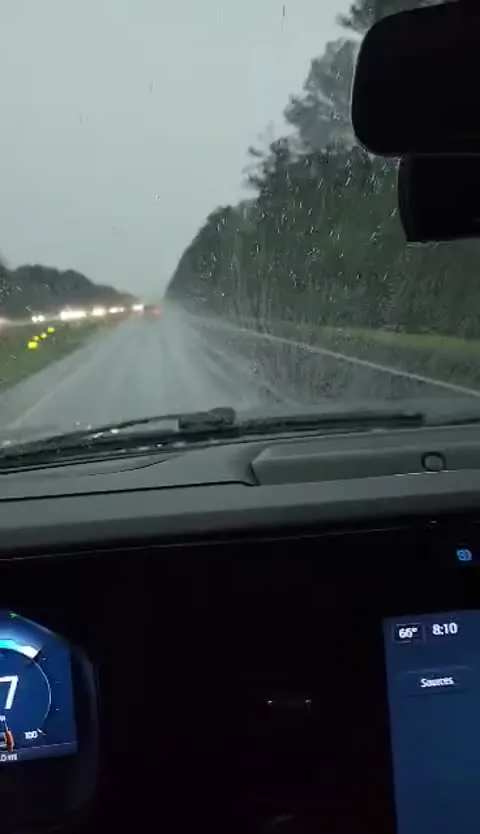
A windshield is part of the driving environment, not just exterior trim. If a crack crosses your line of sight, creates glare, catches headlights, or makes it harder to read the road in rain or low sun, do not minimize it. Explain exactly what you are seeing to the glass professional. They can assess the damage and the vehicle's requirements in person.
It is also worth checking the rules that apply where you drive. Requirements can vary by state and circumstance, and an article cannot determine whether your vehicle is acceptable for the road. If you are uncertain, ask a qualified local glass business or the relevant state authority rather than relying on a generic claim.
AAA describes the windshield as a safety device that contributes to visibility and, on many vehicles, other vehicle functions in its consumer overview of windshield repair and replacement. That is a useful reason to treat damage promptly and choose a service provider prepared to discuss the complete vehicle, not only the surface mark.
What to do while you arrange an assessment.
Start by taking a few photos and making a simple note of when the damage appeared. If you remember the road event, include that too. Keep the windshield clean enough to see the break clearly, but use gentle products and avoid pressing, scraping, or probing at the damaged area. If you have a warranty or insurance coverage, review the provider's instructions before authorizing work.
When you call an auto-glass shop, give them the vehicle year, make, model, visible damage location, and any known windshield technology. Ask whether they need to see the vehicle before quoting a repair or replacement. Ask what the evaluation covers, whether calibration may be relevant, and what their process is if the glass is not a repair candidate. Clear questions make it easier to compare providers without pretending you need to choose the technical remedy yourself.
Do not postpone an appointment simply because the crack seems stable. It may remain manageable, or it may change with the next temperature swing or rough stretch of road. Prompt assessment gives you better information while more options may still be available.
Repair, replacement, and prevention are different conversations.
Repair addresses existing, suitable damage. Replacement addresses a windshield that cannot reasonably be repaired or needs to be restored for a vehicle-specific reason. Prevention is what you consider once the glass is sound again. Keeping those conversations separate helps avoid costly confusion.
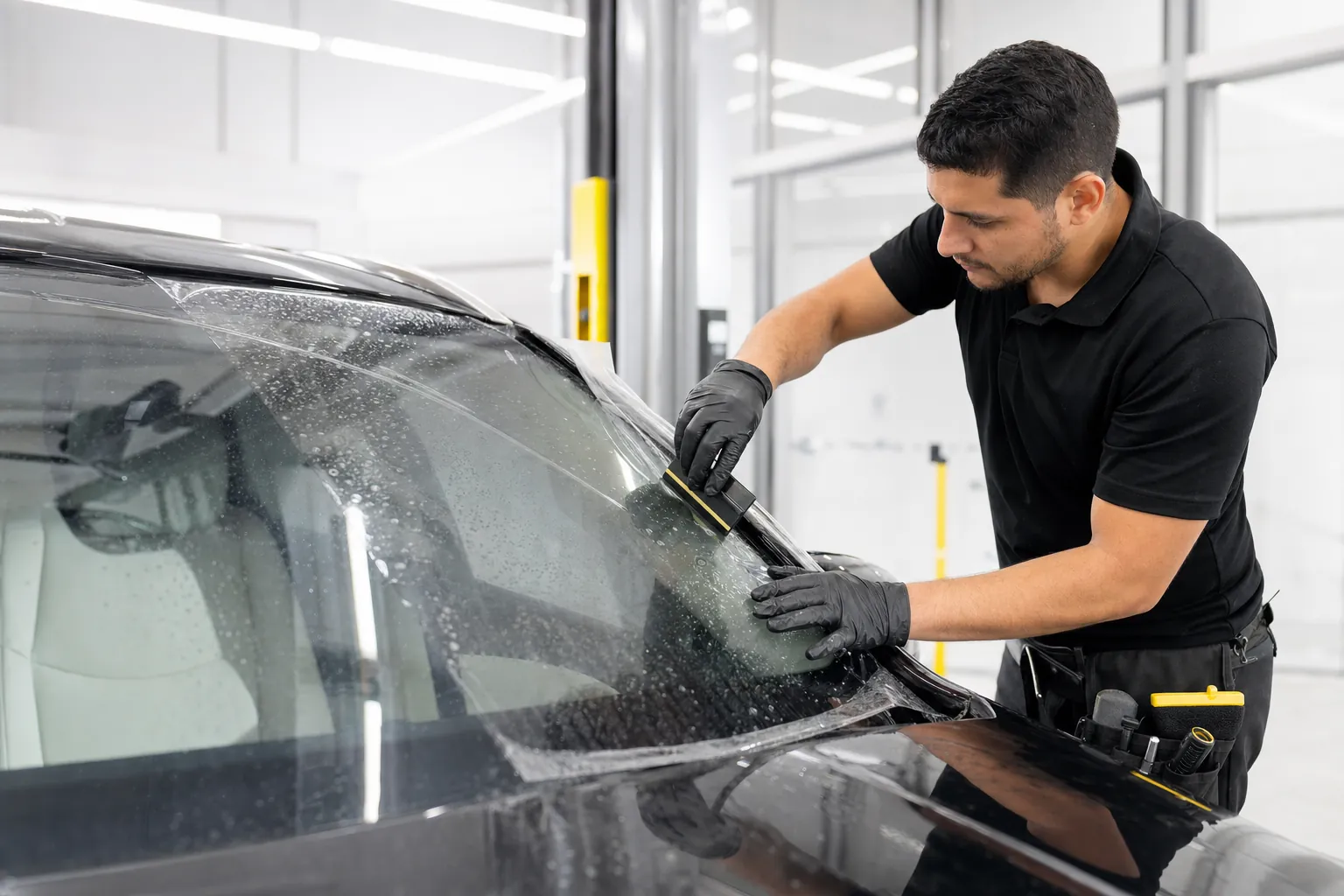
A windshield-specific protective film is an added exterior layer for compatible, sound glass. It may be worth discussing for drivers who face regular highway, construction, gravel, or work-route exposure. It is not a fix for a crack, a substitute for auto-glass service, or a guarantee against every future impact. The site's guide to the benefits and limits of windshield protection film explains where an added layer may fit after the right glass decision has been made.
That order matters. An authorized installer should ask about glass condition, vehicle history, and driving conditions before recommending film. If the windshield has active cracks, chips, serious scratches, or visibility concerns, those deserve appropriate glass service first.
How Impact Defense USA can help after the glass decision.
Once a qualified professional has confirmed that the windshield is sound and appropriate for protection, Impact Defense USA can help you start a vehicle-specific conversation with an authorized installer. Bring the vehicle details, the type of roads you travel, any prior windshield history, and the questions you want answered about clarity, care, and limitations.
Use the authorized installer locator to find a professional near you. The goal is a clear recommendation that respects the windshield as a critical viewing surface, not a blanket sales promise. If a crack is present now, begin with an auto-glass assessment. If the glass is sound afterward, you can decide whether an added exterior layer makes sense for the miles ahead.
Frequently asked questions
Is there one crack length that always means replacement?
No. Crack length is only one part of the decision. The damage location, whether it reaches an edge, the number of breaks, contamination, the driver’s view, the windshield’s condition, and the vehicle’s equipment can all change what a qualified glass professional recommends.
Can I drive with a cracked windshield while I wait for an appointment?
A damaged windshield deserves prompt professional guidance. Visibility, local requirements, the location of the damage, and whether the crack is spreading all matter. If the damage obstructs your view, is growing, or creates any safety concern, do not treat an online article as clearance to keep driving.
Can windshield protection film repair a crack?
No. Windshield protection film is an added exterior layer for compatible, sound glass. It is not a repair for a chip or crack and should only be discussed after an appropriate glass assessment.
Why do edge cracks matter?
Cracks near or reaching the edge can spread more easily and may affect the windshield’s overall condition. AAA notes that glass specialists commonly recommend replacement when a crack extends from an edge, but the exact decision should be made for the vehicle and damage in front of the professional.
Related posts
 Does Windshield Protection Film Work? Benefits and LimitsDoes windshield protection film work against everyday road debris and wiper wear? See where it may help, its limits, and when to consult an installer.Windshield Protection Film Care: Keep Your View ClearWindshield protection film care made simple: washing, wipers, weather, warning signs, and when to ask an installer for an inspection.
 How to Prevent Windshield Chips: A Practical GuideLearn how to prevent windshield chips with safer driving habits, glass care, realistic expectations, and when a protective film may fit.