Exterior windshield protection
Windshield PPF.
Give compatible original glass a clear exterior layer designed for the road debris, weather and surface wear that meet your windshield first.
Find an authorized installer →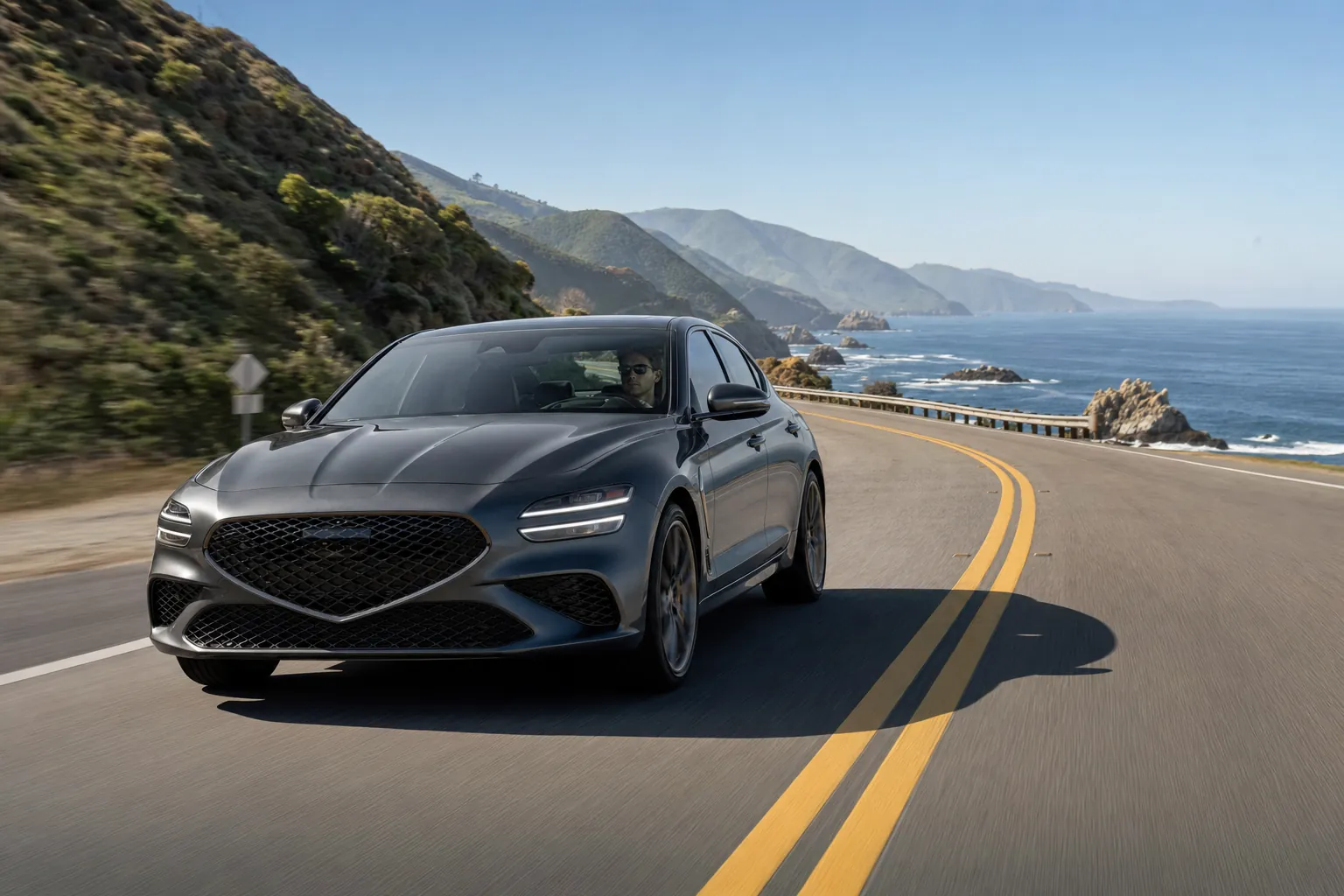
A different kind of PPF
Windshield PPF is built around the view through the glass.
Paint protection film is familiar to many vehicle owners as a way to help shield painted panels from everyday marks and road exposure. Windshield PPF is a different conversation because the windshield is not a body panel. It is the glass you look through in traffic, rain, low sun and changing road conditions.
Impact Defense is professionally installed on the exterior of compatible windshield glass. The goal is a clear, durable sacrificial layer that helps take the first contact from ordinary debris and surface wear before it reaches the original windshield underneath.
Protection without promises
Help with the ordinary exposure that adds up.
Road grit, loose material near construction, spray from the vehicle ahead and repeated wiper use can all affect a windshield over time. Sometimes the result is an obvious chip. Often, it is gradual pitting or abrasion that becomes more noticeable in rain, at night or when driving into the sun.
Windshield PPF cannot prevent every crack or hard impact. It gives drivers who value their original glass another layer to consider before that everyday exposure becomes a larger repair or replacement decision.
Where protection begins
Put a replaceable layer in the line of fire.
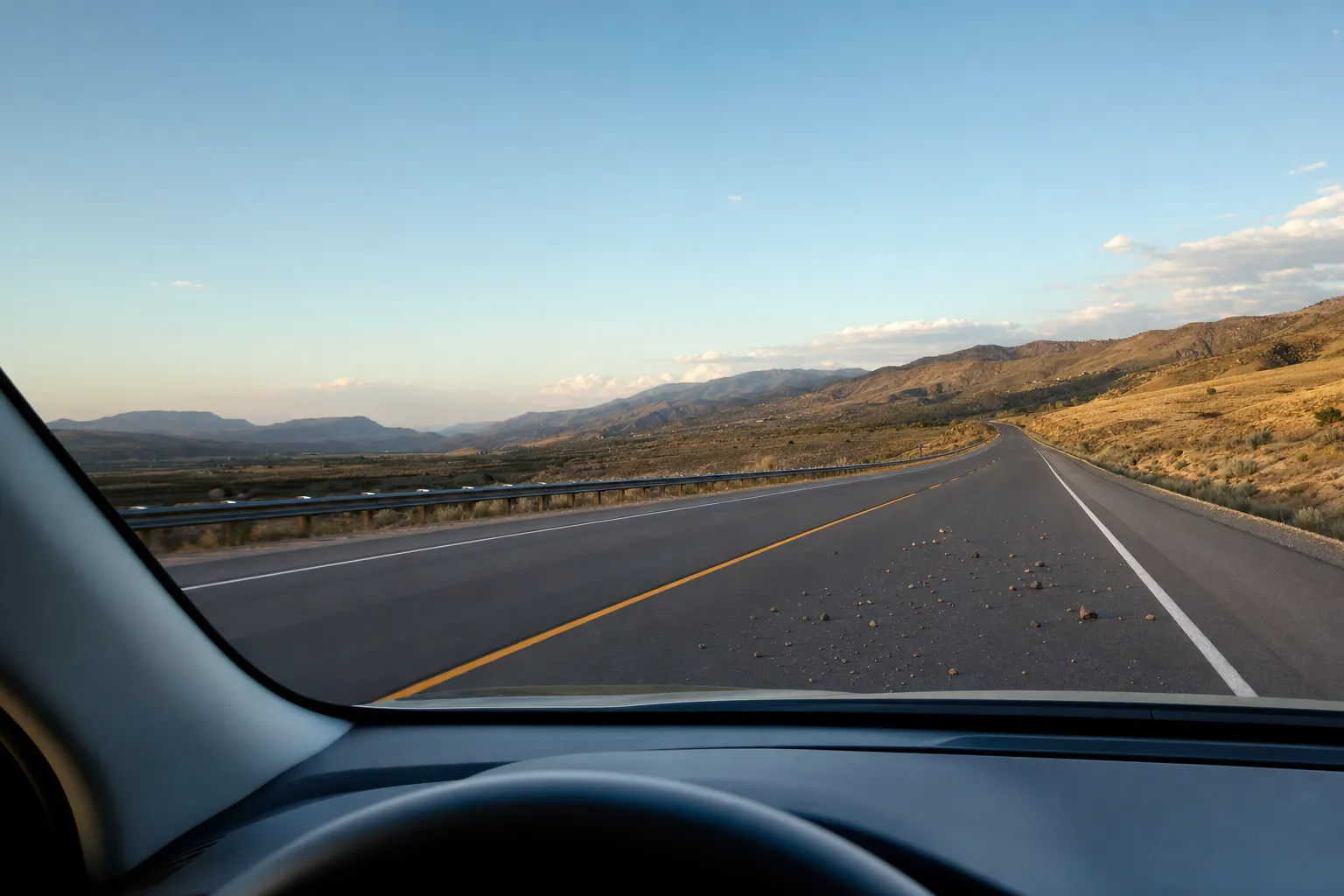
The windshield sits at the front of every drive. Highway miles, rough shoulders, gravel access roads and daily traffic all bring opportunities for small debris to meet the glass. A clear exterior film is designed to be the first surface those routine conditions encounter.
That makes windshield PPF worth discussing for a newer vehicle, a well-kept daily driver or any car, truck, SUV or EV where preserving the windshield you already know matters. The right fit depends on your glass, the roads you drive and the priorities you have for the vehicle.
See how protection helps with rocks and debris →Original glass matters
Modern windshields can be more than a pane of glass.
Many current vehicles place cameras, sensors and driver-assistance equipment around the windshield area. Replacing damaged glass may involve vehicle-specific procedures after the new windshield is in place. That does not mean a protective film removes the possibility of damage. It does mean preserving sound original glass can be a sensible goal.
Start with an honest assessment. If a windshield is already chipped, cracked, severely pitted or affecting visibility, a qualified glass professional should evaluate it before protection is considered.
Clarity comes first
The best film decision still starts with the road ahead.
Visibility is non-negotiable. Impact Defense CLEAR Series is designed for optical clarity and everyday exterior protection. Other available options may involve heat-management or appearance considerations, depending on the glass location, the vehicle and the rules where you drive.
An authorized installer can inspect compatible glass, explain the available film options and help you make a decision without treating every vehicle or windshield the same. That is especially important on a surface you rely on every mile.
Compare Impact Defense film options →When to consider it
Choose protection around the way you actually drive.
Windshield PPF can make practical sense when you regularly drive highways, follow trucks, travel through active construction zones or use roads where loose material is common. It can also be worth a conversation when you have recently purchased a vehicle, plan to keep it for years or simply care about maintaining a clean, clear windshield.
Vehicle type matters too. An upright SUV windshield, a large truck windshield, an expansive EV glass surface and a commuter car all face road exposure differently. The same is true for climate, mileage and where the vehicle is parked between drives. Drivers who take frequent long-distance trips may have a different exposure pattern than owners whose vehicles mainly stay in town. A professional can help connect the protection choice to your real driving environment instead of a generic sales pitch.
The condition check
Good preparation makes for a better result.
Sound, clean glass is the starting point for a quality installation. The installer should assess the windshield condition, discuss any cameras or sensors nearby, prepare the surface carefully and explain the appropriate care once the film is applied.
That process should also cover realistic expectations. Film is preventive protection, not a repair method. It should never be used to hide a damage issue that needs glass service or to make a promise about impacts that no windshield product can honestly make.
What to expect from professional installation →Care is part of the finish
Keep the protective surface looking as clear as the glass beneath it.
Once installed, windshield PPF should be treated as a protective exterior surface, not ignored until a problem appears. Gentle, non-abrasive cleaning products and a soft cloth or wash mitt help keep dust, road film and seasonal grime from becoming part of the daily view. Aggressive scrapers, harsh abrasives and quick fixes can mark a surface that was installed to stay optically clear.
Wipers and washer fluid are part of the real-world picture too. Keeping the windshield and wiper path clean matters because dry grit can increase friction on any exterior surface. When conditions are especially dusty or dirty, rinse first instead of dragging debris across the glass. Small habits help maintain the clear finish you chose the film for.
Support after the install
Know who to call when the glass or film needs attention.
Good windshield protection does not end when the vehicle leaves the installation bay. An authorized installer is the practical first call if you see deep damage, an edge lifting, a change in visibility or any question about caring for the protective layer. They can assess what they see and explain the appropriate next step instead of leaving you to guess at a windshield issue.
That local relationship also gives you a clearer path when your priorities change. Whether you drive more highway miles than expected, buy another vehicle or want to review the film options for a different glass surface, you can start with a professional who understands the role of the windshield and the product that was installed.
Explore the technology behind Impact Defense →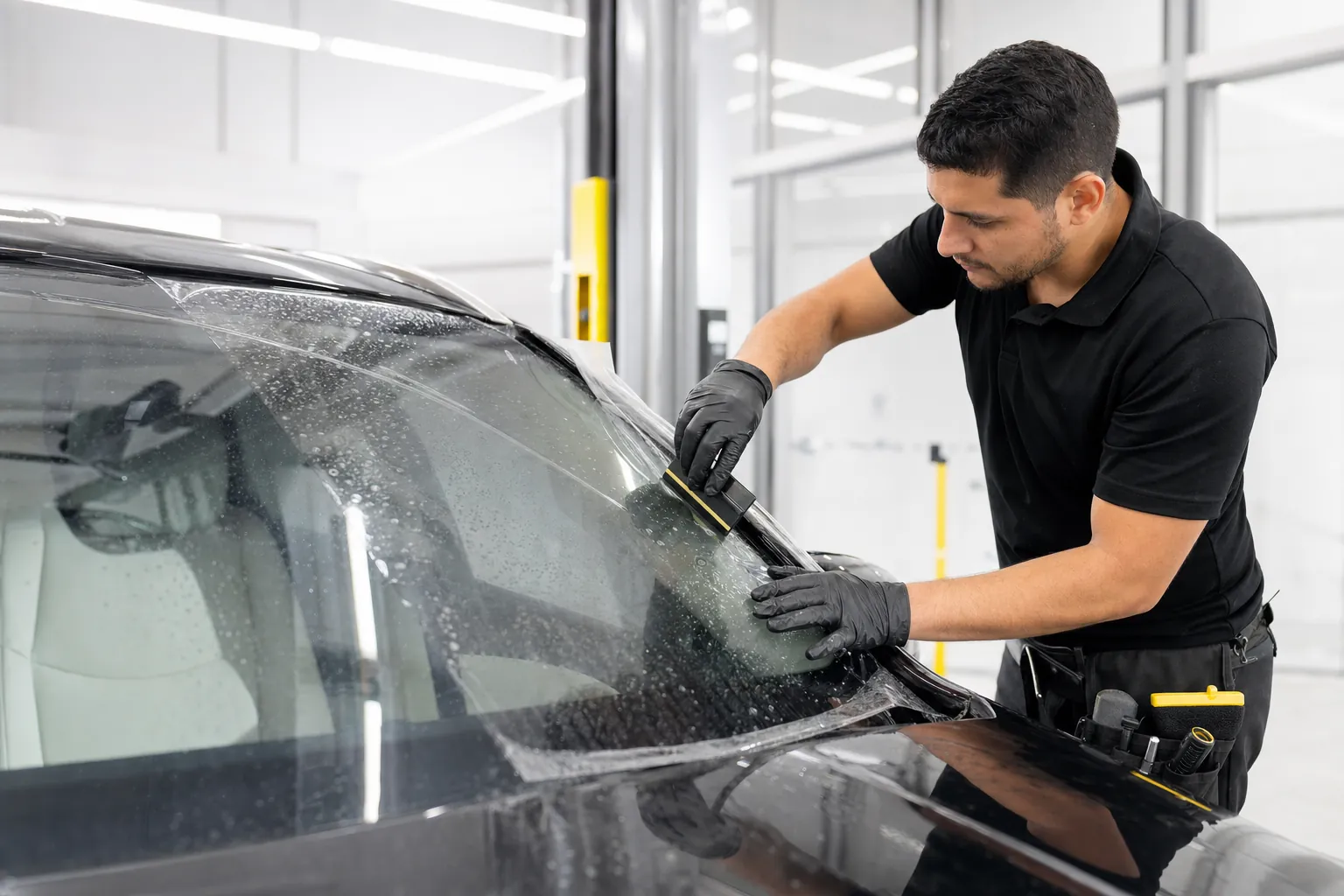
Installed by professionals
The installer matters as much as the film.
Windshield film deserves the attention of a critical viewing surface. An authorized installer can confirm compatibility, prepare the glass and apply the film with care for fit, finish and optical clarity. They can also explain qualifying warranty coverage and give you a local contact if the film or glass needs attention later.
Before booking, share what you drive, the condition of the glass and the routes it sees most often. Those details make the conversation more useful and help determine whether windshield PPF is a sensible addition for your vehicle.
Find windshield protection near you →Windshield PPF questions
What is windshield PPF?
Windshield PPF is a clear protective film made for compatible exterior windshield applications. It is designed to add a sacrificial layer against ordinary road debris, weather and surface wear while keeping optical clarity central to the installation.
Is windshield PPF the same as paint protection film?
Both use protective-film technology, but a windshield is a critical viewing surface. Windshield protection needs to be selected and installed around glass compatibility, optical clarity, care and the way the vehicle is driven.
Can windshield PPF stop every rock chip?
No. An exterior film can help reduce the effect of ordinary road exposure, but it cannot make glass indestructible or prevent every chip, crack or damage event.
Can windshield PPF go over chipped or cracked glass?
A chip, crack, severe pitting or visibility concern should be assessed by a qualified glass professional first. Protection film is preventive, not a substitute for necessary windshield repair or replacement.
How do I choose the right windshield PPF installer?
Ask about the condition and compatibility of your glass, the exact film option, preparation, care, qualifying warranty coverage and the installer’s experience with windshield applications.
Protect the view ahead