
Protection for the ride ahead
Motorcycle windshield protection.
Give compatible motorcycle glass or glazing a clear exterior layer designed for the debris, weather and surface wear that meet the windscreen first.
Find an authorized installer →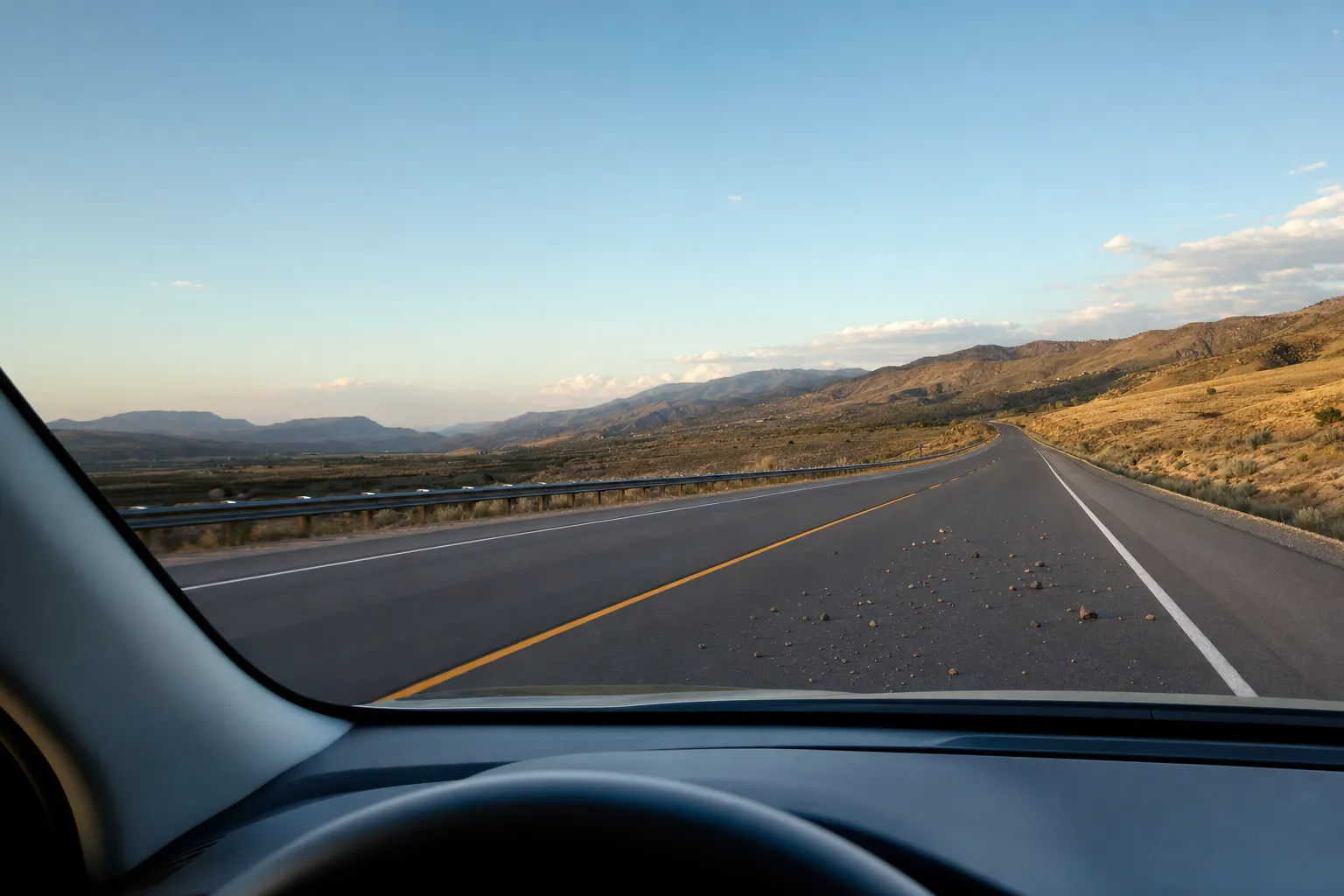
A different kind of driving view
Your windscreen meets the road with nothing in front of it.
On a motorcycle, the windshield or windscreen is exposed to the air, weather and material coming off the road without the buffer of a vehicle body around it. Fine grit, road spray, insects, rain, dust and small debris can all meet the surface on an ordinary ride.
That makes clarity more than a cosmetic concern. A clean, sound windscreen helps keep the road, changing light and traffic easier to see. For riders who depend on their motorcycle for commuting, touring or regular weekend miles, preserving the original surface can be worth discussing before wear becomes the reason for a replacement decision.
Wind protection also affects comfort over a long ride, so the surface deserves the same attention as the rest of the motorcycle. When a windscreen develops fine abrasion or difficult-to-clean haze, a rider may notice it first during sunrise, sunset, rain or night riding. Starting with a sound surface gives an installer a better basis for deciding whether an exterior protective layer is appropriate.
Exterior-first protection
Put a replaceable layer where the exposure begins.
Impact Defense is professionally applied as an exterior protective layer on compatible surfaces. The purpose is practical: give the surface that faces ordinary debris and weather an additional layer before that exposure reaches the windshield or windscreen beneath it.
Compatibility comes first. Motorcycle windscreens vary by material, shape, thickness, mounting and the way air moves across them. An authorized installer should look at the specific motorcycle and surface before advising on an appropriate installation path.
Road miles and back roads
The exposure changes, but the need for a clear view does not.
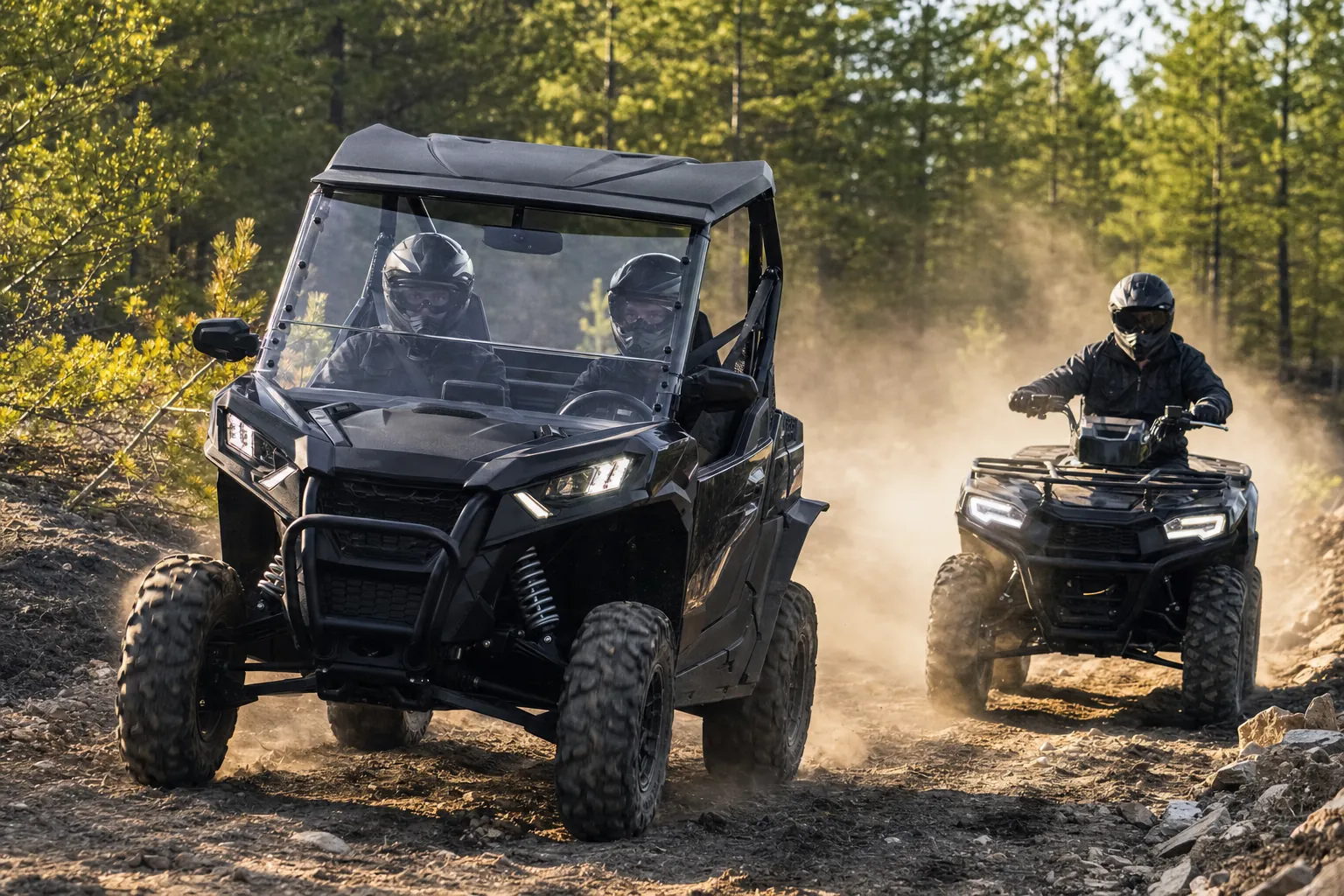
A long highway ride can mean grit thrown up by traffic, road spray behind trucks and material around construction zones. A rural route can add dust, loose gravel and changing pavement. Even a short daily commute may bring rain, insects and repeated cleaning that gradually mark a windshield surface.
Motorcycle riders also tend to notice small changes in a windscreen quickly. Glare, fine scratches and haze can become more apparent when the sun is low or the weather turns. A protective layer is not a substitute for careful riding or proper maintenance, but it can be a sensible option to discuss for a compatible motorcycle that sees regular road exposure.
See how protection helps with road debris →Clarity is the standard
A protected windscreen still needs to disappear from view.
The right windshield protection should support the view, not compete with it. The material, surface preparation and installation all matter because riders look through the windscreen in rain, bright sun, moving shade and at speed.
Impact Defense CLEAR Series is designed around optical clarity and everyday exterior protection. An installer can help determine whether it is appropriate for the motorcycle, explain the expected finish and make sure the conversation starts with the surface the rider actually sees through.
Start with the real surface
Condition and material matter before any film is chosen.
A windshield with a crack, deep scratch, hazing, heavy pitting or a loose mounting point needs attention before preventive protection is considered. Film should never be used to disguise a visibility or safety concern.
The same is true for surfaces with unusual curves, coatings or previous repairs. An authorized installer can inspect the windshield or windscreen, explain what is compatible and recommend the proper next step instead of treating every motorcycle as the same application.
A thoughtful installation
Professional preparation protects the finished result.
A careful installation begins with a clean, sound surface. The installer can assess the windscreen, identify areas that need attention and prepare compatible material with the fit and finish a direct sightline deserves.
That process also gives you a local contact after the work is complete. Ask about recommended cleaning, the products to avoid, inspection guidance and qualifying warranty coverage. A clear path for care is part of choosing a protective surface responsibly.
See what professional installation includes →Care after installation
Keep the outer layer clear without grinding grit across it.
Good care starts with gentle cleaning. Rinse away loose grit when possible, then use soft, non-abrasive materials and products appropriate for the installed protective surface. Harsh scrapers, aggressive abrasives and dry wiping across a dirty windscreen can create marks that no rider wants in the view ahead.
If you notice a deep mark, edge lift, unusual haze or a change in visibility, contact the installer for an inspection. A quick professional look is more useful than guessing at a temporary repair on a critical viewing surface.
Care should also suit the way the motorcycle is stored and used. A bike that spends time outdoors, travels through changing weather or is cleaned frequently after long rides may need a more deliberate routine than one used occasionally in fair conditions. Your installer can explain the simple habits that help preserve the finish without turning routine maintenance into a project.
For the motorcycle you keep
Choose protection around your rides, not a generic promise.
A touring bike that covers interstate miles has different exposure from a commuter, an adventure motorcycle or a bike used mainly on fair-weather weekends. The condition of the existing windscreen, where you ride and how long you plan to keep the motorcycle all belong in the decision.
Impact Defense is designed to help protect compatible exterior glass and glazing from ordinary wear. It cannot prevent every damage event, and it is not the right answer for every surface. The value is in a straightforward assessment and a clear recommendation built around the motorcycle in front of the installer.
Bring useful details to that conversation: the motorcycle model and year, the material of the existing windscreen if you know it, whether it has been replaced before and the kind of roads you ride most. Mention any existing marks, chips or haze rather than assuming they are only cosmetic. Those details help the installer separate a routine protection request from a surface that needs a different kind of service first.
Explore protection by vehicle type →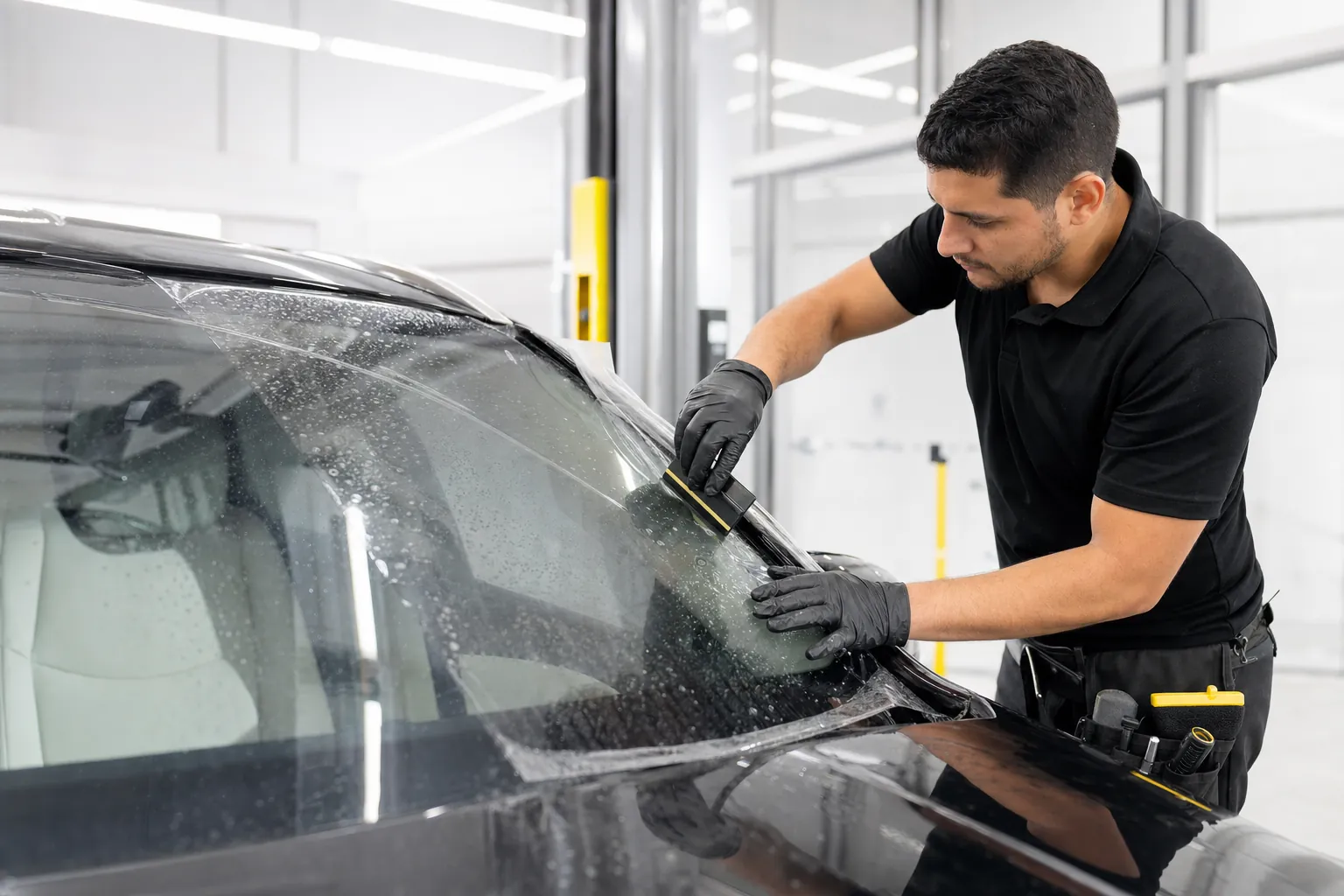
Start with your motorcycle
Find an authorized installer for a vehicle-specific conversation.
Tell the Impact Defense team where you are, what you ride and what you want to protect. Sharing the motorcycle, windshield material if known and the kind of riding you do helps the conversation begin with useful context.
An authorized installer can discuss compatibility, the condition of the surface, available options and proper care. You get a practical next step that is built around preserving a clear, sound windscreen, not a one-size-fits-all product pitch.
Find an installer for your motorcycle →Frequently asked questions
Can windshield protection film be installed on a motorcycle?
Impact Defense may be an option for compatible motorcycle windshield or windscreen materials and shapes. An authorized installer should assess the surface, curvature, condition and intended use before recommending any installation.
Does motorcycle windshield protection prevent every crack or scratch?
No. Protection film is a preventive exterior layer, not a promise that a windshield cannot be damaged. A hard impact, tip-over, existing crack or deeply compromised surface still needs the right professional assessment.
Will a protective film affect my view through the windscreen?
A motorcycle windshield is directly in the rider’s sightline, so optical clarity is central to the decision. A professional should confirm compatibility, prepare the surface carefully and inspect the finished view before the motorcycle leaves the installation area.
What should I do if my motorcycle windshield is already damaged?
A crack, deep scratch, haze, loose mounting point or visibility concern should be assessed before preventive film is considered. The goal is to protect sound, compatible glass or glazing, not cover up a condition that needs repair or replacement.
How do I find an installer for my motorcycle?
Use the Impact Defense installer finder and share your location, motorcycle, windshield material and the kind of riding you do. The team can help connect you with an authorized installer for a vehicle-specific conversation.
Protect the view ahead